
Timber Sleeper retaining wall (plain)
Timber Sleeper retaining wall (painted)
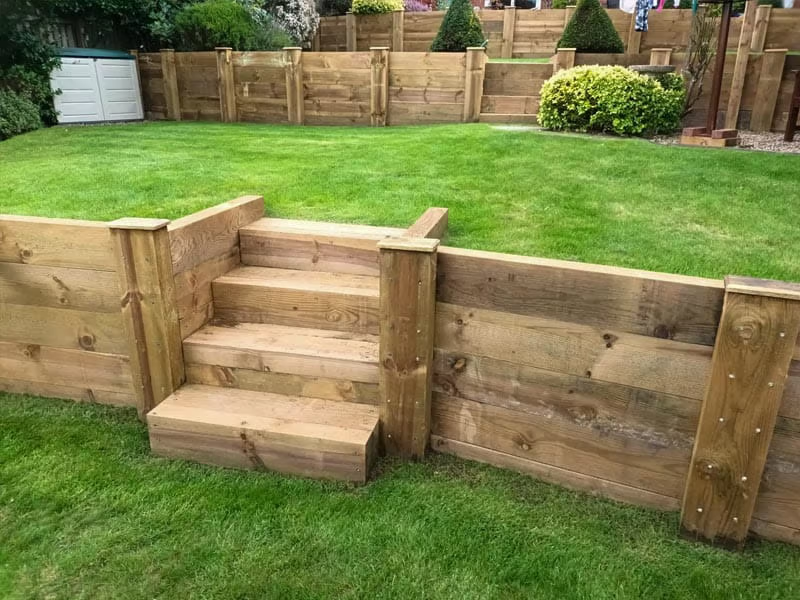
1. Timber Sleeper Retaining Wall (Plain)
A Plain Timber Sleeper retaining wall embraces the raw, organic aesthetic of natural wood. This type relies on the inherent beauty of the timber grain, knots, and natural colour variations to blend seamlessly into gardens, bushland settings, or rural landscapes.
What Are Plain Timber Sleepers?
These are typically rough-sawn or dressed hardwood (e.g., treated pine, oak, or ironbark) that have been left in their natural state. They are not coated with paint or stain, though they are almost always pressure-treated with preservatives (like CCA or ACQ) to resist rot, termites, and fungal decay.
Key Characteristics
Aesthetic: Rustic, earthy, and organic. The wood weathers naturally from its original golden or honey-brown to a distinguished silver-grey patina over time.
Texture: Visible saw marks, splits (checking), and natural imperfections that add character.
Maintenance: Low initial effort (no painting required). However, plain timber requires periodic sealing or oiling to prevent cracking and moisture ingress.
- Best Materials for Retaining Walls in Sydney
Structural Types (Plain)
Cantilever / Post & Sleeper: Vertical timber or steel posts embedded in concrete, with horizontal plain sleepers slotted between them.
Crib Wall: Sleepers interlocked at right angles, filled with gravel—exposing the raw timber ends for a distinct geometric look.
Deadman Anchors: For taller plain timber walls, “deadman” tiebacks (horizontal sleepers buried into the retained soil) are used to resist overturning forces.
Best Applications
Rural fencing and farm track retention.
Naturalistic garden terraces (e.g., cottage gardens, native plantings).
Temporary or low-height walls under 1.2m (due to timber’s lower structural capacity compared to concrete).
Pros & Cons (Plain)
| Pros | Cons |
|---|---|
| ✔ Cost-effective compared to painted or concrete | ✘ Prone to rot if ground contact is constant |
| ✔ No chipping or peeling finish | ✘ Weathers to grey (may be undesirable for some) |
| ✔ Easy to cut and modify on site | ✘ Shorter lifespan (10–25 years vs. 50+ for concrete) |
| ✔ Natural carbon storage (eco-friendly) | ✘ Can splinter or warp over time |
Maintenance Tips
Apply a clear, water-repellent sealer every 2–3 years to reduce moisture absorption.
Use gravel backfill and drainage pipes behind the wall—critical for plain timber to prevent water pooling.
Replace individual rotting sleepers rather than rebuilding the entire wall.
2. Timber Sleeper Retaining Wall (Painted)
A Painted Timber Sleeper retaining wall prioritizes aesthetics, protection, and color customization. The paint layer acts as both a decorative finish and a protective barrier against moisture, UV rays, and insects.
What Are Painted Timber Sleepers?
These are the same treated timber sleepers (usually pine or hardwood) that have been coated with exterior-grade paint, typically oil-based or acrylic. Common colors include charcoal, black, white, heritage green, or dark brown to match fencing or house trim.
Key Characteristics
Aesthetic: Clean, uniform, and modern. Paint hides knots, grain irregularities, and end-grain checking, giving a smooth, monolithic look.
Texture: Smooth to the touch (if sanded before painting) or slightly textured if painted over rough-sawn timber.
Durability: The paint film seals the wood, significantly reducing water penetration and slowing rot.
Structural Types (Painted)
Post & Sleeper (Steel Posts): Most common. Dark-painted sleepers contrast beautifully with galvanized or powder-coated steel posts.
Panel System: Pre-assembled painted timber sleeper panels that bolt onto concrete footings—quick to install.
Stepped Wall: Painted sleepers are ideal for stepped retaining walls on steep slopes, as the uniform color highlights the geometric transitions.
Color Psychology & Landscape Design
| Paint Color | Effect | Best paired with |
|---|---|---|
| Charcoal / Black | Modern, dramatic, recedes into landscape | Green foliage, white pebbles, Corten steel |
| White / Off-white | Crisp, coastal, makes small spaces feel larger | Blue hydrangeas, gravel, sandstone |
| Dark Green | Natural, earthy, blends with trees | Native shrubs, bark mulch |
| Heritage Red / Brown | Rustic, farmhouse style | Lawns, brick pathways |
Application Process (Do’s & Don’ts)
Preparation: Sand rough sleepers lightly. Clean off dust and dirt.
Primer: Use an exterior wood primer (alkyd or acrylic) to block tannins (which bleed through paint).
Paint: Apply two coats of 100% acrylic exterior paint or a self-priming deck & siding paint.
Seal Ends: Crucial step – paint the cut ends and any drilled holes thoroughly, as end-grain absorbs the most water.
Back-brush: If spraying, back-brush immediately to work paint into wood pores.
Pros & Cons (Painted)
| Pros | Cons |
|---|---|
| ✔ Extended lifespan (repainting every 5–7 years protects wood) | ✘ Higher upfront labor & material cost |
| ✔ Custom color to match existing structures | ✘ Peeling or cracking requires sanding & repainting |
| ✔ Hides nail heads, gaps, and timber defects | ✘ Dark colors absorb heat, may cause warping in hot climates |
| ✔ Easier to clean (hose off dirt and mildew) | ✘ Paint hides natural beauty of wood grain |
Longevity Comparison (Plain vs. Painted)
| Condition | Plain Timber Lifespan | Painted Timber Lifespan |
|---|---|---|
| Well-drained sandy soil | 15–20 years | 20–25 years |
| Poorly drained clay soil | 8–12 years | 12–18 years |
| Treated pine (H4 rating) | 10–15 years | 15–20 years |
| Hardwood (e.g., Ironbark) | 20–25 years | 25–30+ years (with repainting) |
Maintenance Schedule for Painted Walls
Every 1–2 years: Inspect for peeling, especially at ground contact points and cut ends. Spot-prime and repaint affected areas.
Every 5–7 years: Full repaint. Lightly sand, apply a bonding primer, then two finish coats.
Annually: Clean with a mild detergent and soft brush to prevent mildew growth (common on light-colored paint in shade).