
Natural Stone Paving
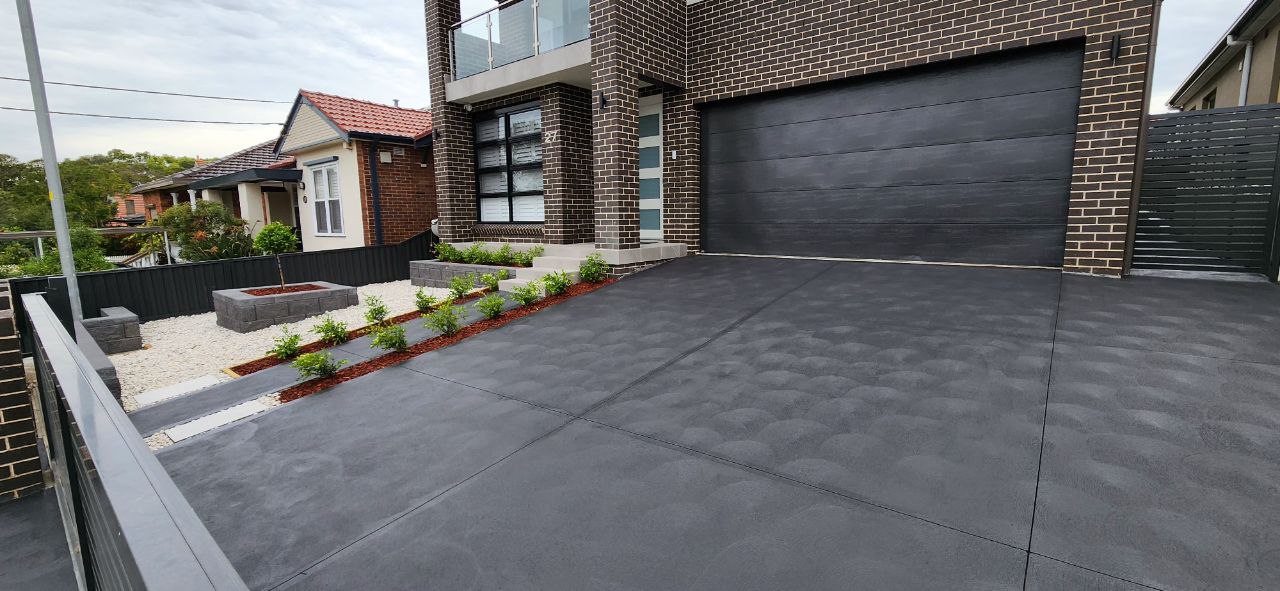
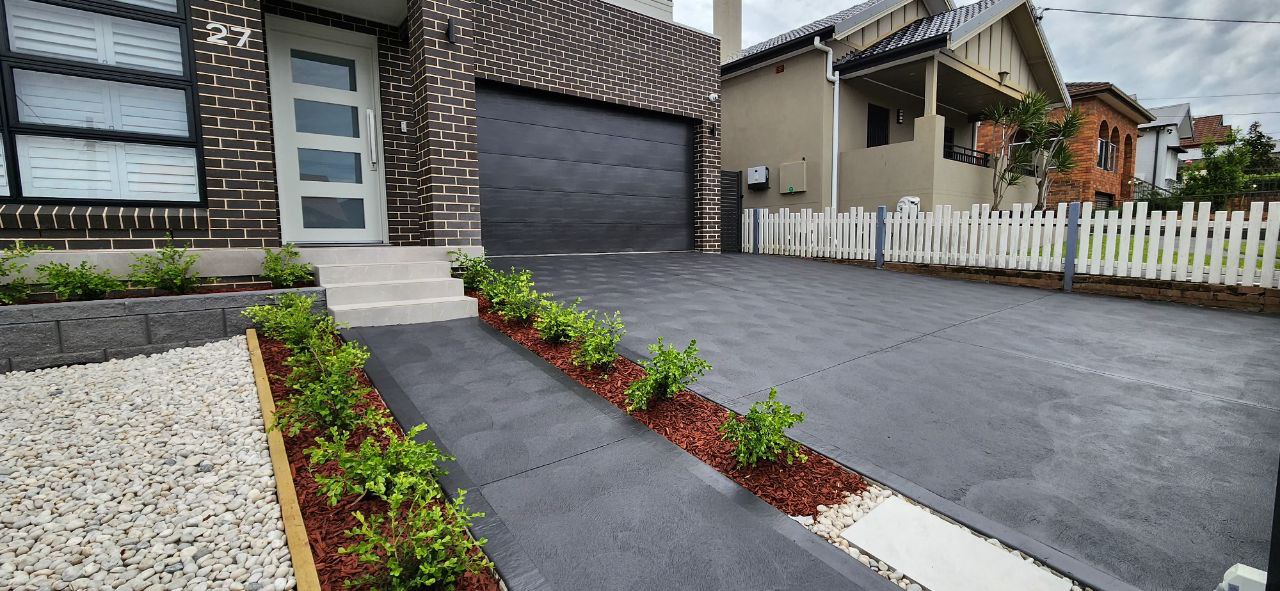
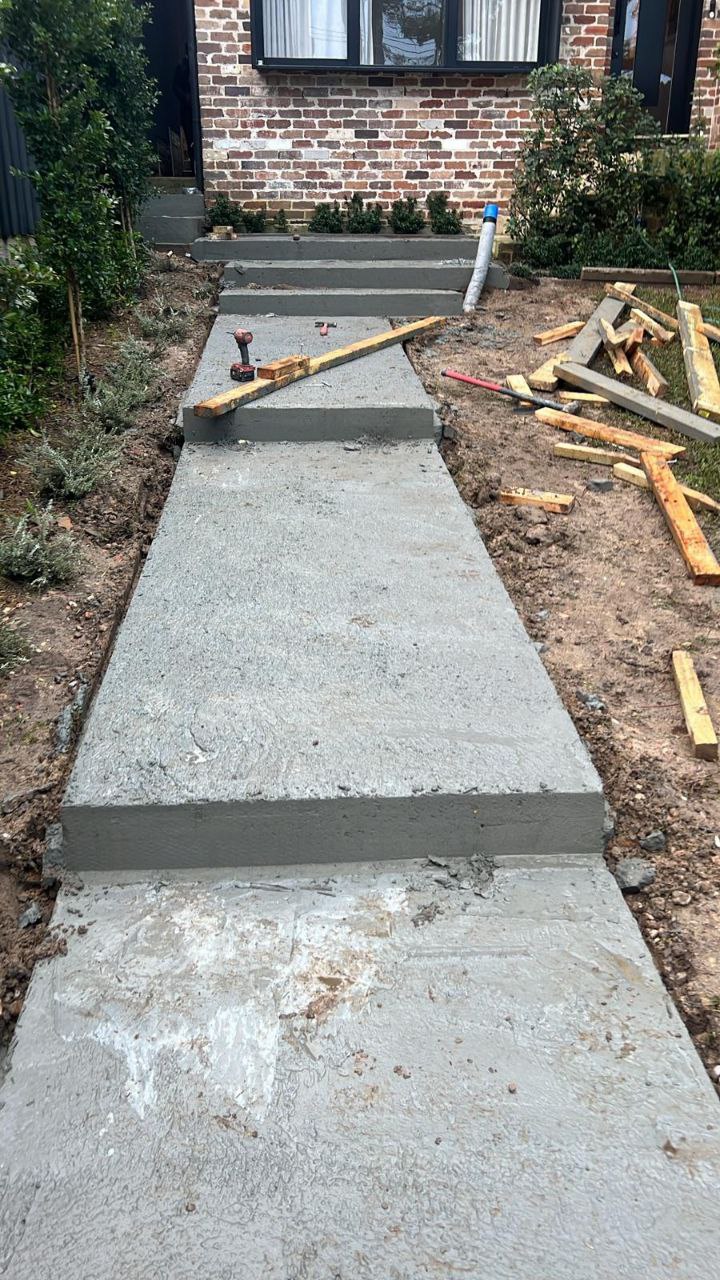
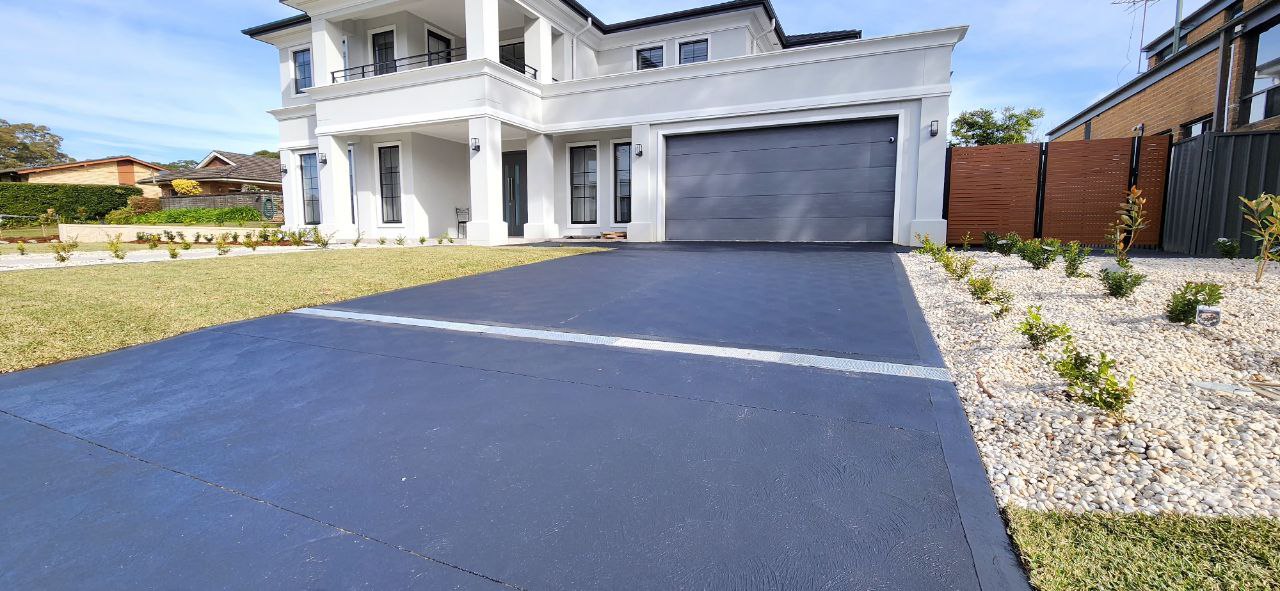
Sydney Concrete Pavers
Concrete pavers are the workhorses of Sydney landscaping. They are versatile, cost-effective, and available in a staggering range of shapes, sizes, colours, and finishes . For homeowners building a new patio, upgrading a driveway, or laying a garden path, concrete pavers offer a practical balance of durability and affordability that is hard to beat .
In a city like Sydney, where outdoor living is a way of life, concrete pavers are a reliable choice. Unlike natural stone, which requires ongoing sealing, or timber, which can rot, concrete pavers are incredibly durable and can mimic the look of more expensive materials like bluestone, sandstone, or even timber at a fraction of the cost .
Below is a comprehensive guide to understanding, selecting, and installing concrete pavers for your Sydney property.
1. Why Choose Concrete Pavers? Key Benefits
Concrete pavers remain a top choice for Sydney homeowners for several compelling reasons.
Cost-Effective Paving Solution
Concrete pavers are generally one of the most affordable paving options on the market. They offer a great “bang for your buck,” allowing you to cover large areas without breaking the budget, making them ideal for patios, pathways, and driveways .
Versatility in Design
Modern manufacturing techniques mean that concrete pavers can be shaped and coloured to suit almost any architectural style . Whether you need a sleek, contemporary grey for a modern home in Zetland or a textured, terracotta tone for a Federation-era cottage in Annandale, concrete pavers can deliver . They can be designed to mimic the look of natural stone, brick, or even timber planks.
Durability and Strength
The manufacturing process creates a dense, hard-wearing product that can withstand Sydney’s diverse weather conditions, from scorching summer heat to pounding coastal rain . When properly installed on a solid base, concrete pavers hold up well under heavy foot traffic and vehicle loads .
Easy Repairs
One of the biggest advantages of pavers (over a concrete slab) is repairability. If a concrete paver cracks or gets stained, you can simply pull it up and replace it with a new one without disturbing the rest of the paved area .
2. Types of Concrete Pavers
Not all concrete pavers are the same. Choosing the right type depends on where you plan to use them.
Standard Concrete Pavers
Description: The classic, utilitarian paver. Often square or rectangular with a simple, smooth finish.
Best For: Budget-conscious projects, pathways, general patios, and side access areas.
Appearance: Simple and clean. Available in basic greys, charcoals, and earthy tones.
Textured Concrete Pavers
Description: These pavers feature stamped or imprinted surfaces to replicate other materials like slate, cobblestone, or timber grain.
Best For: Adding visual interest to an alfresco area or creating a distinct look without the cost of natural stone.
Appearance: Much more character than standard pavers. Can look very similar to natural stone from a distance.
Large-Format Concrete Pavers
Description: This category often overlaps with premium ranges. These pavers are larger (e.g., 600x600mm or 800x400mm), offering a more modern, minimalist look with fewer grout lines .
Best For: Contemporary courtyards, modern patios, and pool surrounds.
Appearance: Sleek, seamless, and architectural.
Permeable Concrete Pavers
Description: Specially designed to allow water to drain through the paver into the ground below, reducing stormwater runoff.
Best For: Driveways in areas with strict drainage requirements, eco-friendly gardens, and reducing puddles.
Appearance: Often has a distinct grid or honeycomb pattern .
3. Cost Guide for Sydney (Supply & Installation)
Paving costs in Sydney typically range from 80to80to300+ per square metre installed, with concrete pavers sitting at the affordable end of the spectrum .
The final price depends on the paver style, the complexity of the pattern, and the necessary site preparation.
| Project Type | Cost per m² (Installed) | Typical Use |
|---|---|---|
| Standard concrete pavers (basic pattern) | 80–80–130 | Simple patios, pathways, budget renovations |
| Premium concrete pavers (large-format, textured) | 130–130–180 | Modern patios, feature driveways, courtyards |
| Driveway paving (concrete pavers) | 65–65–150 | Single car driveway (~20m² total 1,300–1,300–3,000) |
Note: The price of the paver itself is often the smaller part of the total cost. Excavation, base preparation (road base), edge restraints, and drainage make up the bulk of what separates a budget quote from a quality job . A cheap quote that skips proper base preparation will lead to sinking, cracked, or weed-infested pavers within a season.
What Affects the Price Most?
Base Condition: Paving over an existing concrete slab is cheaper than excavating a garden bed and laying a fresh road base.
Pattern Complexity: A simple running bond (stretcher pattern) is fast to lay. A herringbone or 45-degree basketweave pattern requires significantly more cuts and labour.
Site Access: A backyard with limited access for a wheelbarrow or excavator will increase labour time and cost .
4. Critical Installation Requirements
The longevity of a concrete paved surface depends almost entirely on what lies beneath it. Most paving failures in Sydney are attributed to inadequate base preparation, not the pavers themselves .
The Standard Base Layers (from bottom to top):
| Layer | Material | Thickness | Purpose |
|---|---|---|---|
| Sub-grade | Native compacted soil | N/A | Stable foundation after excavation |
| Base course | Road base / crushed rock | 100–150mm (more for driveways) | Load distribution and drainage |
| Bedding layer | Sand or sand-cement mix | 20–30mm | Smooth, level screed for laying pavers |
| Pavers | Concrete pavers | 40–50mm standard | Wearing surface |
| Jointing | Polymeric sand | Fills gaps | Locks pavers in place and prevents weeds |
Key Installation Steps (Professional Overview):
Site Assessment: A professional will check levels, drainage, access, and the condition of the existing base .
Excavation: Removing topsoil and organic matter to reach a stable sub-grade.
Base Preparation (The Most Important Step): Spreading and machine-compacting road base to create a solid foundation. For driveways, an engineer might specify a reinforced concrete slab base for absolute rigidity .
Bedding and Laying: Spreading a screeded layer of sand and laying the pavers to the desired pattern.
Compaction and Jointing: Running a plate compactor over the pavers to set them into the sand, then sweeping in polymeric sand and activating it with water.
Drainage is critical: The finished paved surface must slope away from buildings (minimum 1-2% fall). Without proper drainage, water will pool on the surface or run back toward the house foundation, leading to long-term structural issues .
5. Maintenance: Simple and Low-Cost
Concrete pavers are relatively low maintenance compared to natural stone, which requires regular sealing.
Regular Care:
Sweep or leaf-blow weekly to remove abrasive dirt and organic matter .
Hose down with fresh water to remove dust and general grime.
Pressure washing: Can be used on concrete pavers, but use a wide fan tip (40 degrees) and keep the nozzle moving. Too much pressure can erode the surface of the paver or blow out the jointing sand.
Sealing (Optional but Beneficial):
While concrete pavers do not require sealing to function (unlike porous sandstone), sealing provides benefits :
Colour enhancement: Deepens and enriches the colour of the paver, giving it a “wet look” or satin sheen.
Stain resistance: Makes it easier to wipe away oil spills on driveways or wine on patios.
Weed prevention: Sealed joints are harder for weeds to penetrate.
Fade resistance: Premium sealers include UV inhibitors to slow the natural fading of the concrete dye caused by Sydney’s harsh sun .
Potential Colour Fading:
Consideration: Concrete pavers are dyed, not fired with colour (like clay bricks). Over many years of direct sun exposure, the colour can fade slightly .
Solution: Choosing a high-quality sealer with UV protection applied every 3-5 years will dramatically slow this process and keep your patio looking fresher for longer.
Re-sanding Joints:
Over time, wind and rain may wash jointing sand away. When joints appear low (more than 5mm below the paver surface), sweep in fresh polymeric sand and lightly hose to re-set. This is typically only needed every 5–10 years in most Sydney applications.
6. Concrete Pavers vs. Other Materials: When to Choose What
| Feature | Concrete Pavers | Natural Stone (Sandstone/Bluestone) | Porcelain | Clay/Brick Pavers |
|---|---|---|---|---|
| Colour longevity | Moderate – can fade, sealing helps | Excellent – natural, weathers naturally | Excellent – stable, does not fade | Excellent – fired in, never fades |
| Character | Uniform or textured (versatile) | Unique, premium, organic | Uniform, sleek, modern | Warm, rustic, traditional |
| Maintenance | Low – occasional sealing optional | Moderate – requires regular sealing | Very low – no sealing required | Low – occasional re-sanding |
| Slip resistance | Good – textured options available | Good – natural cleft | Good – textured options available | Good – naturally textured |
| Cost (installed) | 80–80–180/m² (most affordable) | 180–180–300+/m² | 180–180–300+/m² | 90–90–220/m² |
| Lifespan | 30–50 years | 50+ years | 50+ years | 50+ years |
The bottom line: If you are on a budget, covering a large area, or need a durable, low-fuss surface for a driveway or family patio, concrete pavers are excellent. If you want a truly unique, high-end look and don’t mind the higher cost and maintenance, choose natural stone. If you want the look of stone with zero maintenance and extreme durability, choose porcelain .
7. Where Concrete Pavers Work Best in Sydney Homes
Driveways
Concrete pavers are a classic choice for Sydney driveways. When laid in a herringbone pattern on a deep, compacted road base, they are strong enough to handle daily vehicle loads . If a paver cracks under the weight of a car, you can replace just that one paver—unlike a poured concrete slab which would require a full demolition and repour .
Patios and Alfresco Areas
Their non-slip nature makes them safe for wet entertaining areas, and they stay cooler than dark stone or timber in the summer sun . Large-format concrete pavers can create a seamless indoor-outdoor flow when matched with indoor tiles.
Garden Paths and Side Access
The durability and affordability of concrete pavers make them perfect for high-traffic utility areas like the path from the driveway to the backyard gate. They handle wheelbarrows, bins, and muddy boots with ease.
Pool Surrounds
If you choose concrete for a pool, texture is critical. You must select a paver with a high slip resistance rating (e.g., tumbled or exposed aggregate finish) to prevent accidents on wet feet .
8. Design Ideas and Aesthetics
One of the greatest strengths of concrete pavers is their design flexibility.
Contemporary Styles
Large-format pavers: Use 600x600mm or 800x400mm pavers in a light grey or charcoal to create a minimalist, modern look .
Monochrome palette: Pair light grey pavers with white render and dark timber for a chic, very Sydney aesthetic.
Classic and Rustic Styles
Exposed aggregate: Pavers with small pebbles revealed on the surface offer a textured, non-slip finish that suits family homes.
Warm earth tones: Beige, sand, or terracotta-toned concrete pavers complement red brick homes or Federation-style architecture beautifully .
Pattern Inspiration
Running Bond (Stretcher): Standard, fast, cost-effective. Best for paths.
Herringbone: The strongest interlocking pattern. Highly recommended for driveways.
Basketweave: A charming pattern best suited for small courtyards or feature areas (more labour-intensive).
Stack Bond: A straight grid. Very modern but requires perfect levelling.
Colour Psychology
Grey: Creates a cooler, sophisticated, “chic” aesthetic. Complements red brick, terracotta, and wood fences.
Beige/Sand: Adds warmth. Complements white furniture and lush green gardens.
Charcoal: Dramatic and modern. Hides dirt well but can absorb heat in direct summer sun.
9. Sourcing Concrete Pavers in Sydney
When visiting a landscape supplier or paver showroom in Sydney, keep these factors in mind:
View a display: Colours on a small sample can look very different on a full pallet. Visit a showroom or a completed project if possible.
Check the rating: Ensure the paver is rated for “driveway” use if it will hold cars (often requires 50mm thickness or specific PSI rating).
Ask about sealing: The supplier can recommend a compatible sealer (wet-look, satin, or matte) that works with their specific product.
Local Suppliers: Visit landscape supply yards in your area (e.g., Nazscapes, Antique Stone) to view full pallets and compare colours under natural light before purchasing .
10. Frequently Asked Questions
Q: Do concrete pavers need sealing?
A: Not strictly, but it is highly recommended for driveways or entertaining areas. Sealing prevents oil stains, enhances colour, reduces fading, and stops weeds .
Q: Do concrete pavers crack easily?
A: High-quality pavers are very strong. However, if the base underneath them moves (due to poor compaction or water erosion), the pavers will crack or sink. A proper base is the key to preventing cracks .
Q: Can I install concrete pavers myself?
A: Yes for small, simple patios or paths. However, laying a driveway or a large patio is heavy labour that requires compacting machinery and knowledge of drainage falls. It is often worth hiring a professional to ensure it lasts .
Q: Are concrete pavers slippery when wet?
A: It depends on the finish. Tumbled or exposed aggregate finishes provide excellent grip. Honed or polished finishes can be slippery and are not recommended for pool surrounds