
Sydney Porcelain Paving
A Complete Guide to Durable, Elegant, and Low-Maintenance Outdoor Surfaces

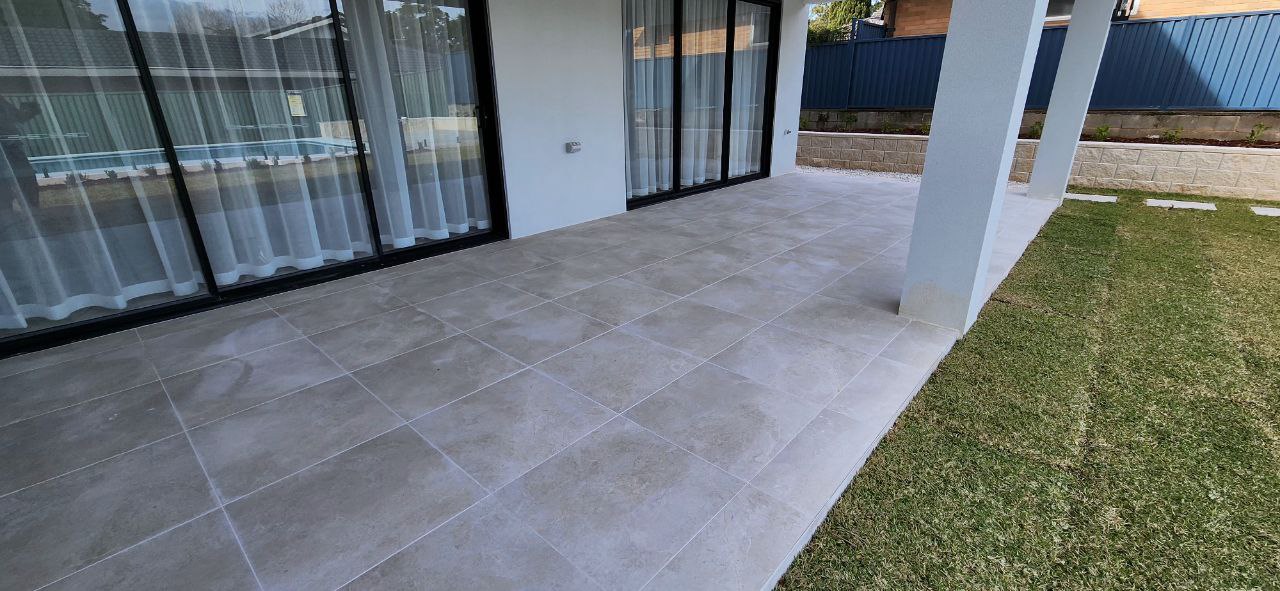
Sydney Porcelain Pavers
Sydney Porcelain pavers have carved out a prominent place in Sydney’s landscaping market, earning admiration from homeowners, architects, and builders alike. Their refined appearance faithfully echoes the character of premium natural stone, whether marble, travertine, limestone, or granite, yet they eliminate the continual maintenance those materials typically demand.
Produced from highly refined structural clay and kiln-fired at exceptionally high temperatures, porcelain develops an ultra-dense composition approaching 99% density. This manufacturing process delivers remarkable strength, exceptional longevity, and impressive resistance against Sydney’s coastal climate, fluctuating temperatures, moisture, and UV exposure. For families, pool owners, and those pursuing contemporary outdoor living, porcelain offers a practical investment that retains its visual appeal year after year with remarkably little intervention.
Why Sydney Homeowners Are Choosing Porcelain Pavers
Maintenance-Free Surface Protection
Unlike sandstone, limestone, or travertine, porcelain does not require routine sealing. Traditional stone surfaces often need fresh sealant every year or two to defend against moisture penetration and stubborn stains. Porcelain’s naturally non-absorbent surface repels liquids without additional treatment, allowing homeowners to sidestep both recurring expenses and time-consuming upkeep.
Outstanding Resistance to Stains and Chemicals
Everyday mishaps rarely leave a lasting impression on porcelain. Coffee, red wine, cooking oils, barbecue sauces, and similar spills remain on the surface rather than soaking in. Equally important, porcelain withstands chlorine and salt exposure, making it particularly well suited to both freshwater and saltwater swimming pool environments.
Comfortable Underfoot During Summer
Australian summers place enormous demands on outdoor paving. While certain materials become unpleasantly hot, quality porcelain generally absorbs less heat than concrete and many darker stone alternatives. As a result, entertaining spaces remain noticeably more comfortable for barefoot use, even during the intense heat common throughout Western Sydney.
Superior Slip Performance
Safety becomes especially significant around pools, pathways, and entrances exposed to rain. Premium porcelain pavers frequently achieve high slip-resistance classifications such as P5 or R11, providing dependable traction in damp conditions. This added grip offers valuable reassurance for households with children, elderly family members, or frequent outdoor entertaining.
Precise Dimensions for a Refined Finish
Natural stone carries inherent variation in both thickness and size, often requiring additional adjustment during installation. Porcelain, by comparison, is manufactured with exceptional dimensional accuracy. This consistency simplifies installation, produces tighter grout joints, and delivers a cleaner, more contemporary aesthetic.
Popular Porcelain Styles for Sydney Homes
Advancements in digital printing and surface technology have elevated porcelain to an extraordinary level of realism. Today’s collections faithfully replicate the character of natural stone while preserving porcelain’s practical advantages.
Marble Look (Glen Design)
Those drawn to the timeless sophistication of marble can now enjoy its luxurious appearance without worrying about staining, etching, or continual care. Featuring crisp white backgrounds intertwined with elegant grey veining, marble-look porcelain introduces understated refinement to entryways, alfresco entertaining spaces, patios, and poolside retreats.
Limestone Look (Park Italian)
Limestone-inspired porcelain delivers soft beige palettes complemented by delicate cream veining, perfectly suited to Sydney’s relaxed coastal architecture. Many collections incorporate bush-hammered finishes that replicate natural stone texture while providing reliable slip resistance and excellent resilience against pool chemicals.
Travertine Look
Travertine has long been associated with premium pool surrounds due to its cool surface and classic appearance. However, authentic travertine contains natural voids that require filling and regular sealing. Travertine-look porcelain recreates the same inviting warmth and elegant character while eliminating concerns surrounding erosion, staining, salt exposure, and chlorine damage.
Sydney Cost Guide
Project costs vary according to material origin, manufacturing quality, installation complexity, site preparation, and paver thickness.
| Material Grade | Approximate Supply Cost per m² | Typical Applications |
|---|---|---|
| Standard Porcelain | $80–$120 | Renovations, investment properties, budget-conscious projects |
| Premium Porcelain (Italian) | $120–$200 | Luxury residences, architectural landscaping, designer builds |
| Complete Installation (Supply & Labour) | $180–$300+ | Patios, courtyards, pathways, and full outdoor transformations |
Important Note: Driveways typically attract higher installation costs because they require thicker porcelain pavers, commonly 20mm rather than 10mm, supported by a reinforced concrete base engineered to accommodate vehicle loads.
Porcelain vs. Natural Stone
Choosing between porcelain and natural stone remains one of the most frequent decisions facing Sydney homeowners. Each material offers distinct strengths.
| Feature | Porcelain Pavers | Natural Stone (Travertine / Sandstone) |
|---|---|---|
| Maintenance | Minimal. No sealing necessary. Routine washing is sufficient. | Ongoing sealing required every 1–2 years. |
| Stain Resistance | Exceptional due to its non-porous composition. | More susceptible unless properly sealed. |
| Appearance | Uniform colours and consistent patterns. | Organic variation unique to every piece. |
| Pool Performance | Highly resistant to chlorine, salt, and moisture. | Performs well but benefits from regular sealing. |
| Heat Retention | Cooler than concrete and many darker paving products. | Generally remains slightly cooler in extreme heat. |
| Longevity | 50+ years with excellent colour stability. | Comparable lifespan, though weathering may occur without maintenance. |
Final Verdict
For homeowners prioritising effortless maintenance, crisp architectural lines, and dependable long-term durability, porcelain stands out as the more practical solution. Those who appreciate the individuality and organic character of genuine stone, and are comfortable with periodic maintenance, may still find natural stone to be the more appealing choice.
Essential Installation Requirements
The long-term performance of porcelain depends heavily on meticulous preparation beneath the surface. Because porcelain possesses exceptional rigidity, it requires complete structural support to prevent movement and cracking.
Reinforced Concrete Slab
For driveways, pool surrounds, and heavily trafficked areas, a reinforced concrete slab measuring at least 100mm in thickness provides the most dependable foundation.
Compacted Road Base with Bedding Layer
Pedestrian pathways, patios, and garden spaces commonly utilise approximately 150mm of compacted road base topped with either sand or a sand-cement bedding layer, creating a stable platform for installation.
Adjustable Pedestal Systems
Balconies, rooftop terraces, and elevated decks frequently benefit from pedestal systems. These adjustable supports simplify installation while preserving convenient access to waterproof membranes and concealed services beneath the paving.
Effective Drainage
Proper water management is indispensable. Finished paving should incorporate a gradient of approximately 1–2% directing water away from buildings, preventing ponding and reducing the likelihood of long-term moisture-related issues.
Maintenance: Remarkably Simple
Perhaps porcelain’s greatest attraction lies in its uncomplicated care routine.
Everyday Cleaning
Routine maintenance rarely requires more than sweeping away debris followed by a rinse with water and a mild detergent solution. This straightforward approach preserves the surface’s fresh appearance with minimal effort.
Tackling Persistent Marks
Grease, paint residue, or stubborn contaminants can usually be removed using a porcelain-specific cleaner or a non-metallic plastic scraper. Abrasive tools such as steel wool should be avoided, as they may leave metallic residue on the surface.
Products to Avoid
Aggressive acidic chemicals, including hydrochloric acid, should never be used on porcelain installations. Likewise, high-pressure washing at proximity can gradually weaken grout joints and compromise the finished installation.
Conclusion
Sydney Porcelain Pavers continue to redefine outdoor paving by combining refined aesthetics with exceptional practicality. Their remarkable resistance to moisture, chemicals, fading, staining, and everyday wear makes them an outstanding solution for patios, pool surrounds, pathways, courtyards, and contemporary landscape designs.
For homeowners seeking an elegant finish without the burden of continual maintenance, porcelain delivers a compelling balance of beauty, resilience, and long-term value, qualities that make it one of the smartest paving investments available for Sydney properties.