
Natural Stone Paving
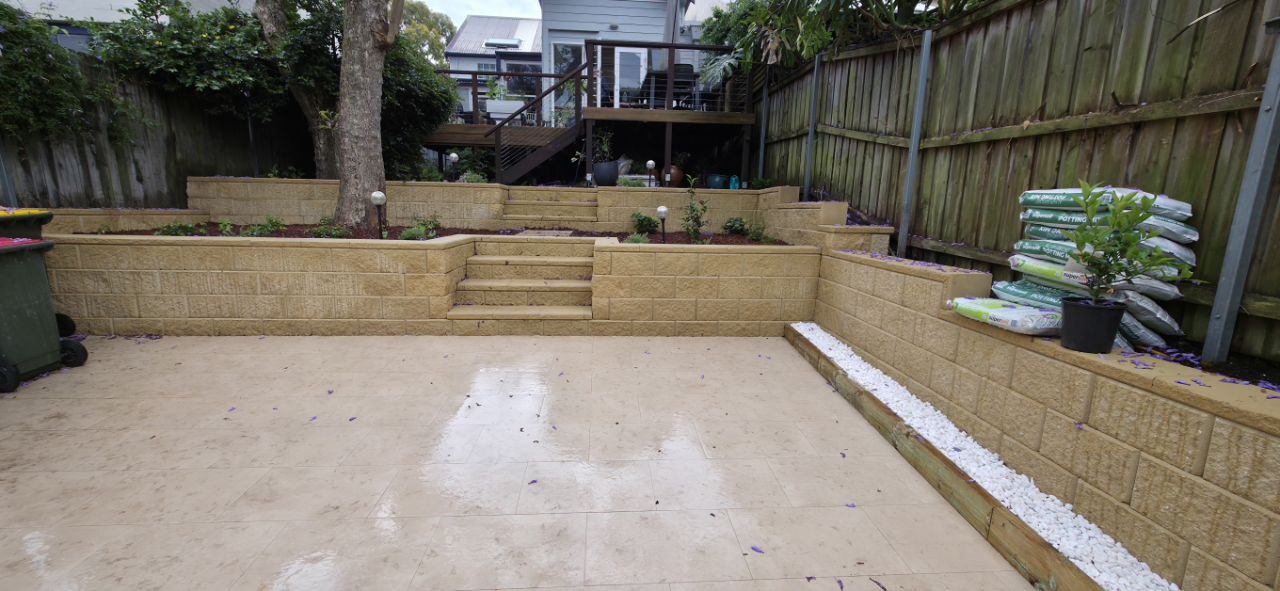
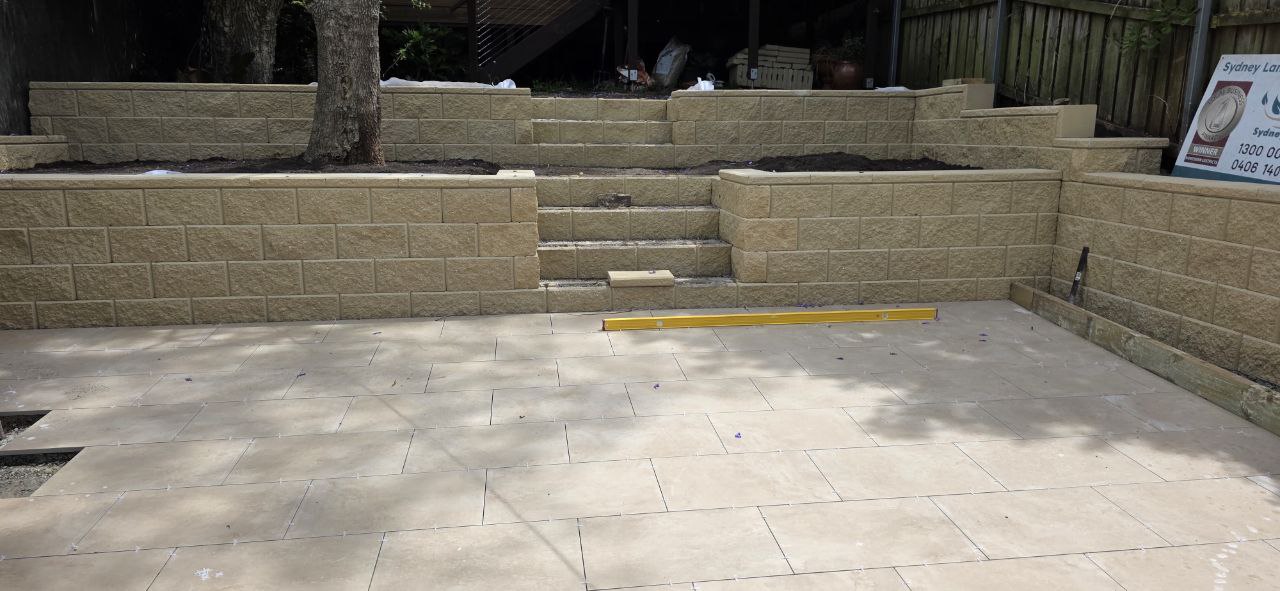
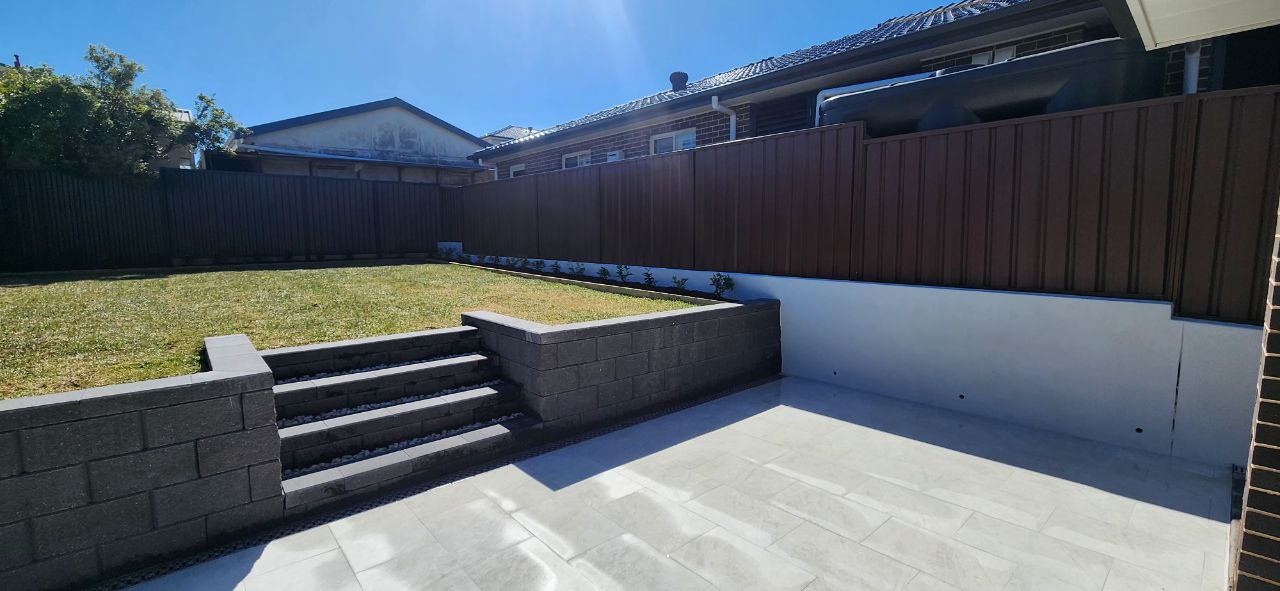
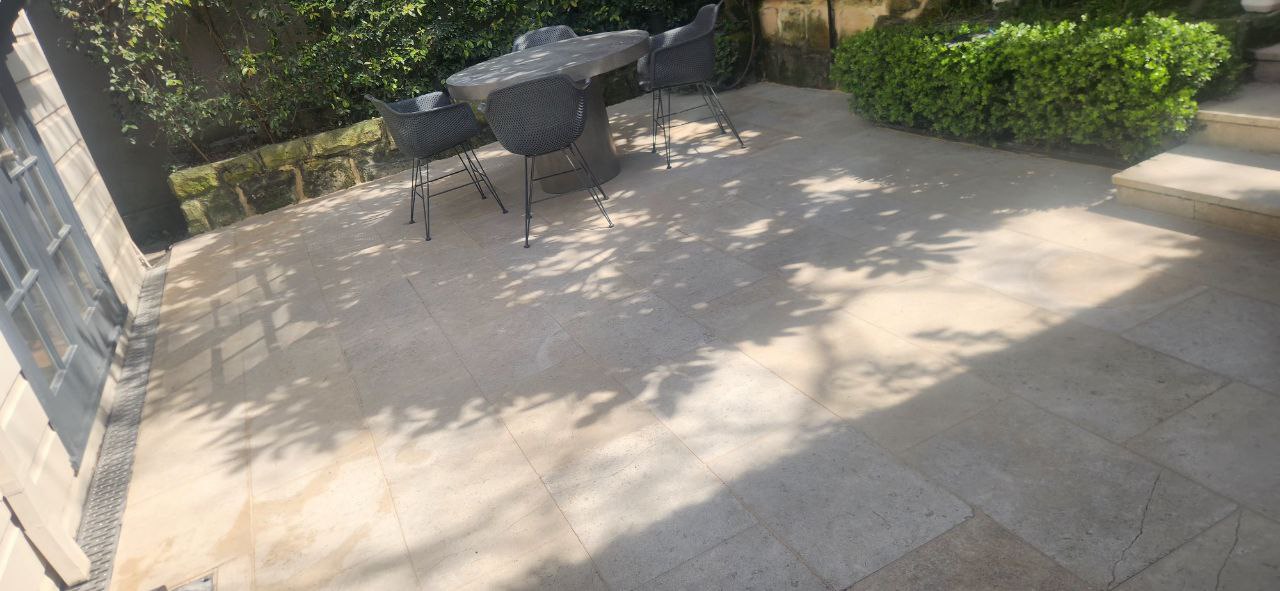

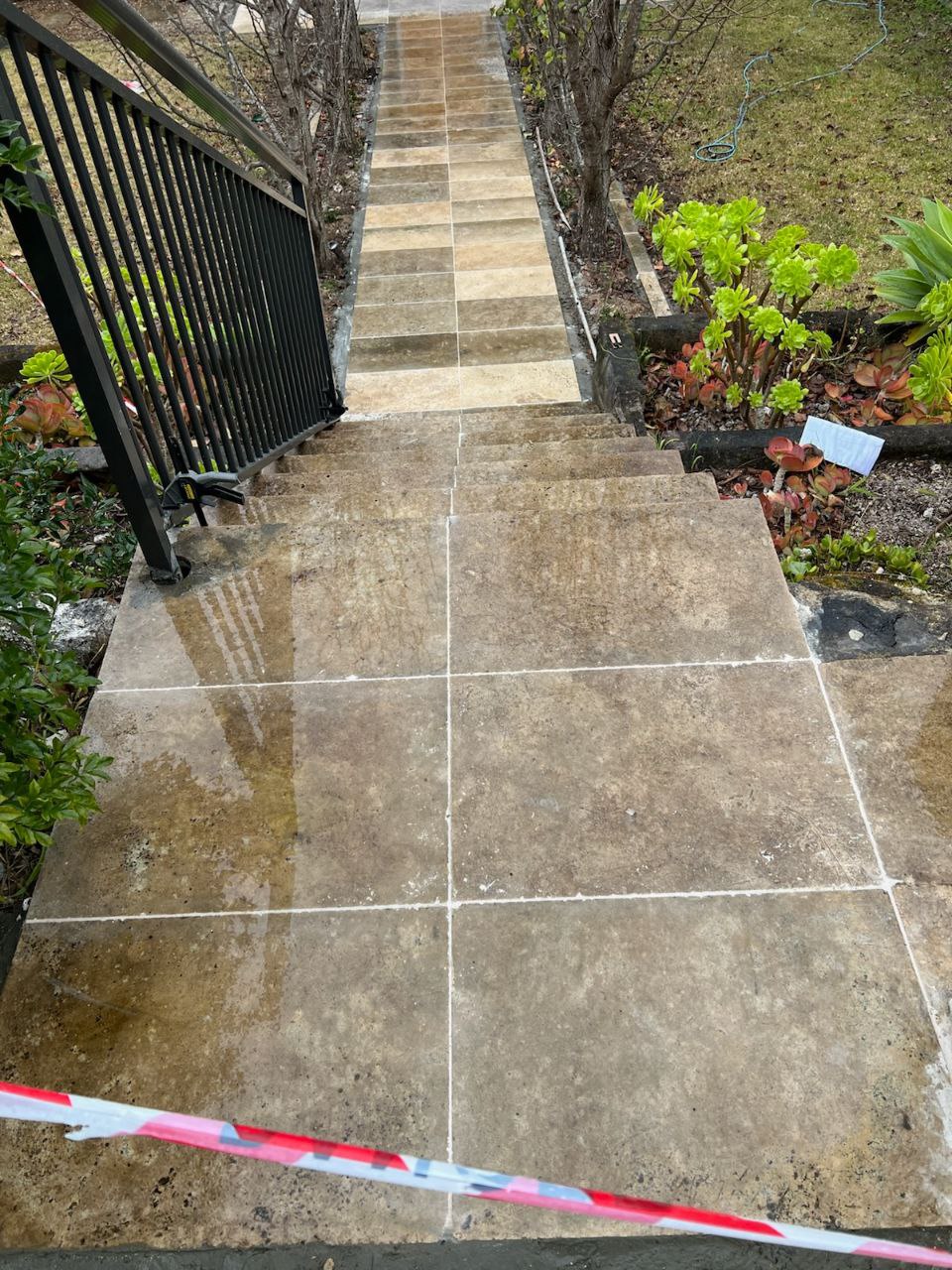
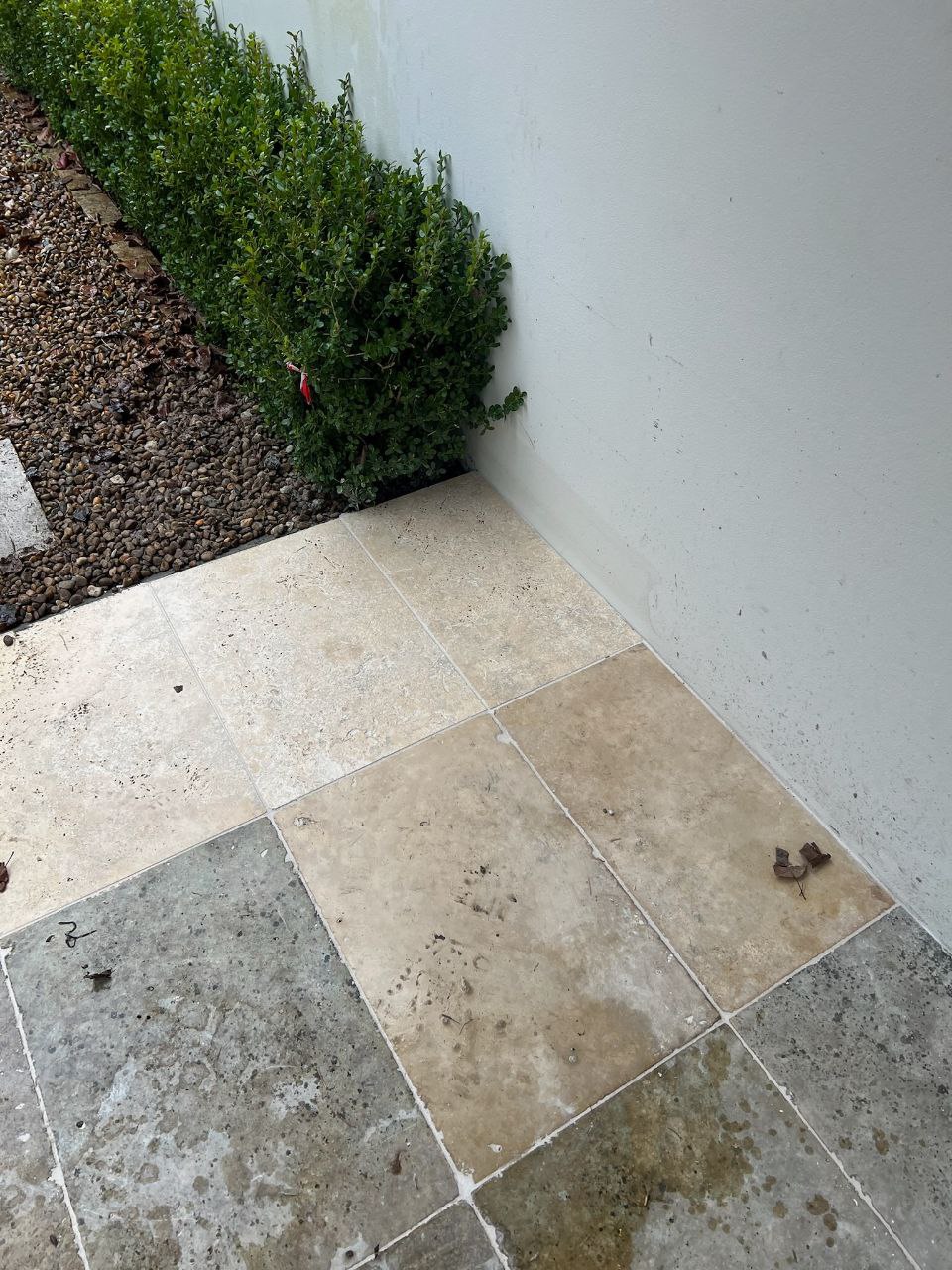
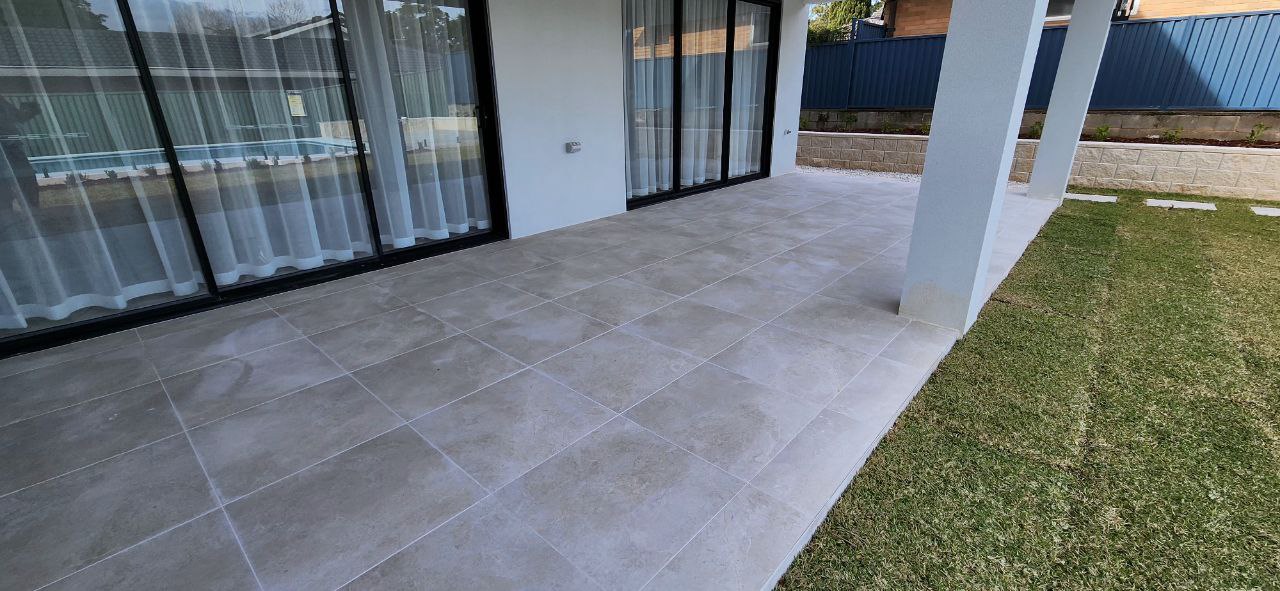
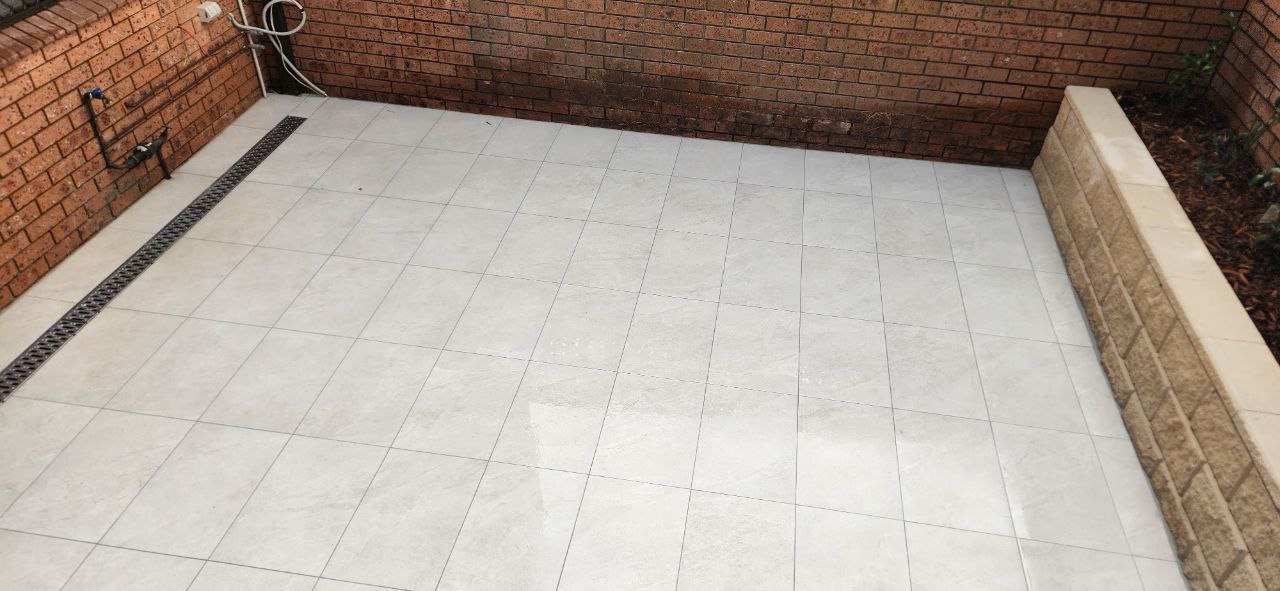
Sydney Travertine Pavers
Travertine pavers have become a signature choice for Sydney outdoor spaces, and it’s easy to see why. This natural stone brings a timeless, resort-style elegance to patios, pool surrounds, and alfresco areas while offering practical benefits that suit Sydney’s unique climate perfectly .
Unlike concrete or porcelain, travertine is a natural sedimentary stone formed over thousands of years. Its soft, earthy tones and naturally textured surface create a warm, inviting feel that synthetic materials simply cannot replicate . For Sydney homeowners who value both beauty and liveability, travertine delivers on every front.
Below is a comprehensive guide to understanding, selecting, and maintaining travertine pavers for your Sydney property.
1. Why Choose Travertine Pavers? Key Benefits
Travertine has earned its reputation as a premium paving material for several compelling reasons.
Stays Cool Underfoot – Perfect for Sydney Summers
One of the standout features of travertine is its ability to stay cool, even under direct sunlight . Its light colours reflect heat rather than absorbing it, making it comfortable for bare feet on a scorching January day. This makes travertine an ideal choice for pool surrounds, where families spend hours walking barefoot between the water and the lounge chairs .
Natural Slip Resistance
Safety is paramount around wet areas. Travertine’s naturally textured surface, particularly in a tumbled finish, provides excellent grip . Quality tumbled travertine carries a P5 or R11 slip resistance rating, giving you peace of mind for children running around the pool or elderly family members navigating wet paths .
Timeless Aesthetic with Natural Variation
Each travertine paver has unique patterns, colours, and natural holes (fissures) that add organic charm to any space . The soft, earthy tones—honey, cream, beige, silver, and walnut—create a warm, Mediterranean-inspired aesthetic that never goes out of style . This natural variation means your paved area will be truly one-of-a-kind.
Durable in Sydney’s Climate
Travertine is tough enough to handle Sydney’s changing weather, from hot summers to wet winters . It’s resistant to cracking and fading, and with proper sealing, it stays looking great for years with minimal effort . The stone’s density helps it resist cracking even when temperatures fluctuate.
Adds Property Value
A well-installed travertine patio or pool surround instantly elevates the perceived value of a property. The resort-style aesthetic is highly desirable to future buyers and creates an entertainer’s paradise that friends and family will envy.
2. Travertine Finishes: Which One Is Right for You?
Travertine comes in several finishes, each with distinct characteristics and best-use applications .
| Finish | Description | Best For | Slip Resistance |
|---|---|---|---|
| Tumbled | Tumbled with gravel to create a soft, aged, worn look with rounded edges. Unfilled (holes visible) or partially filled. | Outdoor – Pool surrounds, patios, pathways, alfresco areas. The top choice for exterior use. | Excellent (P5/R11 rated) |
| Honed & Filled | Sanded to a smooth, matte (non-shiny) finish. Holes are filled with resin or cement for a solid, clean appearance . | Indoor – Bathrooms, kitchens, living areas, entryways. Can be used outdoors but will be more slippery when wet. | Moderate (smoother surface) |
| Brushed | Steel wire brushes create a slightly textured, worn-looking finish, softer than tumbled but not as smooth as honed. | Both indoor and outdoor – Versatile option for those who want texture without a heavily aged look. | Good |
| Polished | Sanded and buffed to a shiny, reflective surface . | Indoor only – Feature walls, bathroom vanities, low-traffic areas. Very slippery when wet – not for pool surrounds. | Poor (not for wet areas) |
Sydney Recommendation: For outdoor applications—particularly pool surrounds and patios—tumbled travertine is the clear winner. Its superior slip resistance and ability to stay cool underfoot make it the safest and most practical choice for Sydney’s climate .
3. Colour Options
Travertine’s natural palette is what makes it so beloved. Colours range from light, airy creams to richer, warmer earth tones.
| Colour | Appearance | Best Paired With |
|---|---|---|
| Beige / Classic | Warm, soft beige with cream and honey variations . Most popular and versatile choice. | Virtually anything – white render, timber, greenery, dark furniture |
| Cream / Ivory | Lighter, brighter, almost white in appearance. Creates an airy, spacious feel. | Coastal themes, white architecture, light-coloured outdoor furniture |
| Silver / Grey | Cooler tones with subtle grey and silver veining. Modern and sophisticated. | Contemporary homes, charcoal render, dark timber, steel accents |
| Walnut / Noce | Richer, darker brown tones. Warm and dramatic. | Large spaces, feature areas, contrast with light-coloured walls |
Colour Consistency Note: Because travertine is a natural stone, expect variation between pavers . This is not a defect—it is the hallmark of real stone and what gives travertine its organic, luxurious character. A reputable supplier will show you a full pallet or display area so you can see the natural colour range before purchasing.
4. Cost Guide for Sydney (Supply & Installation)
Travertine sits at the premium end of the paving spectrum, reflecting its natural beauty and durability.
Based on 2025–2026 Sydney market rates :
| Project Type | Cost per m² (Installed) | What’s Included |
|---|---|---|
| Standard Travertine (filled & honed) | 180–180–260 | Standard finish, basic pattern, professional installation |
| Premium Travertine (tumbled, large-format) | 220–220–320 | Premium finish, large-format pavers, feature edging, complex patterns |
| Material Only | 29–29–110 | Supply only – varies significantly by finish, size, and thickness |
Important Note: As with all paving, the paver itself is often the smaller part of the total cost . Excavation, base preparation, drainage, and edge restraints make up the bulk of a quality quote. A cheap quote that skips proper base preparation will lead to sinking, cracked, or weed-infested pavers within a season.
What affects the price most?
Finish: Tumbled travertine is generally more expensive than honed and filled due to the additional processing.
Thickness: 30mm is standard for pedestrian areas; thicker pavers (40mm+) cost more.
Size: Larger format pavers (e.g., 600x600mm) typically cost more per square metre than smaller sizes.
Pattern: Simple running bond is fastest; herringbone or basketweave requires more cuts and labour.
Site access: A backyard with limited access will increase labour time and cost.
5. Critical Installation Requirements
The longevity of a travertine paved surface depends almost entirely on what lies beneath it. Proper base preparation is non-negotiable.
The Standard Base Layers (from bottom to top):
| Layer | Material | Thickness | Purpose |
|---|---|---|---|
| Sub-grade | Native compacted soil | N/A | Stable foundation after excavation |
| Base course | Road base / crushed rock | 100–150mm | Load distribution and drainage |
| Bedding layer | Sand or sand-cement mix | 20–30mm | Smooth, level screed for laying pavers |
| Pavers | Travertine pavers | 30mm standard | Wearing surface |
| Jointing | Polymeric sand | Fills gaps | Locks pavers in place and prevents weeds |
Outdoor-Specific Requirements:
For outdoor applications in Sydney’s climate, additional considerations apply :
Permeable Base: Use a permeable base with crushed rock and geotextile fabric for drainage – critical in areas with heavy rain .
Slope: The finished surface must slope away from buildings (minimum 1-2% fall) to prevent pooling water.
Edge Restraints: Install galvanised steel or plastic edge restraints around the perimeter to prevent creeping.
Pool Surround Specifics:
If installing travertine around a pool :
Tumbled finish only – for slip resistance.
Ensure proper drainage away from the pool shell.
Consider light colours – they stay cooler and resist chlorine staining better than dark stones.
DIY vs. Professional:
While a confident DIYer can lay travertine pavers for a small patio or path, it’s heavy labour that requires compacting machinery and knowledge of drainage falls. For large areas, complex patterns, or pool surrounds, it is generally worth hiring a professional to ensure longevity and safety .
6. Maintenance Guide (Tested for Australian Conditions)
Travertine is relatively low maintenance, but it does require some care to keep it looking its best, particularly given Sydney’s variable climate .
Regular Care:
| Task | Frequency | Method |
|---|---|---|
| Sweep or leaf blow | Weekly | Remove abrasive dirt and organic matter |
| Hose down | As needed | Fresh water rinse to remove dust |
| Clean spills | Immediately | Blot (don’t scrub) with pH-neutral stone cleaner |
Pressure Washing:
Travertine can be pressure cleaned at pressures up to 1200 psi, provided the grout is in good order . However:
Use a wide fan tip (40 degrees) and keep the nozzle at least 300mm from the surface.
Test on a hidden area first – too much pressure can erode the stone surface or blow out jointing sand.
For general cleaning, a garden hose with a trigger nozzle is usually sufficient.
Sealing – Essential for Longevity:
Travertine is more porous than marble or granite and requires sealing to protect against moisture absorption and staining .
When to seal: Before and after installation for best protection .
Sealer type: Use a breathable, high-quality penetrating sealer – never use urethane sealers as travertine needs to breathe .
Reseal frequency: Every 2–3 years for outdoor areas in Sydney’s climate.
Professional option: Sydney has specialist stone restoration companies that can clean, reseal, and restore travertine surfaces .
What to Avoid:
| Product | Why to Avoid |
|---|---|
| Vinegar, bleach, ammonia, acidic cleaners | These will etch (chemically burn) the surface of travertine . |
| High-pressure washer too close | Damages the stone surface and blows out jointing sand. |
| Urethane sealers | Trap moisture and prevent the stone from breathing, causing damage over time . |
Dealing with the Natural Holes:
Unfilled or tumbled travertine has small to medium holes on the surface – the result of gases escaping as the stone formed . While these holes showcase the amazing natural character of travertine, they can fill with dirt over time. In most cases, these tiny holes cannot be cleaned effectively by hand and may require professional treatment .
Solution: For outdoor areas with heavy use, consider filled and tumbled travertine – the holes are filled with a coloured resin or cement, creating a smoother surface while retaining the textured, slip-resistant finish .
7. Travertine vs. Other Pavers: Quick Comparison
| Feature | Travertine | Natural Stone (Sandstone/Bluestone) | Porcelain | Concrete |
|---|---|---|---|---|
| Cool underfoot | Excellent – naturally cool | Good | Good – but can heat up | Moderate |
| Slip resistance | Excellent (tumbled finish) | Good | Good (textured options) | Moderate |
| Natural variation | Yes – unique character | Yes | No – uniform | No – uniform |
| Maintenance | Moderate – sealing every 2-3 years | Moderate – sealing required | Very low – no sealing | Low – optional sealing |
| Stain resistance | Good (when sealed) | Variable | Excellent | Good |
| Cost (installed) | 180–180–320/m² | 180–180–300+/m² | 180–180–300+/m² | 80–80–180/m² |
The bottom line: If you want a cool, naturally slip-resistant, resort-style surface around your pool or patio and appreciate the unique character of natural stone, travertine is the premium choice. If budget is the primary concern, concrete pavers are more affordable. If you want a uniform look with zero maintenance, porcelain is an alternative .
8. Where to Buy Travertine Pavers in Sydney
Sydney has numerous reputable suppliers of natural stone. Here are some key options:
| Supplier | Location | Notes |
|---|---|---|
| SNB Stone Australia | Sydney showroom | Stocks Classic Travertine in 406x610mm, 30mm thickness, tumbled finish |
| Stone Centre | Wetherill Park (7 Coates Place) | 30+ years experience; Australia’s largest selection of premium natural stones including travertine |
| Hunter Pavers | Online/Sydney delivery | Beige Travertine from 29–29–110/m²; wide range of finishes and sizes |
| Sam the Paving Man | Sydney-based | Trusted expert since 1985; specialises in commercial and public domain paving including travertine |
| Various landscaping suppliers | Across Sydney | Many independent suppliers also stock travertine – visit display areas to view stone in person |
Shopping Tips:
View the stone in person – colours and variations look different under natural light than on a screen.
Ask about batch consistency – ensure all pavers come from the same batch for colour matching.
Check thickness – 30mm is standard for pedestrian areas; confirm before purchasing.
Request delivery details – stone is heavy; many suppliers offer truck-mounted forklifts for unloading.
9. Frequently Asked Questions
Q: Is travertine slippery when wet?
A: Tumbled travertine has excellent slip resistance with a P5 or R11 rating, making it safe for pool surrounds and wet areas . Honed or polished finishes can be slippery and are not recommended for outdoor wet areas.
Q: Does travertine need sealing?
A: Yes, especially for outdoor applications. Sealing protects against moisture absorption, staining, and UV damage . Reseal every 2–3 years for best results.
Q: Will travertine crack in Sydney’s weather?
A: Properly installed and sealed travertine is resistant to cracking. Its natural density helps it withstand temperature fluctuations . However, inadequate base preparation is the #1 cause of cracks – not the stone itself.
Q: Does travertine get hot in summer?
A: No – one of travertine’s standout features is that it stays cool underfoot, even in direct sunlight . This makes it perfect for pool surrounds and sunny patios.
Q: Can I use travertine around a saltwater pool?
A: Yes. Travertine is resistant to salt and chlorine when properly sealed . Regular sealing and rinsing will keep it looking great for years. Tumbled finishes are recommended for the best slip resistance.
Q: How do I clean travertine pavers?
A: Sweep regularly, hose down as needed, and clean spills immediately with a pH-neutral stone cleaner . Avoid vinegar, bleach, and acidic cleaners – they will etch the surface.