
Natural Stone Paving
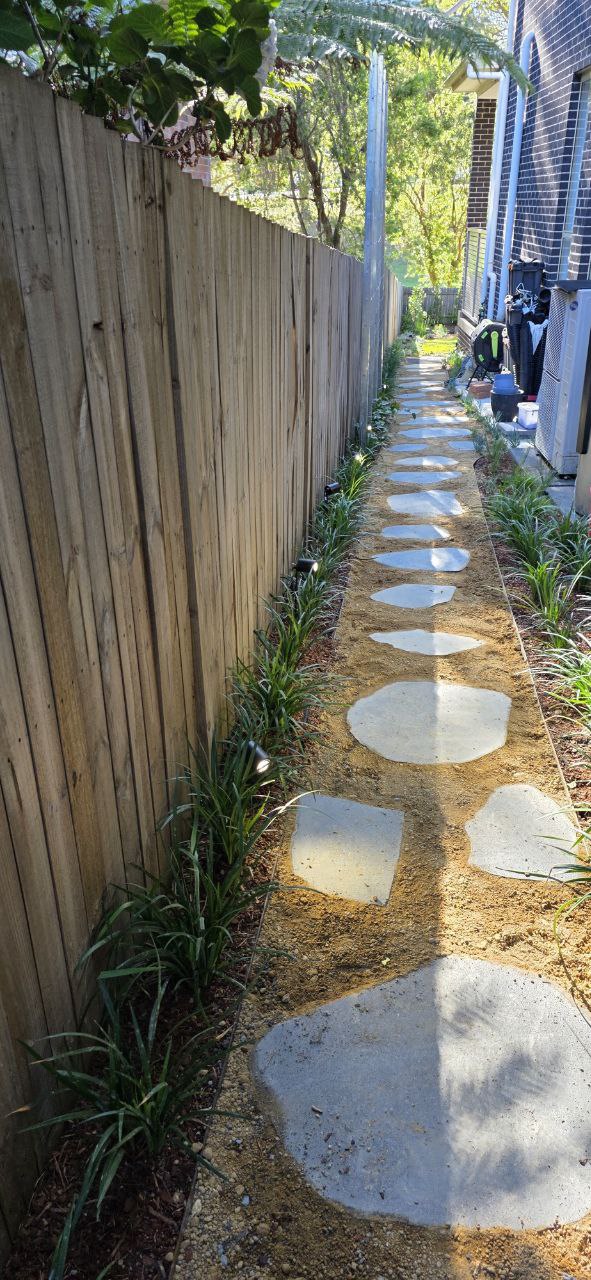
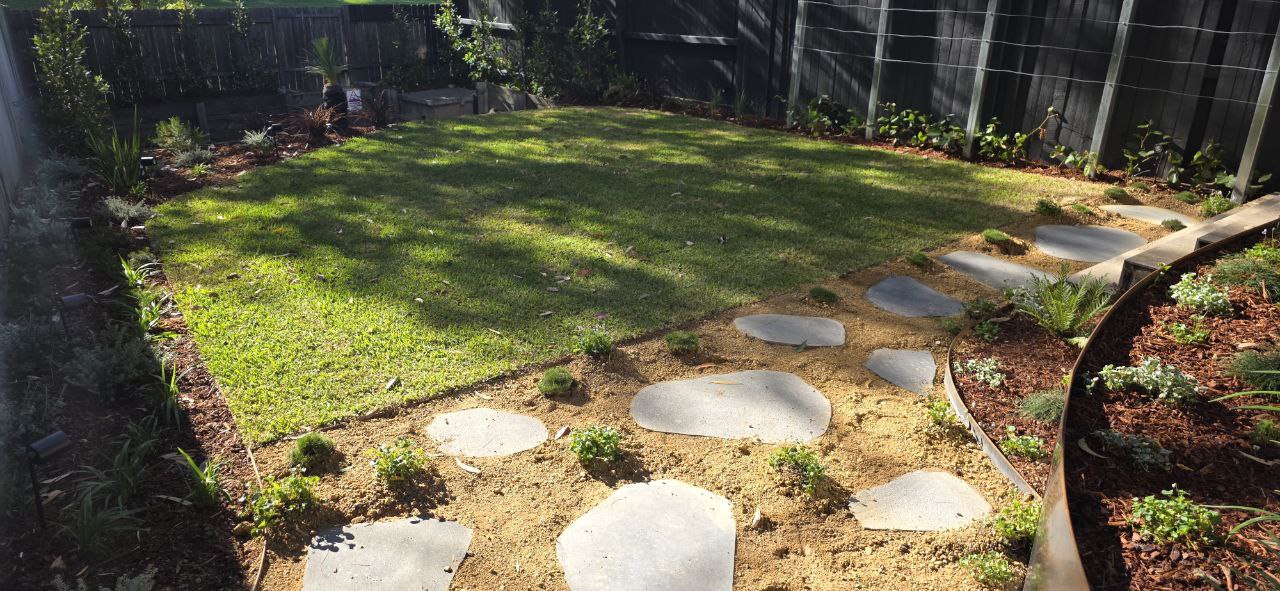
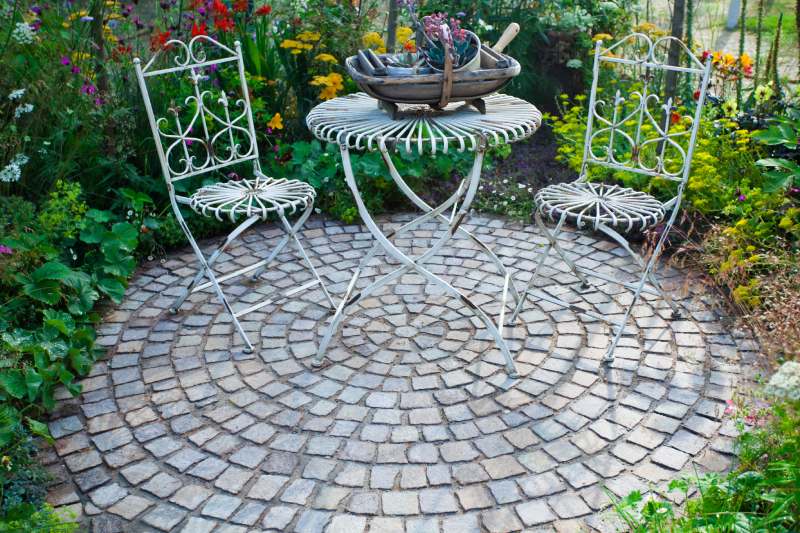
Sydney Round Natural Stone Pavers
Round natural stone pavers, often referred to as stepping stones, disk pavers, or cobblestone circles, offer a unique alternative to traditional square or rectangular paving. Their organic, flowing shape creates visual softness and a sense of movement through a landscape, making them a favourite for Sydney garden paths, feature areas, and bushland settings .
Unlike linear patio pavers that define a rigid space, round pavers invite wandering. They break up large expanses of lawn or gravel, create natural “stepping” rhythms, and can even serve as artistic focal points within a courtyard or native garden. In a city like Sydney, where indoor-outdoor flow is paramount, round stone elements add an artistic, handcrafted feel that complements both coastal breeziness and bushland ruggedness .
Below is a comprehensive guide to round natural stone pavers, including the stone types best suited to Sydney conditions, design applications, installation methods, and where to source them locally.
1. Popular Stone Types for Round Pavers in Sydney
Round pavers are typically cut from larger stone blocks or split from natural boulders. The best choice depends on your aesthetic and the location’s functional demands.
Sandstone Stepping Stones
Appearance: Warm honey, tan, and soft rust tones. Naturally textured, non-slip surface.
Best For: Native gardens, bushland settings, coastal properties, and pathways through lawns.
Why choose it: Sandstone is quintessentially Sydney. It is softer underfoot than granite and weathers beautifully to a soft grey if left unsealed. Its warm tones harmonise perfectly with Sydney’s characteristic gum trees and sandy soils.
Considerations: Sandstone is more porous than bluestone or granite, so it may absorb moisture and can be prone to algae growth in heavy shade if not sealed .
Bluestone (Basalt) Rounds
Appearance: Deep charcoal, muted blue-grey, and near-black tones.
Best For: Modern courtyards, contemporary gardens, contrast against light-coloured gravel or white pebbles.
Why choose it: Bluestone is incredibly dense and durable. It handles heavy foot traffic and is resistant to chipping. The dark colour creates a striking visual anchor in a landscape. Bluestone has been used in major Sydney projects like Darling Square and the UTS Broadway Campus, proving its resilience in high-traffic urban environments .
Considerations: Dark colours can absorb heat on a scorching Sydney summer day, making them less comfortable for bare feet in full sun without shade.
Granite Rounds
Appearance: Speckled patterns in grey, white, black, and pink hues.
Best For: Formal gardens, high-end landscapes, and heritage-style properties.
Why choose it: Granite is one of the hardest natural stones available. It is virtually impervious to wear, staining, and weathering. It was famously used for the new Sydney Harbour Bridge Cycleway, where 133,000 individual cobblestones were hand-laid to create an intricate Indigenous artwork, proving granite’s suitability for even the most demanding public infrastructure projects .
Considerations: Premium price point. The hard, dense surface can feel cold underfoot in winter.
Travertine Rounds
Appearance: Cream, beige, silver, and walnut tones with a soft, velvety texture.
Best For: Poolside stepping paths (stays cool), spa surrounds, and resort-style landscapes.
Why choose it: Travertine remains cool underfoot even in direct summer sun, making it ideal for barefoot traffic. Its soft, neutral tones create a luxurious, tranquil feel .
Considerations: Natural travertine has inherent surface holes (fissures). For stepping stones that will be walked on with bare feet, a filled and honed finish is recommended over unfilled tumbled travertine.
Limestone Rounds
Appearance: Soft cream, light grey, and beige. Fine, subtle texture.
Best For: Formal courtyards, Mediterranean-style gardens, and heritage restorations.
Why choose it: Limestone offers a refined, understated elegance. It blends seamlessly with rendered walls and lush greenery.
Considerations: Limestone is softer and more porous than granite or bluestone. It can be etched by acidic substances (lemon juice, vinegar) and requires more careful maintenance .
2. Design Applications for Sydney Homes
Round pavers are incredibly versatile. Here is how Sydney homeowners and landscapers use them:
Garden Pathways (Stepping Stones)
The most classic application. A winding path of round sandstone or bluestone pavers set into a lawn or gravel bed invites exploration. Space them approximately 500–600mm apart (centre to centre) for a natural, comfortable walking rhythm. For a more accessible path suitable for all ages, space them closer together or consider larger formats.
Feature Stepping Pads in Gravel
Instead of a solid paved patio, consider large round pavers (400mm–600mm diameter) set into a bed of decorative pebbles or crushed granite. This creates a permeable surface that manages stormwater runoff—a significant advantage on Sydney’s sloping blocks—while providing a modern, textural aesthetic.
The “Stepping Stone Lawn”
A popular look in smaller Sydney courtyards where a full lawn isn’t practical. Round pavers are set flush with the soil level, with low-growing ground covers (like Dichondra repens or native violets) planted between them. The result is a soft, green, “no-mow” surface punctuated by natural stone.
Poolside Accents
A few large, round travertine pavers placed near the pool’s edge or as a transition from the pool deck to the outdoor shower area adds a resort-style feel. Travertine’s cool, non-slip properties make it a safe and comfortable choice for wet feet .
Statement Art Pieces
A single, oversized round paver (800mm–1000mm+) can function as a “floating” pad for a fire pit, a large potted plant, or a meditation seat. This creates a deliberate focal point within a garden.
Inspired by Sydney Place: At the landmark Sydney Place project in the CBD, bespoke natural stone pebble-shaped seating was created, reinforcing how round, organic stone forms can be used as both functional and artistic elements within a public space .
3. Sizes and Thicknesses
Round pavers are available in a range of sizes. When selecting, consider both the visual scale of your space and the structural requirements.
| Diameter | Typical Thickness | Best Use |
|---|---|---|
| 200–300mm | 20–30mm | Decorative accents, connecting stepping stones, children’s garden paths |
| 350–450mm | 30–40mm | Standard stepping stones, main garden pathways |
| 500–600mm | 40–50mm | Feature pads, larger walkways, transition zones |
| 700mm+ | 50mm+ | Statement pieces, fire pit bases, seating pads |
Driveway Note: Standard round pavers are generally not rated for vehicle traffic unless they are specifically manufactured as heavy-duty cobblestones (typically 50mm+ thickness and laid on an engineered reinforced concrete base).
4. Installation Methods
The installation method for round pavers differs from standard square paving because there are no straight edges to align and no continuous joints to fill.
Method 1: Set into Lawn (The “Flush” Look)
This is the most common DIY installation for stepping stones across an existing lawn.
Position the Pavers: Lay the round pavers out on the grass, spacing them for a comfortable stride. Walk the path several times to refine the placement.
Trace and Cut: Use a shovel or a half-moon edger to trace around each paver. Remove the turf and approximately 30–40mm of soil.
Compact the Base: Add a 30mm layer of crusher dust or bedding sand into the hole. Compact it firmly.
Set the Paver: Place the round paver into the hole. It should sit flush with the surrounding grass—not raised (which is a trip hazard) or too low (which creates a mud puddle).
Level and Tamp: Use a rubber mallet and a spirit level to ensure the paver is level and stable. Backfill around the edges with soil and re-seed or lay turf plugs.
Method 2: Set into Gravel or Mulch (Dry-Laid)
For garden paths or feature areas.
Excavate: Dig out a shallow trench (approximately 100mm deep) for each paver location, or an entire pathway.
Lay Base: Fill with 75mm of compacted road base or crushed rock, topped with a 25mm screed of bedding sand.
Place Pavers: Set the round pavers into the sand bed, leaving gaps (approximately 30–50mm) between them.
Fill Joints: Sweep fine gravel, crushed granite, or decorative pebbles into the gaps around and between the pavers. This stabilises them while maintaining a permeable surface.
Method 3: Mortared Installation (Permanent)
For pool surrounds, entries, or areas requiring a rigid surface.
Concrete Slab Base: A reinforced concrete slab must be poured as a foundation.
Thinset Mortar: Use a polymer-modified thinset mortar to bond each round paver directly to the concrete slab.
Grout: Fill the joints between pavers with sanded grout.
This method is less common for rounds, as it negates the organic “floating” feel, but it can be used for a “crazy paving” style where rounds are interlocked.
Critical Considerations for All Installations
Drainage: Ensure the path or pad slopes slightly (1-2%) to prevent water pooling on the pavers.
Edge Restraint: For gravel or mulch installations where pavers are laid loosely, install a galvanised steel or plastic edge restraint around the perimeter of the paved area to prevent creeping.
Safety: Avoid spacing that is too wide (over 600mm) or too narrow (under 400mm), as both create tripping hazards. A 500mm centre-to-centre spacing suits most adults.
5. Maintenance Guide (Tested for Australian Conditions)
Round pavers are generally low maintenance, but the specific stone type dictates the care required.
Regular Care (All Stone Types)
Leaf Blow or Sweep: Remove fallen leaves, blossoms, and organic debris promptly. On porous stones (sandstone, limestone), decaying leaves can leave permanent tannin stains.
Hose Down: A regular rinse with a garden hose removes dust and dirt. Avoid high-pressure washers on soft stones like sandstone or limestone—the force can erode the surface.
Sealing Requirements
| Stone Type | Reseal Frequency | Why |
|---|---|---|
| Sandstone | Every 1–2 years | Porous; sealing prevents moisture absorption, staining, and algae growth |
| Limestone | Every 1–2 years | Soft and porous; sealing prevents etching and staining |
| Travertine | Every 2–3 years | Porous; sealing protects the filled surface and prevents moisture ingress |
| Bluestone | Every 3–5 years (optional) | Dense; sealing enhances colour but is not strictly necessary for durability |
| Granite | Every 5+ years (optional) | Extremely dense; sealing primarily for colour enhancement rather than protection |
Sydney Tip: In shaded, south-facing gardens or areas with poor airflow (typical of many inner-Sydney terrace courtyards), algae and moss can grow on the surface of porous stones like sandstone. A light application of a diluted vinegar solution (1 part vinegar to 10 parts water) or a dedicated stone-safe algaecide, followed by gentle scrubbing with a soft brush, will resolve this. Avoid bleach, which can discolour natural stone.
Stain Removal
Oil/Grease (from BBQs or garden tools): Blot immediately. Apply a poultice (a paste made from baking soda and water) and cover with plastic wrap for 24–48 hours to draw the oil out of the stone.
Rust (from pot feet or furniture): Use a specialised stone-safe rust remover. Test on an inconspicuous area first.
Organic (leaves, berries): Clean promptly with a pH-neutral stone cleaner. If a stain has set, a poultice is again the best solution.
6. Cost Guide for Sydney (Approximate)
Round pavers are generally priced per piece rather than per square metre, due to their individual nature. The cost varies significantly based on stone type, diameter, thickness, and finish.
| Stone Type | Approximate Cost per Paver (300–450mm diameter) |
|---|---|
| Sandstone Round | 10–10–30 |
| Limestone Round | 15–15–40 |
| Bluestone Round | 20–20–50 |
| Travertine Round | 25–25–60 |
| Granite Round | 30–30–80+ |
Volume Discounts: Many suppliers offer discounts for purchasing full pallets (e.g., 20–50 pieces). Delivery fees may apply, as stone is heavy.
Installation Cost: If hiring a landscaper, expect to pay 80–80–150 per hour for labour, or a project rate. A simple path of 10–15 stepping stones set into an existing lawn is a half-day job for a professional.
Premium Project Example: The bespoke pebble-shaped natural stone seating at Sydney Place was a high-end, custom-manufactured product, demonstrating that the upper end of “round stone” can be a significant investment for unique, artistic elements .
7. Where to Buy Round Natural Stone Pavers in Sydney
Sydney has numerous suppliers of natural stone. While many stock square and rectangular pavers, not all stock round or circle pavers. Here are suppliers known to carry a wide range of natural stone products, with inquiries recommended:
| Supplier | Location | Notes |
|---|---|---|
| Outdoor & General | Punchbowl (23 Canterbury Rd) | 400+ sqm display area; large range of natural stone pavers; source globally. Check for round/circle options . |
| Harmony Stone Gallery | Marrickville (190 Victoria Rd) | 3000sqm warehouse; huge range including travertine, limestone, sandstone, basalt, granite. Likely to have or can source rounds . |
| Stone Depot Australia | Wetherill Park (181-187 Cowpasture Rd) | Large natural stone importer and wholesaler; stocks cobblestones, steppers, and pool copings. Enquire about round formats . |
| Splendour In Stone | Sydney-wide (online/showroom) | Specialises in natural stone for Sydney’s coastal conditions. Loch Limestone, Silver Travertine, Bluestone. Check for stepping stones . |
| Sam the Paving Man | Greenacre (65 Roberts Rd) | Sydney’s largest paving contractor and natural stone importer. Major projects include Darling Square, UTS, Sydney Harbour Bridge. Likely to supply high-quality rounds . |
| Flower Power Garden Centres | Multiple Sydney locations | Retail garden centres; stock stepping stones and natural pavers from brands like Basque (stepping stones in 300mm and 500mm in Ebony). More accessible for small DIY quantities . |
Shopping Tip: Round pavers are often listed as “circle pavers,” “disk pavers,” “stepping stones,” or “pebbles” (in the case of very large sculptural pieces). When calling a supplier, use these terms.
8. Frequently Asked Questions
Q: Are round pavers slippery when wet?
A: It depends on the finish. Natural cleft (split-face) sandstone, limestone, and travertine have excellent slip resistance. Honed or polished granite rounds can be slippery in wet conditions and are not recommended for pool surrounds or shady, damp areas. For wet areas, choose a tumbled or natural cleft finish.
Q: Can I drive over round pavers?
A: Only if they are specifically rated for driveway use. Standard garden stepping stones (30-40mm thick) will crack under the weight of a car. For vehicle access, you need heavy-duty cobblestones (50mm+ thick) laid on an engineered reinforced concrete base with proper edge restraints.
Q: How far apart should I space round stepping stones?
A: For a natural walking path, 500–600mm from the centre of one paver to the centre of the next is standard. This accommodates an average adult stride. For elderly users or children, space them closer (400–450mm). Test the spacing by walking the path before finalising placement.
Q: Do I need to seal round sandstone pavers in Sydney?
A: Yes, highly recommended. Sydney’s climate means periods of heavy rain followed by intense sun. Sealing prevents moisture penetration (which can cause freeze-thaw spalling in winter, though rare in Sydney) and reduces algae growth in shaded areas. A quality penetrating sealer applied every 1–2 years will keep sandstone looking its best.
Q: Can I cut round pavers to fit a specific shape?
A: Yes, but it requires a wet saw with a diamond blade designed for natural stone. Cutting curves into an already round paver is challenging. It is easier to source the desired diameter or work with a stone mason for custom shapes. For most applications, standard diameters (300mm, 400mm, 500mm) will suffice.
Q: Are round pavers pet-friendly?
A: Yes. Set flush with the surrounding ground, round pavers provide a smooth, cool surface for dog paws. Avoid raised stepping stones that can be tripping hazards for both humans and pets. The natural texture of sandstone or bluestone provides good grip for running dogs, even when wet