
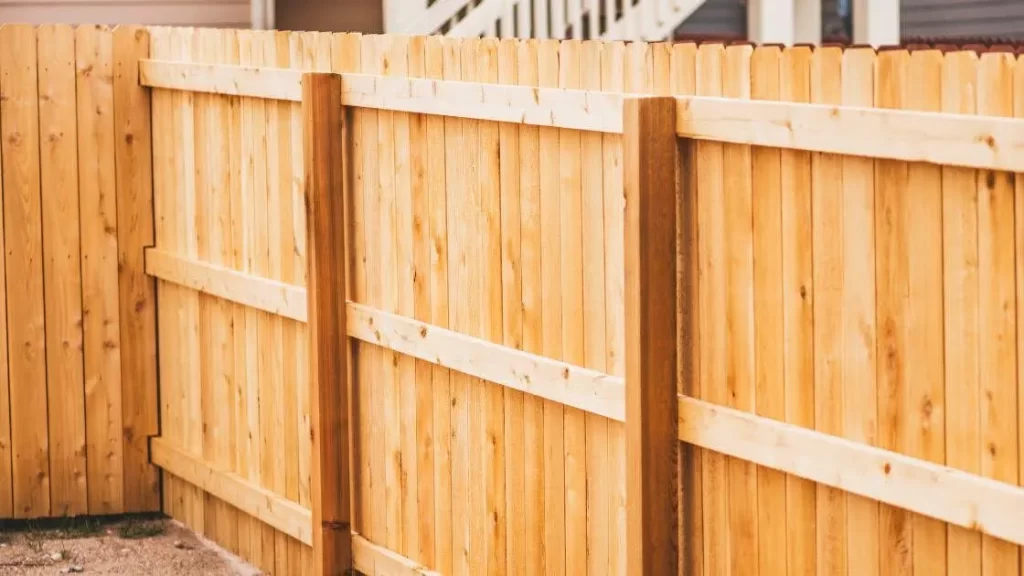
Timber paling fence (plain)
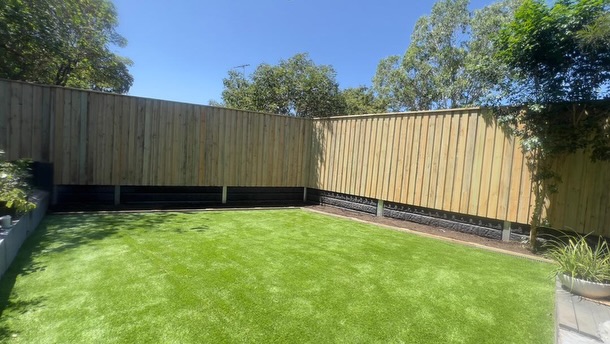
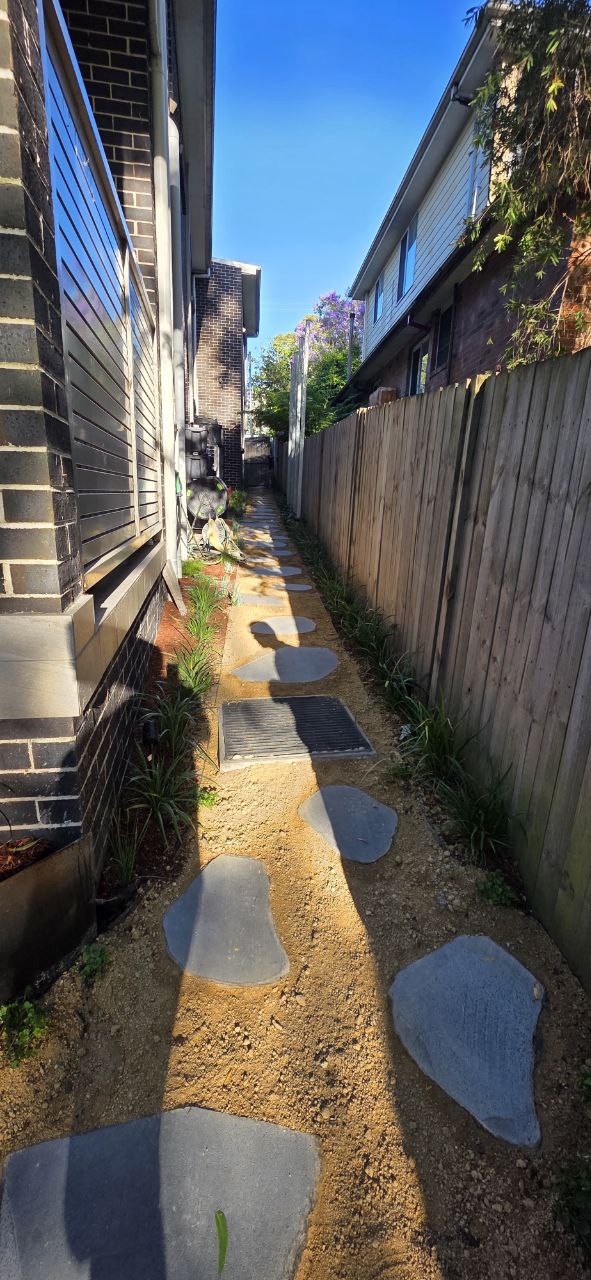
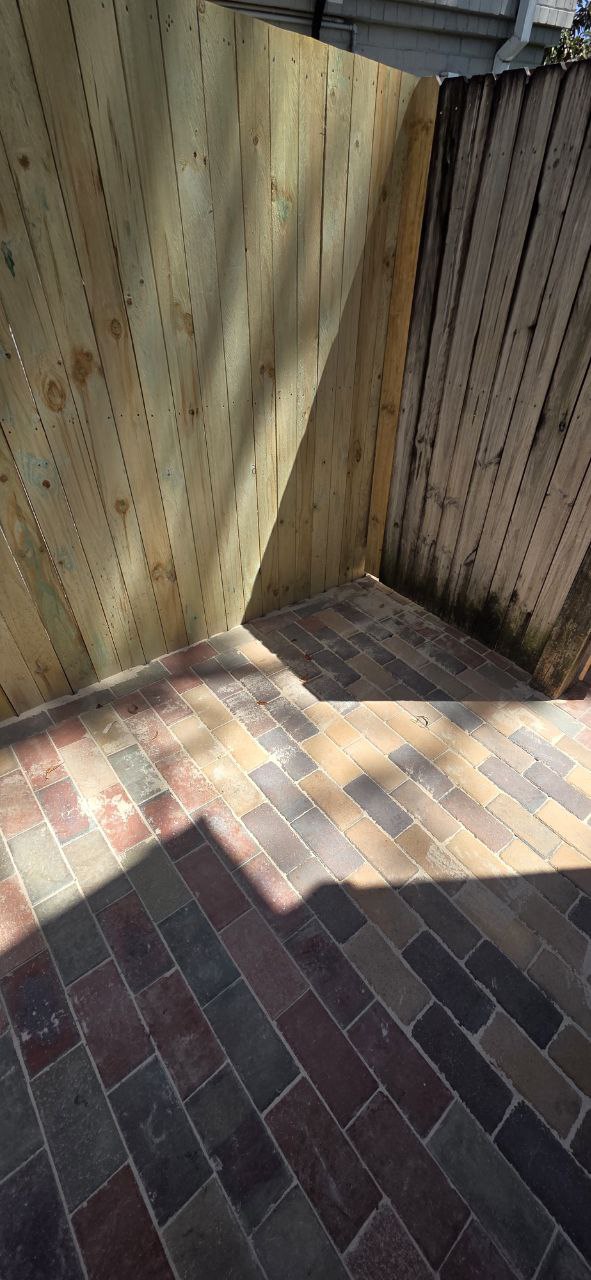
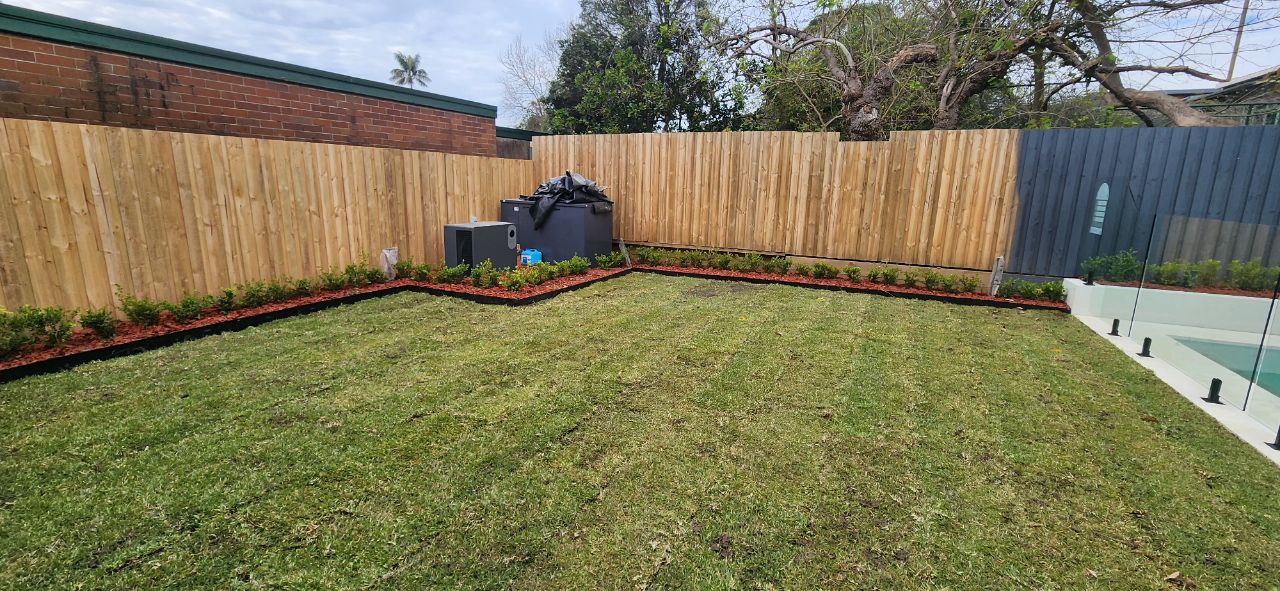
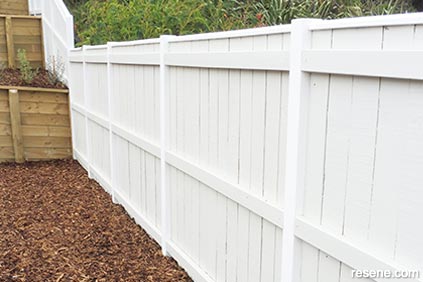
Timber paling fence (painted)
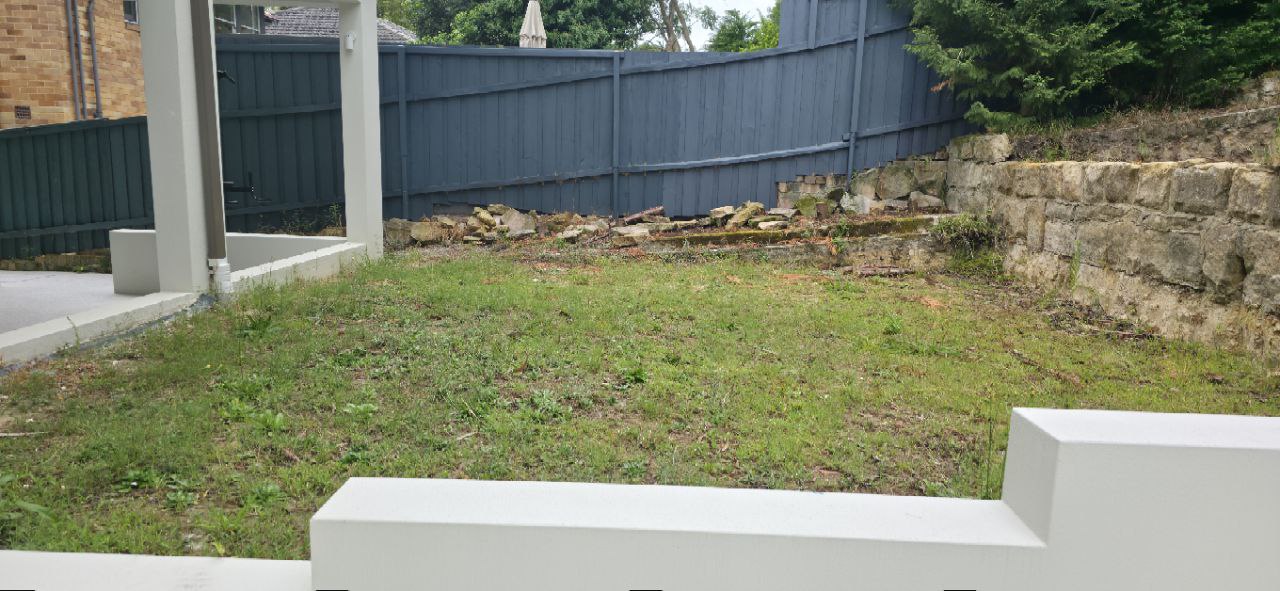
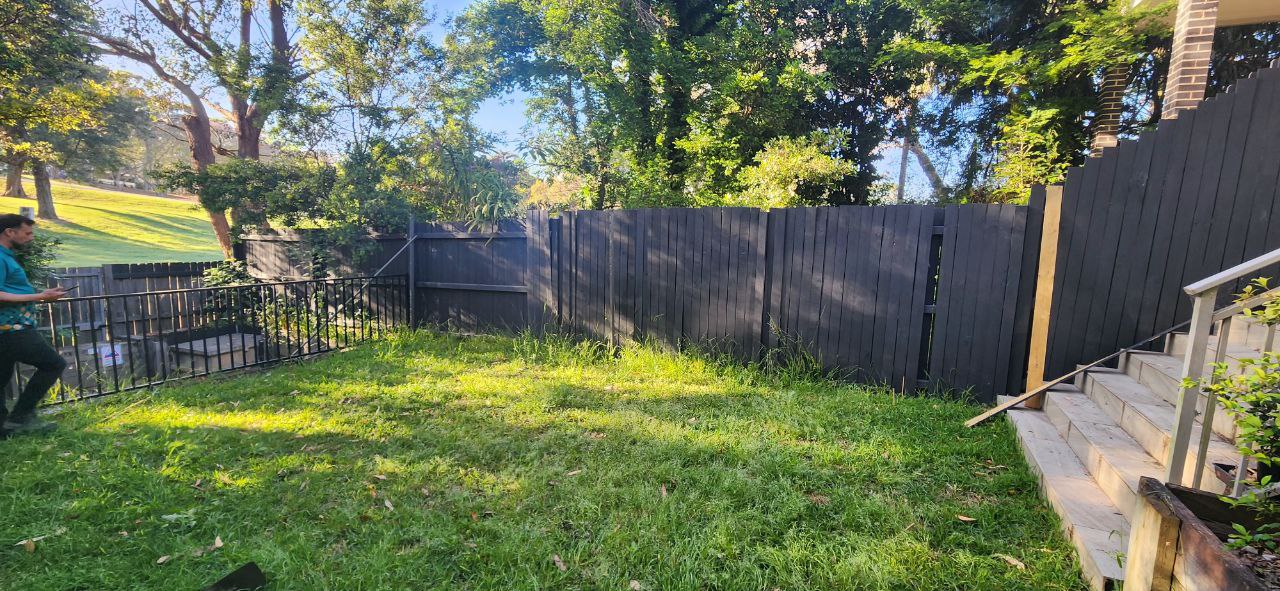
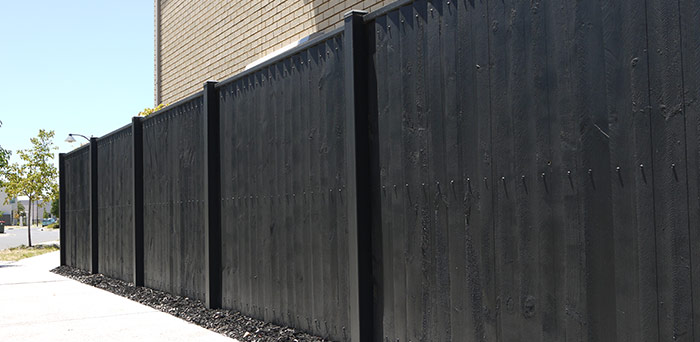
Timber Paling Fencing in Sydney: The Backyard Privacy Standard
For generations, Sydney homeowners have turned to the timber paling fence when they need a simple, effective, and affordable boundary solution. Unlike decorative picket fences or modern metal panels, the timber paling fence is built for one primary job: creating a solid, private, and secure enclosure.
Walk through almost any residential street in Western Sydney, the Inner West, or the Sutherland Shire, and you’ll see them — standing quietly along side boundaries, wrapping around backyards, and shielding swimming pools from curious eyes.
What Exactly Is a Timber Paling Fence?
A timber paling fence consists of vertical timber boards — called palings — attached to horizontal rails, which are themselves fixed to timber or steel posts. The palings are installed edge-to-edge or slightly overlapped, leaving no gaps between them. The result is a continuous timber wall, typically between 1.5 metres and 2.1 metres high.
This design is fundamentally different from a picket fence (which has deliberate gaps) or a Colorbond fence (which uses steel sheeting). Timber paling is the workhorse of Sydney fencing — unpretentious, sturdy, and highly effective.
Why Sydney Homeowners Keep Choosing Timber Paling
Despite the rise of Colorbond, aluminium slat, and composite materials, timber paling fencing remains one of the most requested options in Sydney. Here’s why.
1. Unmatched Privacy for Family Living
When you’re hosting a weekend barbecue, watching kids play on the grass, or simply relaxing after work, you don’t want neighbours watching. A timber paling fence blocks 100% of direct sightlines — something that louvred or slatted fences cannot promise.
2. Sound Reduction Without Extra Cost
Solid timber absorbs and deflects more noise than metal sheeting, which can vibrate and transmit sound. In suburbs near train lines (like Homebush or Westmead) or busy roads (like Parramatta Road), a timber paling fence offers a noticeably quieter backyard.
3. Easy Repairs and Modifications
One of the biggest frustrations with panel fencing is damage. A single cracked or dented Colorbond panel often means buying a whole new section. With timber paling, you simply:
Remove the damaged paling
Cut a matching board to size
Nail or screw it in place
The repair takes 15 minutes and costs under $15.
4. Paint-Friendly Surface
Timber takes paint beautifully. If your home’s exterior changes colour, your fence can change with it. White, Monument grey, heritage green, or deep charcoal — a painted timber paling fence looks cohesive and intentional.
5. Neighbour-Friendly Negotiation
Boundary fences in NSW are typically shared costs under the Dividing Fences Act 1991. Timber paling is often the compromise both neighbours accept: it’s cheaper than Colorbond, more private than chain wire, and more traditional than modern alternatives.
Sydney Climate Challenges and How to Beat Them
Sydney’s climate varies dramatically from the coast to the mountains. Your timber paling fence needs to handle:
| Challenge | Affected Areas | Solution |
|---|---|---|
| High humidity | Inner West, Parramatta, Northern Beaches | Use treated pine (H3 or H4) with drainage gaps |
| Salt spray | Cronulla, Manly, Coogee | Stainless steel nails + hardwood timber |
| Termites | Blacktown, Liverpool, Campbelltown | H5-treated posts or steel posts + termite barrier |
| Bushfire embers | Blue Mountains, Camden, Hawkesbury | Bushfire-rated timber (Cypress) or check BAL rules |
| Heavy rain | All Sydney | Keep palings 50mm above soil to prevent wicking |
Choosing the Right Timber for Your Sydney Fence
Not all timber palings are equal. Here is a straightforward guide.
Treated Pine — The Budget-Friendly Standard
What it is: Pine wood pressure-impregnated with preservatives
Lifespan: 10–15 years with basic care
Cost: 2–2–5 per paling
Best for: Most Sydney suburbs where budget matters
Watch out for: Lower quality batches can warp if not stored properly
Cypress Pine — The Natural Performer
What it is: Native Australian cypress with natural oils
Lifespan: 15–20 years untreated
Cost: 4–4–8 per paling
Best for: Bushfire-prone areas (BAL 12.5 and 19)
Watch out for: Can be knotty; hand-select boards if visible finish matters
Hardwood (Ironbark, Tallowwood, Spotted Gum)
What it is: Dense, slow-grown Australian eucalypts
Lifespan: 20–25+ years
Cost: 8–8–15 per paling
Best for: Coastal suburbs and premium builds
Watch out for: Very heavy; requires post-hole digging equipment
What to Avoid
Untreated Meranti – Imported rainforest timber that rots rapidly in Sydney’s humidity
Non-structural grade pine – Too soft; splits when nailed near ends
Recycled palings – Often carry termites or hidden rot
Standard Paling Fence Specifications in Sydney
Most professional installers follow these dimensions unless customised:
| Component | Typical Specification |
|---|---|
| Paling width | 100mm – 150mm |
| Paling thickness | 19mm or 25mm |
| Paling spacing | Butt-jointed (no gaps) |
| Number of rails | 2 rails for 1.5m, 3 rails for 1.8–2.1m |
| Rail size | 75mm x 50mm treated pine |
| Post type | Treated pine or galvanised steel |
| Post spacing | 2.4m – 3.0m centres |
| Post size | 100mm x 75mm or 100mm square |
| Clearance from ground | 50mm minimum |
Council Rules for Timber Paling Fences in Sydney
You generally do not need a Development Application (DA) for a side or rear timber paling fence if:
Height is 1.8 metres or less
The fence is not on a heritage item or in a conservation area
It does not obscure a corner sightline (corner blocks)
However, local councils do vary. Here are a few real examples:
| Council Area | Max Rear Fence Height | Special Notes |
|---|---|---|
| City of Parramatta | 1.8m | No approval needed if complying |
| Northern Beaches | 1.8m | Timber preferred over Colorbond in some precincts |
| Canterbury-Bankstown | 1.8m | Must be 900mm from kerb on corner blocks |
| The Hills Shire | 2.1m with neighbour consent | 1.8m standard without approval |
| Wollondilly (Macarthur) | 1.8m | Bushfire requirements apply |
📌 Always email your council’s duty planner with the address and fence dimensions. Most reply within a week.
Installation Process: What to Expect
If you hire a professional fencing contractor in Sydney, here is the typical workflow:
Site inspection – Check boundary lines, underground services (Dial Before You Dig), and access
Post hole digging – Usually 600mm deep x 250mm wide
Concreting posts – Rapid-set concrete; allow 24 hours to cure
Fixing rails – Galvanised batten screws or nails
Attaching palings – One by one, with a spirit level every few boards
Capping (optional) – Timber capping along the top for a finished look
Gates – Hinged, drop bolt, and latch installation
Cost Guide for Timber Paling Fencing in Sydney (2025)
All prices below are estimates for supply and professional installation, including GST. Remove old fence extra (10–10–20 per metre).
| Specification | Approx. Cost per Metre |
|---|---|
| 1.5m treated pine, 2 rails | 110–110–150 |
| 1.8m treated pine, 3 rails | 140–140–190 |
| 1.8m cypress pine | 170–170–230 |
| 1.8m hardwood | 240–240–350 |
| 2.1m treated pine (neighbour consent required often) | 170–170–220 |
| Timber capping (optional) | +20–20–35 per metre |
| Single gate (1.0m wide) | 350–350–550 each |
Cost Factors That Increase Price
Rock or clay excavation – Adds 20–20–50 per post hole
Poor site access – Carrying materials through the house
Sloping ground – Stepped fencing takes longer
Heritage area compliance – May require specific timber profiles
Maintenance Schedule for Long Life
A timber paling fence is not “set and forget”. But the work is light and infrequent.
Every 6 Months:
Walk the fence line after heavy rain
Trim back plants touching the timber
Clear soil or mulch away from base
Every 2 Years:
Check for termite mudding on posts
Look for soft spots (poke with a screwdriver)
Re-nail any popping palings or rails
Every 4–5 Years:
Hose off green mould or mildew
Apply water-based fence paint or timber oil
Replace any rotted palings (individual boards)
💡 Painting a timber paling fence costs roughly 10–10–20 per metre if you DIY, or 30–30–50 per metre for professional spraying.
Common Complaints and How to Avoid Them
| Complaint | Why It Happens | Fix |
|---|---|---|
| Palings warp | Green timber used wet; one side painted only | Paint all sides before installation |
| Posts rot at ground level | Untreated timber in soil | Use H5 posts or galvanised steel posts |
| Fence leans | Shallow post holes or sandy soil | Dig 600mm min; concrete properly |
| Neighbour dispute | Fence not on true boundary | Hire a registered surveyor first |
Timber Paling vs Other Sydney Fencing Options
| Feature | Timber Paling | Colorbond | Aluminium Slat | Bamboo Screen |
|---|---|---|---|---|
| Privacy | Full | Full | Partial | Full (but thin) |
| Initial cost | $$ | $$$ | $$$$ | $ |
| Lifespan | 10–20 years | 20–30 years | 25+ years | 5–10 years |
| Maintenance | Moderate | None | Low | Low |
| Repair ease | Very easy | Hard | Moderate | Moderate |
| Natural look | Yes | No | Modern only | Tropical only |
| Wind resistance | Good | Excellent | Excellent | Poor |
Is Timber Paling Fencing Right for You?
Choose timber paling if:
You want solid privacy at a reasonable price
Your property is in an established suburban area
You may want to paint the fence to match landscaping
You share a boundary with neighbours who prefer traditional materials
You like being able to repair damage yourself
Consider other options if:
You live directly on a beachfront (salt spray eats timber faster)
You have zero interest in maintenance (choose Colorbond instead)
Your council area restricts timber fencing (rare, but check)
You want a very modern, minimalist look (aluminium slat may suit better)
Final Thoughts for Sydney Homeowners
The timber paling fence endures for good reason. It answers the basic needs of a suburban backyard: privacy, security, and a clear boundary between your family’s space and the rest of the world. It won’t win design awards, but it doesn’t need to. It works.
If you’re planning a new fence, start by walking your boundary with your neighbour. Discuss heights, styles, and cost-sharing early. Then choose H3-treated pine from a reputable Sydney timber yard (not a big-box hardware store). Hire a local fencer with recent reviews. And remember — 50mm clearance from soil is the single most important detail for longevity.
Your fence will stand for a decade or more. Build it well.