
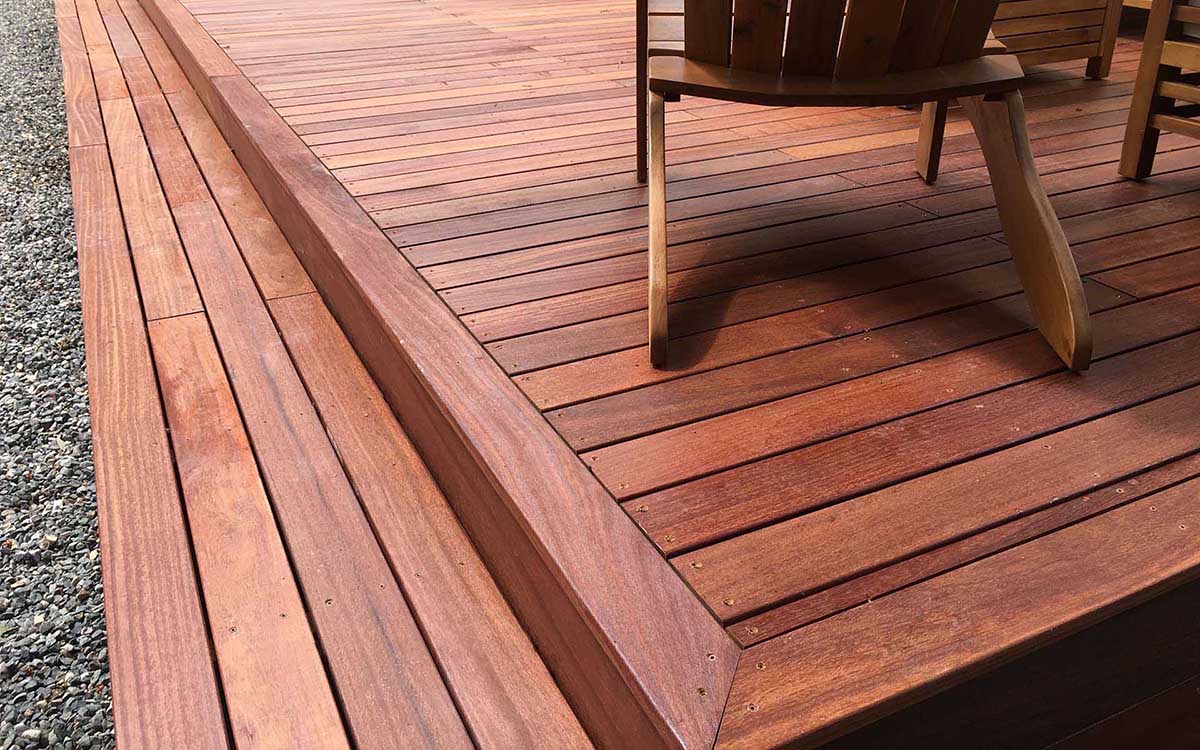
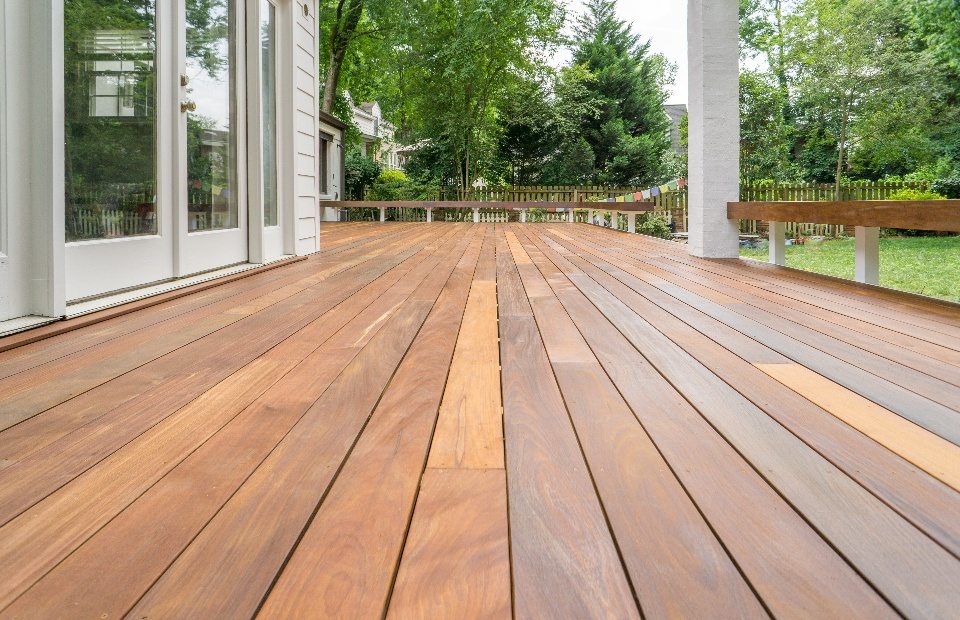
There is a reason hardwood decking has been the gold standard for Australian homes for generations.
It is not just the warmth underfoot. It is not just the rich, natural colours that seem to glow in the late afternoon sun. It is the feeling of authentic, honest, natural material—timber that tells a story, that ages with grace, that adds genuine character and value to your home.
At Sydney Landscaping Pty Ltd, we are passionate about premium hardwood decking. We source only the finest Australian and select-grade imported hardwoods. We install them with meticulous craftsmanship. And we have been doing so for over a decade across North Ryde and the greater Sydney region.
If you want a deck that is beautiful, durable, and genuinely adds value to your property, real hardwood is unbeatable.
Why Choose Hardwood Decking? The Timber Lover’s Choice
Composite and aluminium have their places. But for the homeowner who loves natural materials, who appreciates grain and texture, and who doesn’t mind a little annual care in exchange for timeless beauty—hardwood is the only answer.
Unmatched Natural Beauty
No factory can replicate what nature creates. The swirling grain of Spotted Gum. The rich, deep red of Jarrah. The warm honey tones of Blackbutt. Hardwood decking has depth, character, and life that synthetic materials simply cannot match.
Genuine Property Value
Ask any real estate agent in Sydney: a real timber deck adds more resale value than composite or aluminium. Buyers can smell the difference. They can feel the warmth. A premium hardwood deck is a genuine asset, not just an outdoor floor.
Incredible Durability (50+ Years)
Yes, you read that correctly. A properly installed and maintained hardwood deck can last 50 years or more. Some of Sydney’s oldest homes still have their original hardwood verandahs. Composite warranties run out at 25 years. Hardwood just keeps going.
Naturally Resistant (Termites & Rot)
Many Australian hardwoods—including Spotted Gum, Blackbutt, and Ironbark—have natural durability ratings of Class 1 or 2. This means they are inherently resistant to termites and fungal decay without chemical treatment. Nature already solved the problem.
Ages Beautifully
Unlike composite, which fades unevenly or aluminium, which stays exactly the same forever, hardwood decking ages with grace. It develops a beautiful silver-grey patina if left unsealed, or deepens into richer tones when oiled. Every year adds character.
Our Premium Hardwood Decking Range
Sydney Landscaping Pty Ltd offers a carefully curated selection of the finest hardwoods for Sydney conditions. All timbers are FSC-certified or sourced from sustainable plantations where available.
1. Spotted Gum Hardwood Decking (The Australian Icon)
Spotted Gum is widely regarded as the ultimate Australian decking timber. Native to the NSW and Queensland coasts, it combines stunning aesthetics with outstanding performance.
Appearance: Variable grain with colours ranging from pale grey through to rich brown. Distinctive “spotted” appearance when viewed up close.
Durability: Class 1 (highest rating) – naturally termite and rot-resistant
Hardness: Very high (Janka 11kN)
Best for: Coastal homes, modern architecture, high-traffic areas
Look: Sophisticated, organic, uniquely Australian
2. Blackbutt Hardwood Decking (The Bushfire Hero)
Blackbutt gets its name from the appearance of its bark after fire—it blackens while the tree survives. This resilience makes it the go-to timber for bushfire-prone areas.
Appearance: Pale blonde to light brown with subtle, straight grain
Durability: Class 1 – naturally termite resistant
Hardness: High (Janka 9.1kN)
BAL Rating: Up to BAL 29 (ideal for bushfire zones)
Best for: Hamptons-style homes, bushfire-prone properties, light-filled spaces
Look: Clean, bright, and contemporary
3. Merbau Decking (The Affordable Classic)
Merbau (also known as Kwila) is a stunning Southeast Asian hardwood that has become Australia’s most popular decking timber for good reason. It offers exceptional value without compromising on beauty.
Appearance: Rich reddish-brown with striking yellow/orange highlights when freshly cut
Durability: Class 1 – naturally durable
Hardness: High (Janka 7.5kN)
Best for: Budget-conscious homeowners who still want genuine hardwood
Look: Warm, traditional, and inviting
Note: Merbau can leach tannins when new. We apply a tannin-blocker to prevent staining of surrounding surfaces.
4. Jarrah Decking (The Western Australian Treasure)
Jarrah is a dense, rich red hardwood from Western Australia. It is famous for its deep, luxurious colour and extreme durability. It has been used for railway sleepers and bridge construction for over a century.
Appearance: Deep red to dark purple/brown, fine and even grain
Durability: Class 1 (exceptionally durable)
Hardness: Very high (Janka 8.5kN)
Best for: Statement decks, heritage homes, premium projects
Look: Rich, bold, and unmistakably premium
5. Ironbark Decking (The Heavyweight Champion)
Ironbark is one of the hardest and densest timbers in the world. It is so dense that it sinks in water. This is not a timber for the faint-hearted—it is for those who want the absolute best.
Appearance: Deep dark brown to almost black, with tight, interlocking grain
Durability: Class 1 (exceptional)
Hardness: Extreme (Janka 14kN)
Best for: Rural properties, high-abuse areas, commercial applications
Look: Dark, dramatic, and incredibly sophisticated
Note: Requires pre-drilling for every single screw. We do this as standard.
Comparison Table: Our Hardwood Range
| Timber | Colour | Janka Hardness | Durability Class | BAL Rating | Price |
|---|---|---|---|---|---|
| Spotted Gum | Grey to brown | 11 kN | Class 1 | BAL 12.5 | $$$ |
| Blackbutt | Pale blonde | 9.1 kN | Class 1 | BAL 29 | $$$ |
| Merbau | Rich red-brown | 7.5 kN | Class 1 | Not rated | $$ |
| Jarrah | Deep red/purple | 8.5 kN | Class 1 | BAL 12.5 | $$$$ |
| Ironbark | Dark brown/black | 14 kN | Class 1 | BAL 12.5 | $$$$ |
Hardwood vs. Composite vs. Bamboo vs. Aluminium: The Honest Comparison
We sell all four, so we can give you an unbiased view. Here is where hardwood wins—and where it doesn’t.
| Factor | Hardwood | Composite | Bamboo | Aluminium |
|---|---|---|---|---|
| Natural Beauty |  (unmatched) (unmatched) | (simulated) | (unique nodes) | (industrial) |
| Warmth Underfoot | (natural warmth) | (neutral) | (warm) | (cold metal) |
| Durability | (50+ years) | (25–30 years) | (20–25 years) | (50+ years) |
| Maintenance | (annual oiling) | (very low) | (every 2–3 years) | (zero) |
| Termite Resistance | (naturally resistant) | (immune) | (thermally modified) | (immune) |
| BAL Fire Rating | (varies, Blackbutt good) | (limited) | (limited) | (BAL 40) |
| Sustainability | (slow growth) | (recycled content) | (fast renewal) | (mining impact) |
| Resale Value | (highest) | (moderate) | (emerging) | (niche) |
Our honest advice:
Choose hardwood if you love natural beauty, don’t mind annual maintenance, and want the highest resale value.
Choose composite if you want wood-look with very low maintenance.
Choose bamboo if sustainability is your top priority.
Choose aluminium if you are in a high BAL bushfire zone or want zero maintenance forever.
The Sydney Landscaping Hardwood Installation Process
Hardwood decking demands respect. These timbers are dense, heavy, and unforgiving of poor technique. Our team has installed hundreds of hardwood decks across Sydney. We know exactly how to do it right.
Step 1: Free In-Home Consultation
We visit your property to assess the site, discuss your timber preferences, and understand your budget. We bring physical samples so you can see the true colours in your own light.
Step 2: Timber Selection & Quotation
We provide a fixed-price quote based on your chosen timber. We explain the pros and cons of each species for your specific site (sun exposure, slope, shade, proximity to pool).
Step 3: Subframe Construction
Hardwood decks need a robust substructure. We use H4-treated pine or galvanised steel joists at 450mm centres. The subframe is laser-levelled to ensure a perfectly flat finished deck.
Step 4: Acclimatisation & Installation
Hardwood boards need time to acclimatise to Sydney’s humidity before installation. We store them on-site for 5–7 days before cutting. Every board is hand-selected for grain and colour consistency. Every screw is pre-drilled to prevent splitting.
Step 5: Sanding, Oiling & Handover
We sand the entire deck to a smooth finish, then apply the first coat of premium UV-protective decking oil. We provide you with the remaining oil and a simple maintenance schedule. We clean the site completely before handover.
Maintaining Your Hardwood Deck: The Simple Truth
Hardwood decking does require maintenance. Anyone who tells you otherwise is not being honest. But here is the reality: it is not difficult. It is just annual.
The Annual Hardwood Deck Maintenance Schedule:
| Frequency | Task | Time Required |
|---|---|---|
| Weekly | Sweep away leaves and debris | 5 minutes |
| Monthly | Hose down and spot-clean spills | 10 minutes |
| Every 12 months | Light clean with deck wash, apply one coat of oil | Half a day |
That is it. Half a day once per year. In exchange, you get a deck that is stunning, natural, warm, and genuinely valuable.
What you do NOT need to do: No sanding (unless you let it go for 5+ years). No sealing (oil does the job). No filling of cracks (hardwood moves naturally).
Pro tip: Schedule your annual oiling for late spring. The weather is mild, and the deck will look perfect for summer entertaining.
Frequently Asked Questions (FAQ)
Q: Which hardwood is best for a Sydney coastal home?
A: Spotted Gum or Blackbutt. Both are naturally salt-tolerant and have excellent durability ratings. Spotted Gum has been used for decades in coastal boardwalks and jetties.
Q: Which hardwood is best for a bushfire-prone area?
A: Blackbutt. It has a natural BAL rating of up to 29, meaning it meets requirements for most bushfire-prone zones. For BAL 40 zones, you will need aluminium decking instead.
Q: Does hardwood decking splinter?
A: Properly installed and maintained hardwood decking should not splinter. Splinters occur when timber dries out and is left unsealed. Our annual oiling schedule keeps the fibres supple and splinter-free.
Q: Can I install hardwood decking myself to save money?
A: We strongly advise against it. Hardwood is extremely dense and heavy. Mistakes are expensive. Pre-drilling is essential. Subframe spacing is critical. Improper installation leads to warping, cupping, and premature failure. Our installation comes with a workmanship warranty.
Q: How long does a hardwood deck last in Sydney’s climate?
A: With proper maintenance, 40–50 years is realistic. Many of Sydney’s Federation and Californian Bungalow homes still have their original hardwood verandahs—some over 100 years old.
Q: Does hardwood decking get hot in summer?
A: All decking materials get warm in direct sun. However, timber has natural insulative properties and stays significantly cooler than composite or aluminium. Light-coloured hardwoods like Blackbutt are coolest underfoot.
Q: Do you service only North Ryde?
A: While North Ryde is our home base, Sydney Landscaping Pty Ltd operates across all of Sydney—from the Northern Beaches to the Sutherland Shire, and from the Inner West to the Hills District.
The Hidden Pitfalls of Cheap Hardwood Decking (And How We Avoid Them)
Not all hardwood decking is equal. Here is what we see from inferior suppliers—and what we do differently.
| Pitfall | Cheap Hardwood | Sydney Landscaping Approach |
|---|---|---|
| Unstable green timber | Warps, cups, and cracks | We use kiln-dried, stable timber |
| Mixed-grade boards | Ugly sapwood, knots, and defects | We hand-select premium-grade boards |
| No pre-drilling | Split boards around every screw | We pre-drill every single hole |
| Poor subframe | Bouncy, uneven deck | Laser-levelled H4-treated pine or steel |
| Cheap oil | Fades within months | Premium UV-protective Australian-made oil |
We do not cut corners. We cannot afford to—our reputation depends on it.
Real Sydney Project: The Federation Home Restoration
Location: North Ryde (heritage-style home)
Challenge: The owners wanted to replace a rotting, poorly-built pine deck with something that suited their 1920s Federation home. They needed authenticity, warmth, and longevity.
Solution: We installed 40m² of Jarrah hardwood decking in a traditional 90mm board width. We matched the oil colour to the home’s original detailing.
Result: The deck looks like it has always been there. The rich red of the Jarrah complements the brick and timber of the home perfectly. The owners oil it annually. It will outlive them—and probably the next owners too.