
Timber Lapped and Capped Fencing in Sydney: Plain vs Painted, Which Finish Is Right for Your Property?
A timber lapped and capped fence is one of the most popular styles you’ll see across Sydney backyards, and it’s easy to see why. The “lapped” part refers to the way the timber palings overlap each other slightly along the fence line, which gives it a neat, layered look while also closing up any small gaps that a standard butt-jointed fence might have. Add a capping rail along the top, and you get a finished, tidy edge that not only looks sharp but also helps protect the exposed end grain of the palings from rain and sun damage. It’s a style that suits a huge range of homes, from classic Federation cottages in the Inner West to modern builds out in the Hills District, because it strikes a nice balance between privacy, style, and practicality.
Understanding Timber Lapped and Capped Fencing
What Is a Timber Lapped and Capped Fence?
Definition and key characteristics of lapped and capped timber fencing.
How overlapping vertical timber palings create a private boundary.
The purpose of the horizontal capping rail and supporting rails.
Common residential and commercial applications in Sydney.
Why Timber Lapped and Capped Fencing Is Popular in Sydney
Suitability for traditional, contemporary, and landscaped properties.
Privacy and screening benefits for suburban homes.
Natural timber aesthetics and versatility.
Practical considerations for Sydney’s changing weather conditions.
How Sydney Landscaping Pty Ltd Can Help With Timber Fencing
Overview of professional timber fencing services.
Custom fencing solutions for different property layouts.
Importance of quality materials, workmanship, and installation planning.
How to approach a fencing project from initial consultation to completion.
How Lapped and Capped Fences Work
The Main Components of a Timber Lapped and Capped Fence
Timber palings and their overlapping arrangement.
Horizontal rails and their structural role.
Fence posts, post spacing, and ground anchoring.
Capping rails and protective finishing details.
Fixings, nails, screws, and other installation materials.
How a Lapped and Capped Fence Is Constructed
Preparing the fence line and establishing levels.
Installing posts and horizontal rails.
Positioning overlapping palings to minimise gaps.
Fitting the capping rail and completing the structure.
Inspecting alignment, stability, and finish quality.
Common Timber Lapped and Capped Fence Designs
Standard full-height privacy fencing.
Decorative capping profiles and finishing options.
Different paling widths and overlap configurations.
Fence designs suited to sloping or uneven ground.
Customised styles for front gardens, backyards, and side boundaries.
Why Choose Timber Lapped and Capped Fencing?
Privacy and Visual Screening
How overlapping palings reduce direct visibility.
Creating private outdoor living and entertaining spaces.
Screening neighbouring properties and unwanted views.
Understanding the limitations of privacy on sloping sites and around fence ends.
Strength, Stability, and Everyday Durability
How the supporting rails and capping contribute to the fence structure.
The importance of suitable timber, fixings, and post foundations.
Factors that affect resistance to movement, impact, and weather.
Maintenance practices that support long-term performance.
Natural Appearance and Landscape Integration
Complementing lawns, garden beds, and established trees.
Coordinating fencing with decks, pergolas, and outdoor entertaining areas.
Choosing natural timber finishes or painted surfaces.
Matching the fence to the property’s architectural style.
Noise Reduction, Wind Screening, and Other Practical Benefits
How solid timber fencing may help soften everyday neighbourhood noise.
Screening wind and providing shelter in suitable garden layouts.
Defining outdoor zones for pets, children, and recreation.
Explaining why performance depends on fence height, gaps, site exposure, and construction.
Timber Selection and Material Quality
Choosing the Right Timber for a Sydney Fence
Comparing commonly available softwood and hardwood fencing options.
Understanding treated pine and its typical applications.
Considering hardwood options where suitable for the project.
Evaluating durability, appearance, availability, and budget.
Selecting timber appropriate for ground contact, exposure, and intended use.
Timber Grades, Treatment, and Durability Ratings
Understanding timber grading and suitability for timber fencing.
The purpose of preservative treatment.
Distinguishing timber treatment from natural durability.
Checking product specifications and treatment requirements.
Selecting compatible materials for posts, rails, and palings.
Fence Posts, Rails, Fixings, and Capping Materials
Choosing posts that suit the fence height and site conditions.
Selecting rails that provide adequate structural support.
Understanding corrosion-resistant nails, screws, and connectors.
Choosing capping profiles and suitable end-grain protection.
Ensuring all components are compatible with the selected timber treatment.
Design Planning and Property Requirements
Choosing the Right Fence Height and Layout
Assessing privacy needs and property boundaries.
Balancing appearance, airflow, and outdoor usability.
Accounting for changes in ground level.
Planning gates, corners, returns, and access points.
Checking applicable height restrictions before finalising the design.
Boundary Identification and Neighbour Considerations
Confirming the legal boundary before installation.
Understanding shared fencing responsibilities.
Discussing proposed fence designs with adjoining owners.
Addressing existing fences, retaining walls, and encroachments.
Identifying when a surveyor or legal advice may be appropriate.
Sydney Council Regulations, Approvals, and Compliance
Understanding NSW rules that may apply to residential fencing.
Checking relevant council planning controls and exemptions.
Considering restrictions near roads, driveways, and intersections.
Reviewing pool barrier requirements where applicable.
Confirming any additional requirements for heritage properties, easements, or retaining walls.
Cost and Budget Planning
How Much Does a Timber Lapped and Capped Fence Cost in Sydney?
Factors influencing the total project cost.
Fence length, height, design complexity, and access conditions.
Material quality and timber selection.
Labour, excavation, post installation, and waste removal.
Why site-specific quotes are more reliable than generic price estimates.
Understanding the Main Components of a Fencing Quote
Materials and delivery costs.
Labour and installation charges.
Removal and disposal of an existing fence.
Additional work involving sloping ground or difficult access.
Gate installation, finishing, and other optional extras.
Clarifying inclusions, exclusions, and warranty terms.
How to Budget for Long-Term Value
Comparing initial installation costs with expected service life.
Allowing for cleaning, repairs, and protective treatments.
Evaluating repairability and replacement costs.
Balancing upfront savings against material quality.
Identifying where professional installation may reduce avoidable future expenses.
Professional Installation and Project Management
Preparing Your Property for Fence Installation
Measuring the fence line and confirming the scope.
Identifying underground utilities and site hazards.
Clearing vegetation and arranging access.
Coordinating removal of existing fencing.
Confirming boundary details and any required approvals.
The Step-by-Step Timber Fence Installation Process
Setting out the fence line and post positions.
Excavating post holes and preparing foundations.
Installing and aligning the posts.
Attaching horizontal rails and fitting overlapping palings.
Installing capping rails and finishing details.
Conducting final checks for alignment, stability, and workmanship.
Why Professional Fence Installation Matters
Achieving consistent paling overlap and spacing.
Maintaining straight fence lines and uniform heights.
Ensuring appropriate post foundations and structural support.
Reducing avoidable installation errors and material waste.
Coordinating fencing work with landscaping and other property improvements.
Common Installation Challenges in Sydney Properties
Sloping and uneven terrain.
Rocky soil and difficult excavation.
Restricted side access and established gardens.
Drainage concerns and retaining wall interfaces.
Coastal exposure and moisture-related timber deterioration.
Managing unexpected underground obstructions.
Maintenance, Repairs, and Longevity
How to Maintain a Timber Lapped and Capped Fence
Routine visual inspections.
Cleaning dirt, organic growth, and surface debris.
Checking capping rails, posts, palings, and fixings.
Maintaining drainage and limiting persistent moisture.
Applying suitable coatings or protective treatments when needed.
Common Timber Fence Problems and Their Causes
Timber rot and fungal deterioration.
Warping, splitting, and shrinkage.
Loose nails, screws, and rails.
Leaning posts and unstable foundations.
Termite risks and other timber-damaging pests.
Coating failure, discolouration, and weathering.When to Repair or Replace an Existing Fence
Identifying localised damage that can be repaired.
Assessing widespread rot and structural instability.
Replacing damaged palings, rails, or capping sections.
Evaluating the condition of existing posts and foundations.
Comparing repair costs with full replacement.
Planning a replacement that complies with current applicable requirements.
Comparing Fencing Alternatives
Timber Lapped and Capped Fencing vs Standard Timber Palings
Differences in construction and appearance.
Privacy and gap coverage.
Material requirements and installation complexity.
Maintenance considerations and expected performance.
Choosing the most suitable option for the property.
Timber Lapped and Capped Fencing vs Colorbond Fencing
Natural timber appearance versus a manufactured metal finish.
Privacy, durability, and maintenance requirements.
Design flexibility and landscape integration.
Differences in installation and long-term upkeep.
Matching fencing materials to property style and budget.
Timber Lapped and Capped Fencing vs Other Privacy Fence Designs
Comparison with paling-and-cap-and-cover configurations and related timber styles.
Comparison with horizontal timber fencing.
Suitability of modular and composite fencing alternatives.
Differences in visual appeal, maintenance, and repairability.
Selecting an option based on site requirements and personal preferences.
Sustainability and Responsible Timber Choices
Environmentally Responsible Timber Fencing
Considering timber sourced from responsibly managed forests.
Understanding relevant forestry certification schemes.
Reducing material waste through accurate measurements.
Reusing or recycling suitable materials where practical.
Disposing of treated timber in accordance with applicable requirements.
Improving the Environmental Performance of Your Fence
Choosing durable materials suitable for the intended exposure.
Extending service life through appropriate maintenance.
Selecting coatings and treatments for the specific application.
Minimising unnecessary replacement and construction waste.
Considering the full life cycle of fencing materials.
Choosing a Sydney Timber Fencing Contractor
What to Look for in a Professional Fencing Company
Relevant experience with lapped and capped timber fences.
Evidence of previous work and workmanship quality.
Clear, itemised quotes and project specifications.
Appropriate insurance, licensing where required, and compliance practices.
Communication, scheduling, and after-installation support.
Questions to Ask Before Hiring a Fence Installer
What timber species and treatment specifications are proposed?
What is included in the quoted price?
How will sloping ground and drainage be managed?
Who is responsible for checking boundaries and approvals?
What workmanship and material warranties apply?
How will variations, delays, and unexpected site conditions be handled?
Why Consider Sydney Landscaping Pty Ltd for Your Timber Fence Project?
Positioning the brand around practical, property-specific fencing solutions.
Explaining the importance of careful planning and quality materials.
Highlighting relevant fencing and landscaping experience, where substantiated.
Presenting the consultation and quoting process.
Encouraging prospective customers to discuss their fencing requirements.
Including genuine project photographs, customer testimonials, and service-area information where available.
Project Examples and Real-World Applications
Timber Lapped and Capped Fencing for Residential Backyards
Creating private garden and entertaining spaces.
Defining boundaries around family outdoor areas.
Integrating fencing with planting and lawn layouts.
Selecting finishes to complement existing homes.
Fencing Solutions for Sloping and Challenging Blocks
Planning stepped or raked fence lines.
Managing changes in ground clearance.
Coordinating fences with retaining structures.
Addressing drainage, access, and soil conditions.
Timber Fencing for Rental Properties and Investment Homes
Balancing durability, appearance, and maintenance costs.
Prioritising practical repairs and replacement planning.
Improving privacy and defining property boundaries.
Considering tenant safety and applicable compliance requirements.
Is Timber Lapped and Capped Fencing Right for Your Sydney Property?
Recap the main privacy, appearance, and practical benefits.
Summarise the importance of timber selection and sound construction.
Highlight the role of maintenance in long-term performance.
Reinforce the value of checking boundaries, regulations, and project costs.
Explain how Sydney Landscaping Pty Ltd can help customers assess their options.
End with a clear call to action to request a tailored fencing quote.
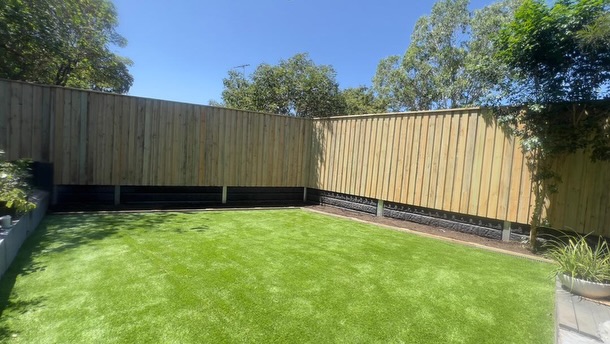
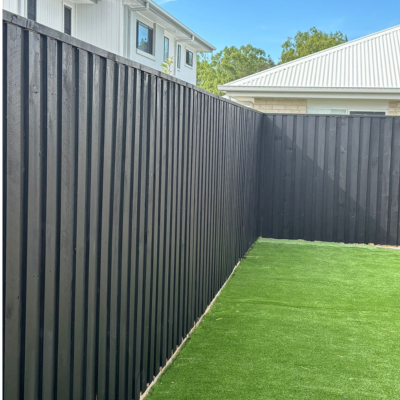
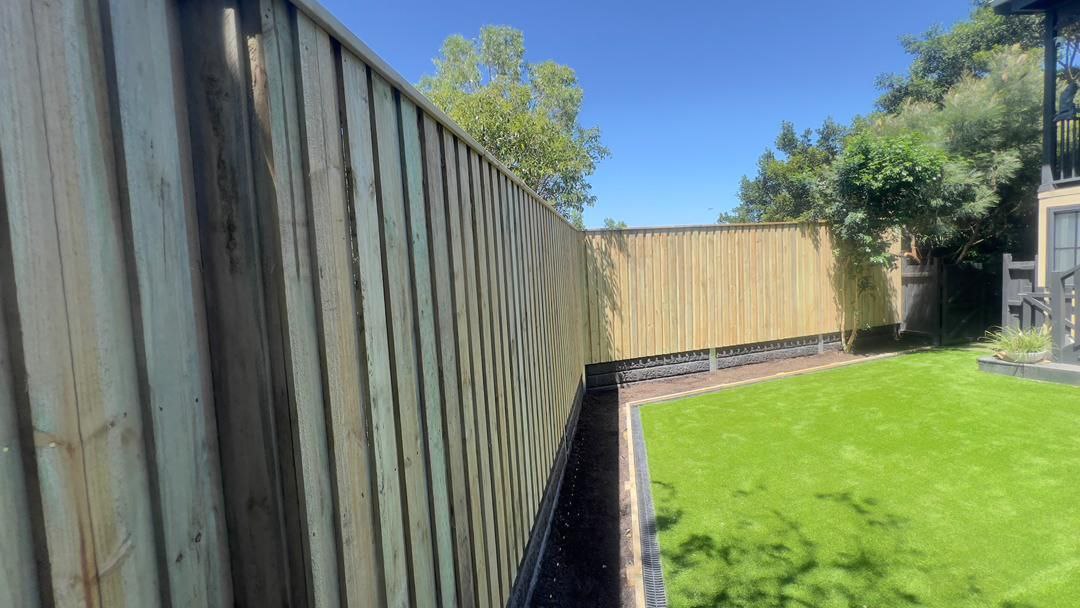
A Timber lapped and capped fence offers a sturdy, well-composed boundary with a distinctly traditional character. Constructed from overlapping timber boards, the design creates a dense, sheltered frontage while the capping rail provides a crisp finishing line along the upper edge. Its substantial profile makes it particularly suitable for gardens, residential perimeters, and spaces where privacy and resilience are equally important. The natural grain of the timber also lends the fence an organic quality that can sit comfortably alongside both established landscaping and more contemporary exteriors.
Beyond its practical virtues, a Timber lapped and capped fence can impart a quietly refined appearance without seeming ostentatious. The overlapping boards help diminish gaps and visual intrusion, while the capped top adds definition and assists in protecting the timber from prolonged exposure to the elements. With suitable treatment and periodic maintenance, the structure can retain its robust appearance for years, weathering gracefully as the timber matures. It is a dependable choice for anyone seeking a boundary that combines solidity, privacy, and understated visual appeal.
Beyond the looks, a lapped and capped fence is genuinely a smart choice for Sydney’s climate. The overlapping palings add extra strength against wind, which matters when you’ve got exposed coastal suburbs like Cronulla or Manly copping strong gusts off the water. The capping on top also plays a real functional role, it stops water from pooling on the end grain of each paling, which is one of the main reasons timber fences start to rot and warp over time.
That said, like any timber fence, it’ll still need a bit of TLC down the track: think regular staining or sealing every couple of years to keep it looking fresh and to fend off the humidity and termites Sydney is known for. Done right, though, a timber lapped and capped fence can easily give you fifteen-plus years of solid, good-looking service.
Drive through almost any established Sydney neighbourhood, from the leafy streets of Wahroonga to the coastal avenues of Cronulla, and you will notice a particular fence style standing quietly along property boundaries. It looks substantial. It offers complete privacy. And it has a neat, finished appearance that sets it apart from standard paling fences.
This is the timber lapped and capped fence, one of Sydney’s most popular and enduring fencing choices.
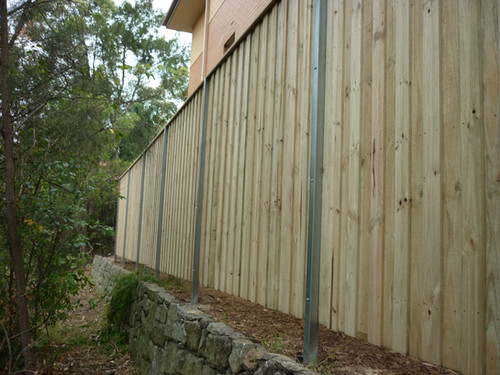
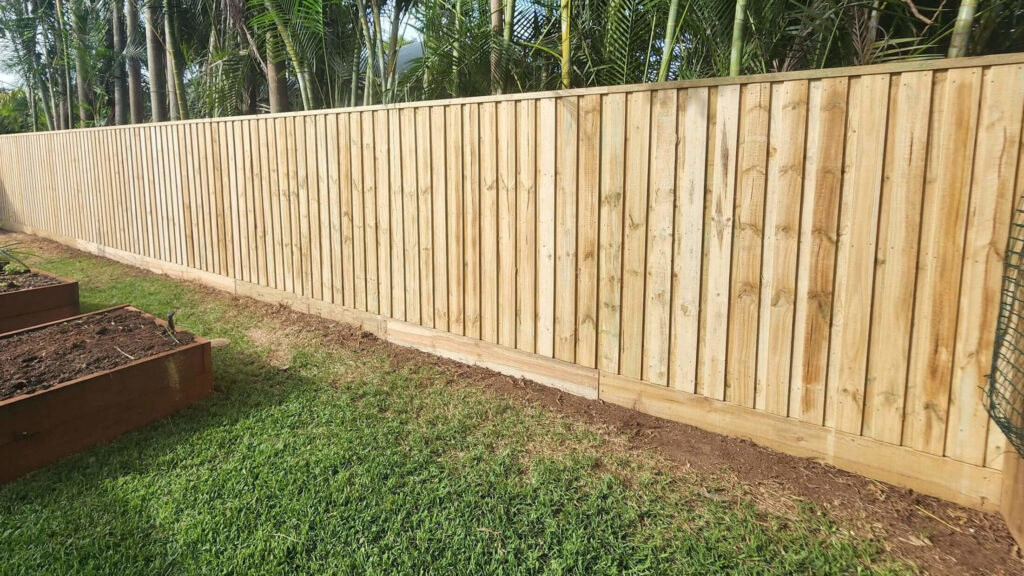
Unlike standard paling fences where vertical boards are butted edge-to-edge, a lapped and capped fence features overlapping palings (each board overlaps the next) with a protective capping board running along the top. The result is a fence that offers superior privacy, better weather resistance, and a more polished look.
But once you have decided on the style, a key question remains: plain or painted?
This guide covers both options in detail , including design, timber selection, cost breakdowns, maintenance schedules, and what works best in Sydney’s unique climate.
What Is a Timber Lapped and Capped Fence?
Before comparing plain versus painted finishes, it is worth understanding exactly what this fence style is and why it has become so popular across Sydney.
The Design
A lapped and capped fence consists of three main components :
| Component | Description | Function |
|---|---|---|
| Vertical palings | Timber boards installed with each board overlapping the next (typically 25–50mm overlap) | Creates a solid, gap-free barrier |
| Horizontal rails | Support beams (usually 2 or 3 per fence height) attached to posts | Provides structural strength |
| Capping board | Timber board fixed horizontally across the top of the palings | Protects the end grain from weather; creates finished look |
How Lapping Works
In a standard paling fence, boards are butted together edge-to-edge. When timber expands and contracts with moisture changes (common in Sydney’s climate), gaps can appear between boards, compromising privacy.
In a lapped fence, each board overlaps the next by approximately 25–50mm. This means:
When timber shrinks (dry summers), the overlap reduces, but no gaps appear
When timber expands (humid conditions), boards have room to move without buckling
Total privacy is maintained year-round, even in extreme weather
The Capping Advantage
The capping board is more than just decorative :
Weather protection – Stops rain from penetrating the end grain of vertical palings (the most vulnerable part)
Reduces warping – Helps keep palings straight by holding them in alignment
Prevents water pooling – Sheds water away from the fence structure
Finished appearance – Creates a clean, professional top edge
Plain vs Painted, What’s the Difference?
| Feature | Plain (Unpainted/Untreated) | Painted |
|---|---|---|
| Finish | Natural timber colour; may be oiled or stained | Solid colour coating (opaque) |
| Appearance | Organic, rustic, traditional | Clean, uniform, modern or heritage |
| Protection level | Low to moderate (unless sealed/oiled) | High (full moisture and UV barrier) |
| Maintenance frequency | Every 1-2 years (oil/stain) | Every 5-7 years |
| Initial cost | Lower | Higher (paint + labour) |
| Best for | Rural properties, bush settings, budget-conscious | Suburban homes, heritage areas, street-facing fences |
Why Sydney Homeowners Choose Lapped and Capped Fencing
1. Complete, Year-Round Privacy
The overlapping design ensures that no gaps appear even when timber moves with weather changes. For a backyard that is truly private, where neighbours cannot see through, this is a significant advantage over standard butt-joined paling fences.
2. Superior Durability
The capping board protects the most vulnerable part of the fence: the end grain of the palings. End grain absorbs moisture like a straw, leading to rot from the top down. A properly installed cap prevents this, extending fence life considerably.
3. Noise Reduction
The double-thickness effect of overlapping timber (particularly where boards overlap) helps dampen sound more effectively than single-layer fences. In busy Sydney suburbs near roads or train lines, this makes a noticeable difference.
4. Aesthetic Versatility
Lapped and capped fences suit both modern and traditional homes. The clean top line works with contemporary architecture, while the timber texture complements federation, Victorian, and Californian bungalow styles.
5. Property Value
A well-built lapped and capped fence signals quality. Real estate agents consistently note that well-fenced properties, particularly with premium fence styles, attract more buyer interest and often achieve higher prices.
Timber Choices for Lapped and Capped Fences in Sydney
The timber you choose affects how your fence looks, how long it lasts, and whether you will paint it or leave it plain.
Timber Species Comparison
| Timber Type | Durability | Cost (Supply Only) | Best for Plain? | Best for Paint? | Sydney Suitability |
|---|---|---|---|---|---|
| Treated Pine | 10-15 years | 75–120/m | Yes (with oil/stain) | Yes (most common) | Most suburbs; affordable |
| Cypress Pine | 15-20 years | 120–180/m | Yes (natural oils) | Yes | Bushfire zones, termite areas |
| Hardwood | 20-25+ years | 80–125/m | Yes (stunning natural finish) | Yes (premium look) | Coastal, high-end projects |
Treated Pine — The Sydney Standard
Treated pine is by far the most popular choice for lapped and capped fencing across Sydney. It is:
Affordable — Significantly cheaper than hardwood
Lightweight: Easier to handle and install
Treatable: H3 (above-ground) or H4 (in-ground contact) treatment resists termites and rot
Paint-friendly: Accepts paint or stain readily
Sydney tip: For coastal suburbs like Manly, Cronulla, or Bondi, treated pine performs well when properly sealed or painted . For bushfire-prone areas (Blue Mountains, Hawkesbury), Cypress pine offers natural fire resistance without chemical treatment.

Hardwood, The Premium Choice
Hardwood species like Blackbutt, Spotted Gum, and Ironbark are denser and stronger than pine. They:
Last significantly longer (20-25+ years)
Have stunning natural grain patterns
Are naturally resistant to termites and rot (depending on species)
Cost considerably more
Hardwood is often left plain (clear oiled or sealed) to showcase the natural timber beauty.
Plain Timber Lapped and Capped Fences
A “plain” lapped and capped fence does not necessarily mean completely untreated. It refers to a fence finished with clear or semi-transparent coatings that preserve the natural timber appearance rather than covering it with solid paint.
What “Plain” Means in Practice
| Finish Type | Appearance | Protection Level | Maintenance |
|---|---|---|---|
| Completely untreated | Raw timber, will weather to silver-grey | Minimal | Very high (fails quickly) |
| Clear timber oil | Natural colour enhanced, slightly darker | Moderate | Every 1-2 years |
| Semi-transparent stain | Natural grain visible, colour added | Good | Every 2-3 years |
| Natural wax or seal | Matte, natural look | Low-moderate | Every 1-2 years |

Visual Characteristics of Plain Timber
A plain lapped and capped fence offers:
Visible timber grain- The natural patterns and character of the wood remain visible
Warm, organic appearance: Blends naturally with gardens and landscaping
Colour variation: Subtle differences between boards add visual interest
Silver-grey aging : If left unsealed (not recommended), timber naturally weathers to a silvery colour
Best Timber for Plain Finish
| Timber | Natural Colour | Best Coating | Why |
|---|---|---|---|
| Cypress Pine | Golden honey to light brown | Clear oil | Natural oils protect; beautiful warm tone |
| Hardwood | Range from pale cream (Blackbutt) to deep red (Ironbark) | Clear sealer or natural stain | Grain patterns are stunning; painting would hide character |
| Treated Pine | Greenish tint (from treatment) | Semi-transparent stain | Treatment colour is not attractive; stain improves appearance |
Pros of Plain (Clear-Finished) Timber
Natural beauty: The timber’s character and grain remain visible
Lower initial cost: No paint materials or labour
Easier touch-ups: Oiling over existing oil is simpler than repainting
Blends with gardens : Natural materials complement landscaping
No peeling concerns: Oils and stains fade rather than peel
Cons of Plain Timber
More frequent maintenance: Oiling or staining every 1-2 years
Less UV protection: Clear finishes offer less UV resistance than paint
Colour changes over time : Even with oil, timber darkens or fades
Treatment colour visible :Treated pine’s greenish tint may show through clear coatings
Maintenance for Plain Lapped and Capped Fences
| Task | Frequency | Details |
|---|---|---|
| Clean | Annually | Hose down; mild detergent for mould |
| Inspect for damage | Every 6 months | Check for rot, loose boards, termites |
| Re-oil or re-stain | Every 1-2 years | Depends on sun exposure and coating type |
| Replace damaged palings | As needed | Individual boards can be replaced |
Plain fence lifespan with proper maintenance: 15-25 years
Painted Timber Lapped and Capped Fences
A painted lapped and capped fence receives a solid, opaque coating that completely covers the timber grain. This is the most common choice for suburban Sydney homes.
Why Paint a Lapped and Capped Fence?
| Reason | Explanation |
|---|---|
| Ultimate protection | Paint creates a complete moisture and UV barrier |
| Colour control | Match your house, trims, or neighbourhood aesthetic |
| Longer between maintenance | 5-7 years vs 1-2 years for oil |
| Covers treatment colour | Hides the greenish tint of treated pine |
| Heritage compliance | Many Sydney conservation areas require painted finishes |
Popular Paint Colours for Sydney Fences
| Colour | Best For | Aesthetic |
|---|---|---|
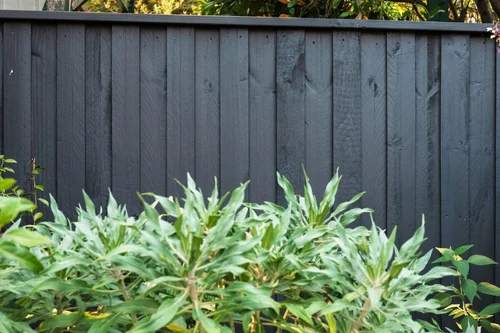
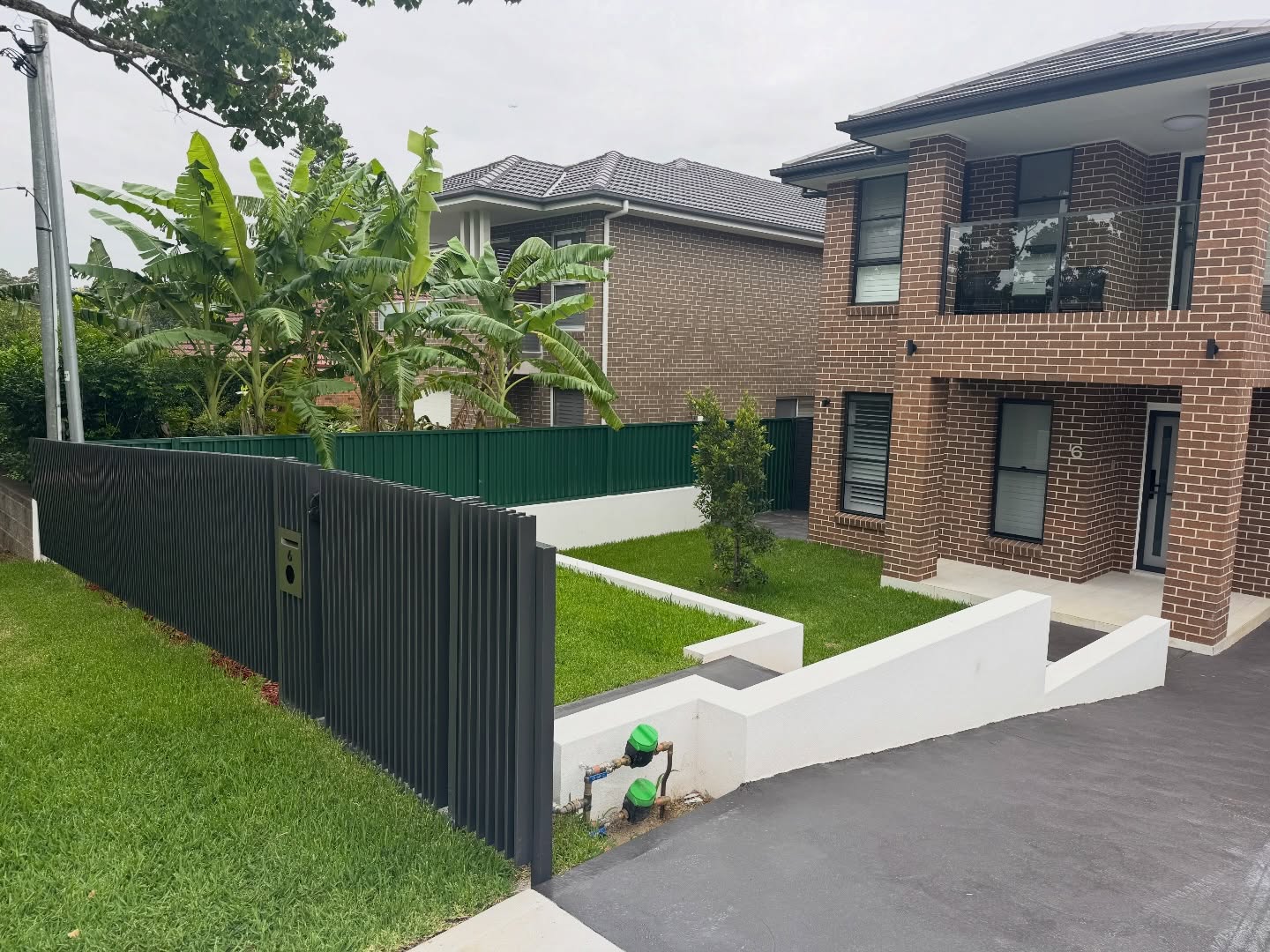
| Monument (dark charcoal) | Modern homes; dramatic contrast with greenery | Contemporary |
| Surfmist (off-white) | Coastal homes; light and airy feel | Fresh, beachy |
| Woodland Grey (mid-grey) | Most suburban homes; neutral and versatile | Classic |
| Dune (warm beige-grey) | Homes with sandstone or earth tones | Natural |
| Basalt (dark grey) | Contemporary; less harsh than Monument | Modern |
| PAP (Pale Avocado) | Heritage areas (specific period colours) | Traditional |
| White | Federation and Victorian homes; crisp and clean | Heritage |
Paint Types for Timber Fences
| Paint Type | Durability | Best For | Notes |
|---|---|---|---|
| Exterior acrylic (low sheen) | 5-7 years | Most Sydney homes | Breathable; resists peeling |
| Exterior acrylic (gloss) | 5-7 years | Statement fences | Shows imperfections more |
| Oil-based enamel | 5-8 years | Heritage applications | Harder finish; yellowing possible |
| Dulux Weathershield | 5-7 years | Premium choice | Specifically designed for Australian conditions |
Professional Painting Process for Lapped and Capped Fences
A professional fence painting job follows these steps :
| Step | Task | Why Important |
|---|---|---|
| 1. Assessment | Inspect fence condition, timber type, and damage | Identifies repairs needed before painting |
| 2. Cleaning | Pressure wash or hose with detergent | Removes dirt, mould, and loose paint |
| 3. Repairs | Replace rotten palings, secure loose boards, fix caps | Ensures paint adheres to sound timber |
| 4. Sanding | Smooth rough surfaces and edges | Prepares for primer adhesion |
| 5. Priming | Apply timber primer (especially to end grain) | Seals timber; prevents tannin bleed |
| 6. Painting | Apply 2 coats of quality exterior paint | Provides full coverage and protection |
| 7. Inspection | Check for misses, drips, and coverage | Ensures quality finish |
Cost to Paint a Lapped and Capped Fence in Sydney
Paint costs for Sydney fences in 2025-2026 :
| Fence Length | One Side Only | Both Sides | Approx. Time |
|---|---|---|---|
| Up to 10 metres | 300–500 | 500–900 | Half to one day |
| 10 – 20 metres | 500–900 | 900–1,500 | One day |
| 20 – 40 metres | 800–1,400 | 1,400–2,500 | One to two days |
| 40+ metres (full boundary) | 1,200–2,000 | 2,000–3,500 | Two to three days |
Cost per square metre: 15–30
Cost per linear metre: 30–50
Pros of Painted Timber
Superior protection — Paint provides the best barrier against Sydney’s sun, rain, and humidity
Longer between maintenance — 5-7 years vs annual oiling
Colour flexibility — Match your home, neighbourhood, or council requirements
Hides imperfections — Covers treatment colour, knots, and grain variations
Easier cleaning — Painted surfaces hose down more easily
Cons of Painted Timber
Higher initial cost — Paint materials and labour add 30–50 per metre
Peeling risk — If poorly prepared, paint can peel and look worse than no paint
Harder to change colour — Repainting requires proper preparation
Hides natural grain — If you like timber character, painting covers it completely
Requires primer — Especially important on treated pine
Maintenance for Painted Lapped and Capped Fences
| Task | Frequency | Details |
|---|---|---|
| Hose down | Every 6 months | Remove dust, dirt, and spiderwebs |
| Inspect for damage | Annually | Check for peeling, cracking, or chalking |
| Spot repair | As needed | Touch up scratches or small damaged areas |
| Full repaint | Every 5-7 years | Professional repaint; may only need one coat over sound paint |
Painted fence lifespan with proper maintenance: 15-25 years (the paint may need refreshing, but the timber remains protected)
Plain vs Painted — Direct Comparison
| Factor | Plain (Clear-Finished) | Painted |
|---|---|---|
| Initial cost (materials) | Lower (oil/stain only) | Higher (primer + paint) |
| Initial cost (labour) | Lower (faster application) | Higher (more coats, more careful work) |
| Maintenance frequency | Every 1-2 years | Every 5-7 years |
| Annual maintenance cost | Higher (more frequent) | Lower (less frequent) |
| UV protection | Low-moderate | Excellent |
| Moisture protection | Moderate | Excellent |
| Termite visibility | Easier to spot early signs | Harder to see beneath paint |
| Colour options | Limited to natural timber tones | Unlimited |
| Hides timber treatment | No (tint visible) | Yes |
| Heritage compliance | May be restricted in some areas | Often required in conservation zones |
| DIY friendliness | Easier (oil/stain more forgiving) | Harder (requires good prep) |
| Long-term timber health | Good (breathes) | Excellent (sealed completely) |
Cost Guide for Lapped and Capped Fences in Sydney (2025-2026)
New Fence Installation (Supply Only)
Based on industry pricing for timber fencing :
| Timber Type | Approx. Cost per Metre (Materials) |
|---|---|
| Treated Pine | 75–120 |
| Hardwood | 80–125 |
| Cypress Pine | 100–160 |
New Fence Installation (Supply + Install)
| Timber Type | Plain Finish (Unpainted) | Painted Finish (Professional) |
|---|---|---|
| Treated Pine (1.8m) | 120–180 | 180–250 |
| Treated Pine (2.1m) | 150–220 | 210–290 |
| Hardwood (1.8m) | 180–250 | 240–320 |
| Cypress Pine (1.8m) | 160–230 | 220–300 |
Note: These are estimates. Final costs depend on site access, ground conditions, removal of old fences, and specific timber grades.
Ongoing Maintenance Costs (Annualised)
| Cost Type | Plain (Oil/Stain) | Painted |
|---|---|---|
| Materials per metre (each application) | 5–15 | 10–20 |
| Labour per metre (professional) | 15–30 | 20–40 |
| Frequency | Every 1-2 years | Every 5-7 years |
| Annualised cost (professional) | 10–30 per metre/year | 4–8 per metre/year |
Sydney Climate Considerations
Sydney’s climate varies significantly across the metropolitan area. Your location affects how your plain or painted fence will perform.
Coastal Suburbs (Manly, Cronulla, Bondi, Coogee)
| Factor | Impact | Recommendation |
|---|---|---|
| Salt spray | Accelerates timber degradation; corrodes fittings | Paint is strongly recommended; use 316 stainless steel hardware |
| High humidity | Promotes mould and mildew | Both plain and painted need cleaning; paint offers better protection |
| Intense UV | Fades clear finishes rapidly | Paint lasts longer between applications |
Verdict for coastal: Painted fences perform significantly better. If you prefer plain, use hardwood with high-quality marine-grade clear sealer and reapply every 12 months.
Western Sydney (Parramatta, Penrith, Blacktown, Liverpool)
| Factor | Impact | Recommendation |
|---|---|---|
| Extreme summer heat (40°C+) | Causes timber expansion and contraction | Both work; ensure proper overlap (25mm+) for movement |
| Low humidity periods | Timber dries and shrinks | Lapped design prevents gaps — this is where lapped excels |
| Termite risk | High in many Western suburbs | Painted fences can hide termite damage; plain allows earlier detection |
| UV intensity | Very high | Paint offers superior UV protection |
Verdict for Western Sydney: Both work well. Paint offers better UV protection; plain allows easier termite inspection. Some homeowners choose plain for visibility of termite mudding.
North Shore and Hills District
| Factor | Impact | Recommendation |
|---|---|---|
| Moderate climate | Generally less extreme | Both options viable |
| Aesthetic preferences | Often traditional or heritage-conscious | Paint suits heritage areas; plain suits bush settings |
| Tree cover | Many leafy suburbs | Fallen leaves and debris — both need regular cleaning |
Verdict for North Shore/Hills: Paint for street-facing fences (kerb appeal); plain for rear boundaries in bushland settings.
Bushfire-Prone Areas (Blue Mountains, Hawkesbury, Camden)
| Factor | Impact | Recommendation |
|---|---|---|
| BAL (Bushfire Attack Level) requirements | Specific timber and finish requirements | Cypress pine (plain) often preferred; paint must be non-flammable |
| Ember attack | Burning embers can ignite timber | Check council BAL requirements before choosing finish |
Verdict for bushfire zones: Cypress pine with clear finish (natural fire resistance) often specified. Painted fences must use fire-rated paint systems, check with your council.
Council Rules for Lapped and Capped Fences in Sydney
General Guidelines
| Location | Maximum Height | Notes |
|---|---|---|
| Side and rear boundaries | 1.8m standard; up to 2.1m with neighbour consent | Lapped and capped design is generally permitted |
| Front boundary | 1.2m typical | Lapped and capped may be considered too solid for front yards in some areas |
| Heritage conservation areas | Varies | Specific colour and style requirements |
When You May Need Approval
Fence height exceeds council limits
Property in a heritage conservation area (painted finishes often required)
Corner block with sightline restrictions
Front boundary fence over 1.2m
Strata or community title properties (additional covenants)
Heritage Area Notes
In suburbs like Glebe, Balmain, Woollahra, and parts of Mosman:
Painted finishes are often mandated
Specific colours may be required (e.g., PAP — Pale Avocado — for certain periods)
Plain timber may be prohibited on street-facing boundaries
Capping profile may need to match period styles

DIY vs Professional Installation and Painting
Fence Installation
| Aspect | DIY | Professional |
|---|---|---|
| Lapped design complexity | Moderate (requires precise spacing) | Low (experienced team) |
| Tools required | Post hole digger, saw, level, nail gun | All provided |
| Time (40m fence) | 2-3 weekends | 2-3 days |
| Cost savings | 40–80 per metre | Higher cost, warranty included |
| Risk of errors | High (incorrect overlap causes gaps) | Low |
Painting the Fence
| Aspect | DIY | Professional |
|---|---|---|
| Equipment | Brushes, rollers, or sprayer | Professional spray equipment |
| Time (40m fence, both sides) | 3-5 days | 1-2 days |
| Quality | Variable (depends on skill) | Consistent, professional finish |
| Cost savings | 15–30 per metre saved on labour | Higher cost, better result |
| Best for | Small fences, accessible locations | Large fences, hard-to-reach areas, heritage requirements |
Frequently Asked Questions
How long does a lapped and capped fence last?
With proper maintenance, 15-25 years. Painted fences typically last toward the higher end of this range due to superior protection.
Do I need to paint both sides of the fence?
Not necessarily, but it helps. Painting the side facing your neighbour is generally not required unless specified in a boundary agreement. However, painting only one side can lead to differential moisture absorption and potential warping. For best results, paint both sides or at least apply a clear sealer to the rear.
Can I paint an existing plain lapped and capped fence?
Yes, provided the timber is in good condition. The process requires:
Cleaning thoroughly
Sanding to create a key for paint
Applying appropriate primer (especially important for treated pine)
Two coats of quality exterior paint
How often does a painted fence need repainting in Sydney?
Every 5-7 years for professional paint jobs using quality products . Factors affecting longevity include:
Sun exposure (north-facing fences fade faster)
Colour (darker colours fade less visibly but absorb more heat)
Paint quality (premium brands last longer)
Preparation quality (poor prep leads to early peeling)
Is a lapped and capped fence more expensive than standard paling?
Yes, typically 20-40% more due to:
Additional timber (overlapping design uses more boards)
More labour (lapping requires precise installation)
Capping board and installation
Can I replace individual palings in a lapped and capped fence?
Yes, but it is more involved than a standard paling fence. Overlapping boards mean removing a damaged paling requires loosening adjacent boards. This is still possible but best done by a professional .
What is the difference between lapped and capped and “shadowbox” fencing?
Lapped and capped: Boards overlap on the same side of the rails; solid on one side, rails visible on the other. Shadowbox (good neighbour): Boards alternate on both sides of the rails, giving a finished appearance from both sides but with some visibility from angles .
Which Should You Choose? — Final Recommendations
Choose Plain (Clear-Finished) If:
You love the natural look of timber and want the grain visible
Your property is in a bush setting or rural area where plain timber looks appropriate
You are on a tighter budget and want to minimise initial costs
You are using hardwood or cypress with beautiful natural colour
You don’t mind annual or biennial maintenance (oiling or staining)
You want easier termite detection (damage visible on surface)
Choose Painted If:
You want maximum protection from Sydney’s sun, rain, and humidity
You prefer lower long-term maintenance (5-7 years between repaints)
Your fence is street-facing and kerb appeal matters
You are in a heritage conservation area that requires painted finishes
You are using treated pine and want to hide the greenish treatment tint
You want your fence to match your house colour exactly
You are in a coastal suburb where salt spray is a concern
The “Best of Both Worlds” Approach
For many Sydney homeowners, the ideal solution is:
Paint the street-facing side for kerb appeal and maximum protection
Leave the rear boundary plain (or clear-sealed) if budget is a concern
Or:
Start with a plain fence (clear oil or stain) and paint it later when timber has fully settled (usually 12-18 months after installation)
Final Thought
The lapped and capped timber fence is one of Sydney’s most practical and attractive fencing options. Its overlapping design ensures privacy that standard paling fences cannot match, while the capping board adds durability and a finished look.
Whether you choose a plain, clear-finished fence that showcases the natural beauty of the timber or a painted fence that offers superior protection and colour control, the key to longevity is quality materials and proper maintenance.
A plain fence will reward you with organic warmth and character — but demands annual attention with oils or stains.
A painted fence offers set-and-forget protection for 5-7 years — but requires proper preparation and quality paint to achieve that longevity.
Either way, a well-built lapped and capped fence will stand along your boundary for 15-25 years, providing privacy, security, and a timeless contribution to your property’s character.
And in a city like Sydney — where outdoor living is part of the lifestyle — that is a fence worth investing in.