
Which type of landscape edging is best for Sydney?
A well-designed garden is more than colourful flowers and healthy lawns. One of the most overlooked features is garden edging, yet it often determines whether a landscape looks polished or unfinished. Discover the best Edging for Australian Gardens with expert tips on steel, stone, brick, timber, and concrete options. Compare durability, cost, and maintenance to choose the perfect garden edging for your landscape.
In Australia, where gardens must cope with intense sunlight, heavy rainfall in some regions, drought in others, and expanding tree roots, choosing the right edging material is particularly important. The best edging creates clear boundaries, keeps mulch in place, prevents grass from invading garden beds, and reduces ongoing maintenance. Recent Sydney landscaping guides consistently rank steel edging as the leading all-round choice because of its durability, flexibility, and ability to withstand harsh conditions, while stone, concrete, and brick remain excellent alternatives depending on the style and budget.
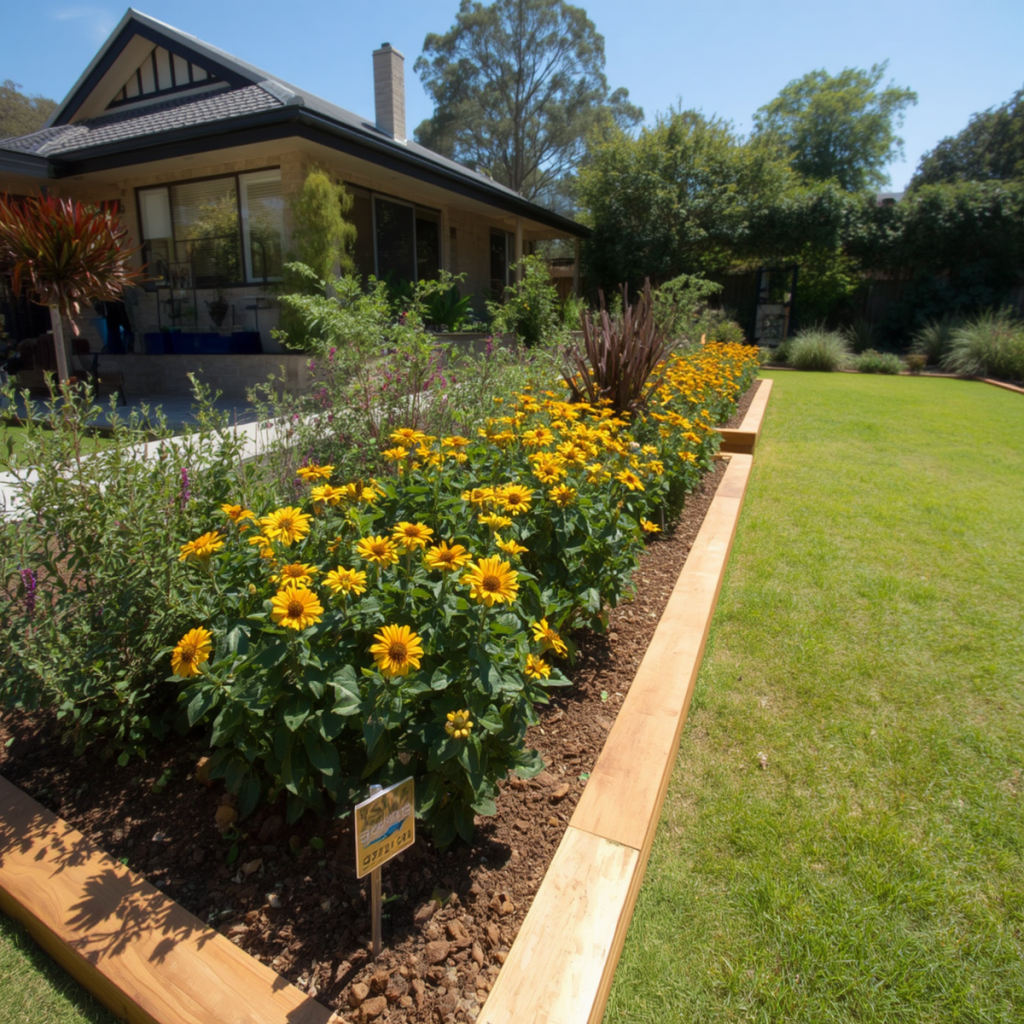
Why Garden Edging Matters
Garden edging is often described as the finishing touch, but it serves far more than a decorative purpose. Proper edging separates lawns from planting beds, prevents soil erosion, keeps decorative mulch from washing onto paths, and creates crisp visual lines that instantly make a property appear professionally landscaped. Australian homeowners also appreciate edging because it reduces the amount of trimming and weeding required throughout the year.
Factors to Consider Before Choosing Garden Edging
Before buying any edging product, think about how your garden functions every day rather than simply how it looks. If you regularly mow the lawn, a flush edging that allows mower wheels to run along the border can save countless hours over the years. Raised edging may look dramatic but can make maintenance more difficult if it interrupts mowing patterns.
Budget also deserves careful consideration. The cheapest material rarely offers the best long-term value. Timber may cost less initially, but replacement every few years can make it more expensive than steel over the lifetime of the garden. Likewise, premium natural stone requires a higher upfront investment but may last for generations with minimal maintenance.
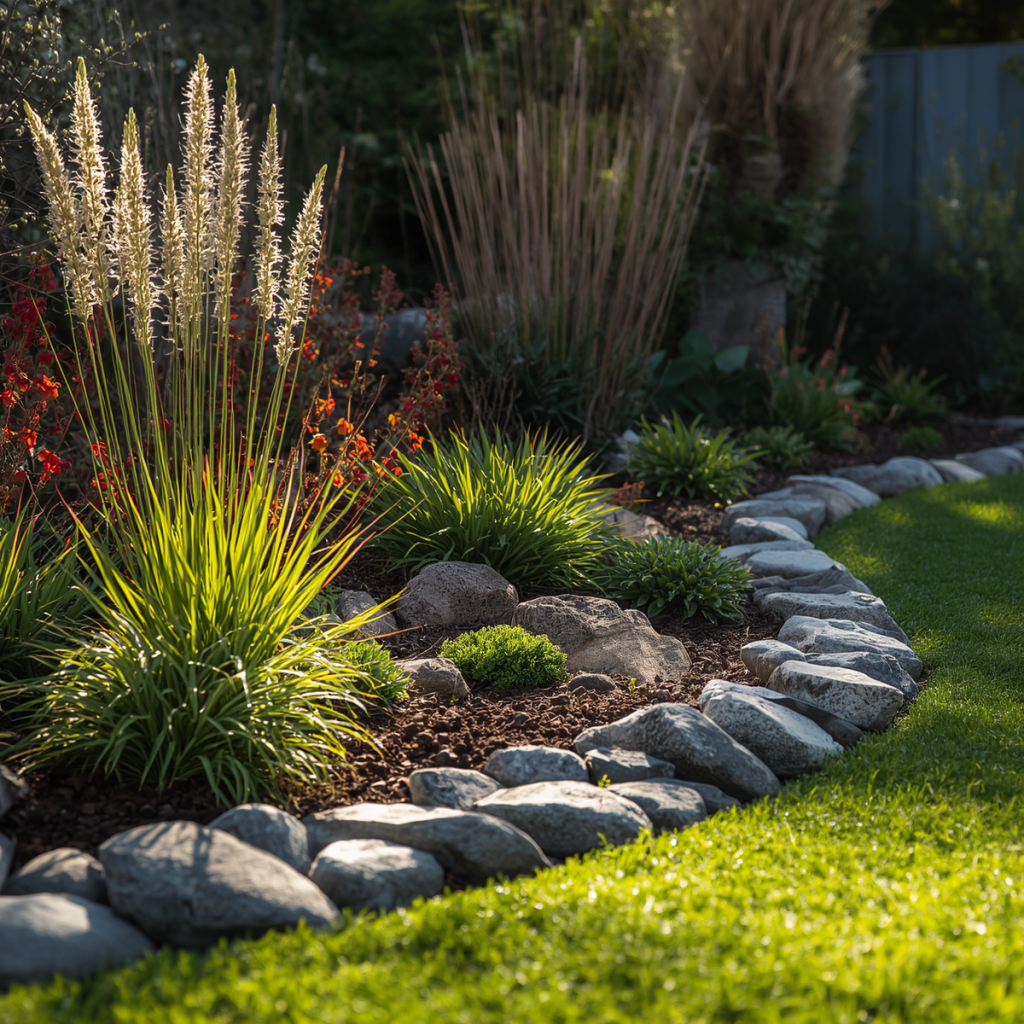
Garden style should also influence your decision. Contemporary homes often pair beautifully with slim steel edging that almost disappears into the landscape. Traditional cottages benefit from brick borders, while Sydney native gardens frequently look most natural with irregular stone edging that blends seamlessly into the surrounding landscape.
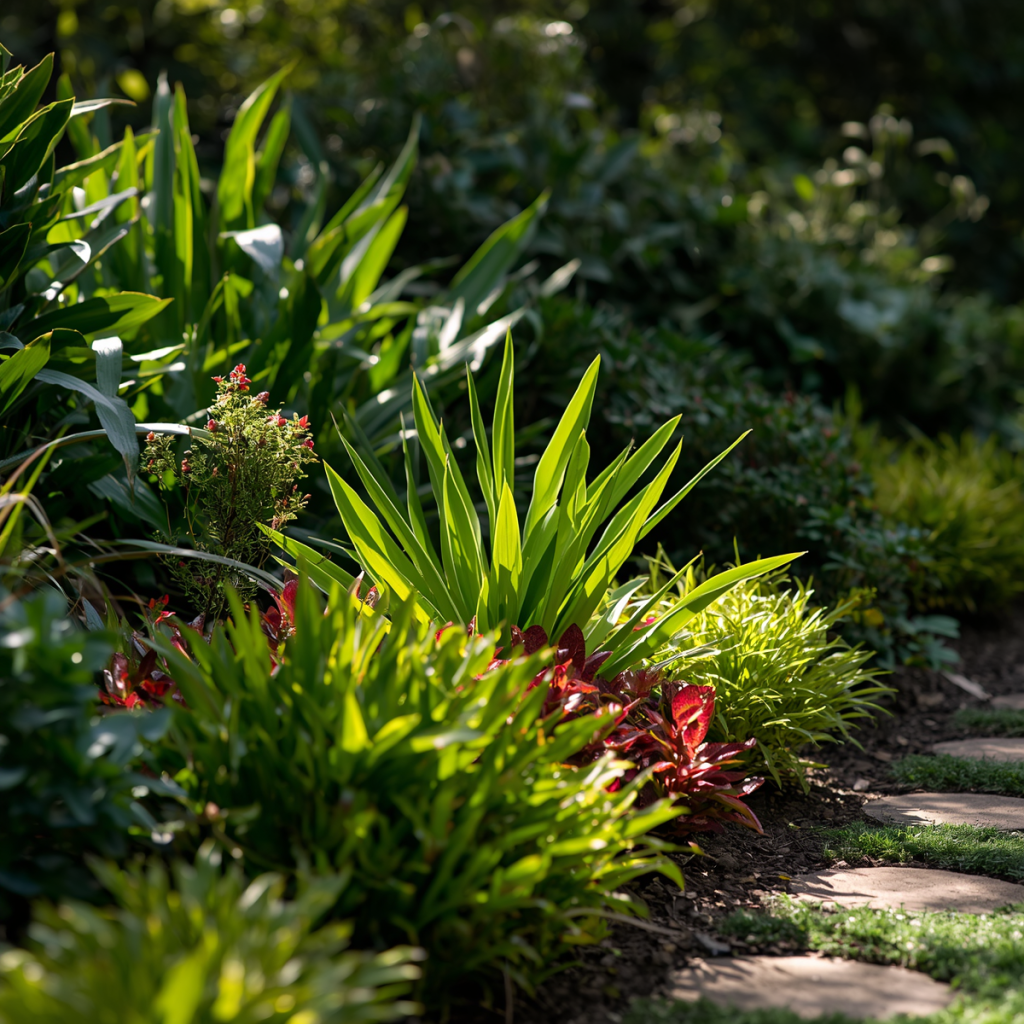
Comparing the Most Popular Garden Edging Materials
Steel Edging
Steel edging has become the preferred option for many Australian landscapers, and for good reason. Modern galvanised and Corten steel products offer outstanding durability while remaining flexible enough to create straight lines, sweeping curves, or intricate garden shapes. Unlike plastic, steel resists ultraviolet damage, and unlike timber, it will not attract termites or rot in damp soil.
Professional installers frequently recommend steel because it requires very little maintenance after installation. Galvanised steel retains its clean appearance for years, while Corten steel develops an attractive rust-coloured protective patina that complements native Australian planting. Homeowners also appreciate that steel edging creates an almost invisible border, allowing plants rather than hard landscaping to remain the visual focus. Australian comparison guides consistently rank steel as the highest-performing all-round edging material for longevity and versatility.
Pros and Cons
| Advantages | Disadvantages |
|---|---|
| Extremely durable | Higher upfront cost |
| Flexible for curves | Professional installation may be preferred |
| Minimal maintenance | Premium Corten options cost more |
| UV and weather resistant | Can become hot in direct sunlight |
Stone Edging
Natural stone offers timeless appeal that never seems to go out of fashion. Whether using sandstone, granite, bluestone, or locally sourced rock, stone blends effortlessly with Australian native gardens and cottage landscapes. One of its greatest strengths is permanence. Properly installed stone edging can remain attractive for decades with virtually no maintenance beyond occasional cleaning.
Stone also withstands Australia’s climate exceptionally well. It resists ultraviolet radiation, rainfall, and temperature fluctuations without deteriorating significantly. Although installation can be labour-intensive, many homeowners believe the natural beauty justifies the effort. Dry-stacked stone borders also provide valuable habitat for beneficial insects and reptiles that contribute to healthy garden ecosystems.
Pros and Cons
| Advantages | Disadvantages |
|---|---|
| Exceptional lifespan | Expensive |
| Natural appearance | Heavy installation |
| Virtually maintenance free | Difficult to reshape later |
| Excellent for native gardens | Labour intensive |
Brick Edging
Brick edging has remained popular in Australian gardens for generations because it combines durability with classic aesthetics. Bricks can be laid flat, upright, or at decorative angles to suit different architectural styles. One particularly useful feature is the ability to create a mowing strip that allows lawnmowers to travel directly along the edge without damaging plants.
Modern clay bricks are highly durable and can often match existing home construction for a cohesive landscape design. Although weeds occasionally emerge between joints, regular maintenance keeps brick edging looking neat for many years. Heritage homes and traditional suburban gardens especially benefit from brick borders that complement established architecture.
Concrete Edging
Concrete edging is widely used where strength and permanence are priorities. It can be precast into modular sections or poured continuously to create smooth flowing curves. Decorative finishes, coloured concrete, and exposed aggregate provide considerable design flexibility beyond plain grey borders.
Concrete performs exceptionally well in Australia’s harsh climate provided it is installed with proper foundations and drainage. Poor installation may eventually lead to cracking from ground movement, but professionally constructed concrete edging often lasts for decades with little maintenance. It works particularly well around driveways, formal gardens, and commercial landscapes where durability outweighs flexibility.
Timber Edging
Timber creates a warm, natural appearance that complements vegetable gardens, rustic landscapes, and informal outdoor spaces. Treated hardwood sleepers can form attractive raised beds while providing structural support for sloping gardens. Timber is also relatively easy for DIY enthusiasts to install using standard carpentry tools.
The downside is longevity. Australia’s moisture, termites, and intense sunlight gradually degrade even treated timber. Landscaping specialists generally recommend timber for projects where a rustic appearance is more important than maximum lifespan or where future redesigns are anticipated.
Plastic and Recycled Materials
Plastic edging remains attractive primarily because of its affordability and simple installation. Flexible rolls can easily follow curved garden beds, making them suitable for beginners undertaking weekend landscaping projects. Many newer products also incorporate recycled materials to improve sustainability.
Even so, plastic has limitations in Australia’s harsh climate. Continuous ultraviolet exposure can make cheaper products brittle over time, while extreme heat may cause warping. It remains a reasonable budget option but rarely matches the lifespan or visual appeal of premium materials like steel or stone.
Material Comparison Table
| Material | Durability | Maintenance | Cost | Best For |
|---|---|---|---|---|
| Steel | Excellent | Very Low | Medium-High | Modern gardens, curves |
| Stone | Excellent | Very Low | High | Native and heritage gardens |
| Brick | High | Low | Medium | Traditional landscapes |
| Concrete | Excellent | Very Low | Medium-High | Formal gardens |
| Timber | Moderate | High | Low-Medium | Rustic gardens |
| Plastic | Moderate | Low | Low | Budget DIY projects |
Which Edging Works Best for Different Australian Gardens?
There is no universal solution because different landscapes demand different characteristics. Native gardens filled with kangaroo paw, grevillea, and banksia often look best with weathered corten steel or natural stone that blends into the environment. Coastal gardens benefit from galvanised steel or stone because both resist salt exposure better than untreated timber.
Modern architectural homes frequently pair sleek steel edging with minimalist planting palettes. The almost invisible profile allows crisp geometric lines while keeping maintenance low. Traditional suburban gardens usually benefit from brick or concrete edging that echoes established construction materials around the home.
Interestingly, many experienced Australian gardeners recommend investing slightly more in quality edging because it is one landscape feature rarely replaced once installed correctly. Online gardening communities consistently praise premium steel systems for their durability, flexibility, and professional finish, despite their higher purchase price.
Installation Tips
Even the highest-quality edging performs poorly if installed incorrectly. Begin by marking the desired border using a garden hose or spray paint before digging. This simple step allows you to visualise curves and proportions before committing to permanent installation.
Dig a consistent trench that matches the height of your edging material. Compact the base to reduce future movement and ensure all sections remain level throughout the installation. Steel edging generally requires metal stakes driven securely into the ground, while stone and brick often benefit from compacted gravel foundations. Always backfill carefully to eliminate air pockets that could cause movement over time.
Common Mistakes to Avoid
Many homeowners choose edging based solely on purchase price, overlooking installation costs and long-term maintenance. Another frequent mistake is selecting materials that clash with the home’s architectural style. Bright plastic edging may function adequately but can diminish the appearance of an otherwise elegant landscape.
Ignoring local environmental conditions is equally problematic. Untreated timber may deteriorate rapidly in humid tropical climates, while lightweight plastic products may struggle in areas experiencing intense summer heat. Failing to install adequate drainage behind raised edging can also shorten its lifespan considerably.
Conclusion
For most Australian gardens, steel edging stands out as the best overall choice because it combines exceptional durability, minimal maintenance, flexibility, and contemporary aesthetics. It performs well across Australia’s diverse climates and suits everything from modern urban courtyards to expansive native landscapes. Homeowners seeking a timeless natural appearance may prefer stone, while brick and concrete remain outstanding options for traditional and formal gardens. Timber and plastic still have their place in budget-conscious or temporary projects but generally require more maintenance or earlier replacement.
The ideal edging ultimately depends on your climate, budget, landscape design, and maintenance expectations. Investing in high-quality edging from the beginning usually delivers better long-term value, helping your garden remain attractive, organised, and easier to maintain for many years.