
Transforming your outdoor space doesn’t have to break the bank. With a little creativity and effort, DIY landscaping projects in Australia can help you create a stunning garden or backyard oasis without hiring expensive professionals. Whether you’re in Sydney, these budget-friendly ideas will inspire you to roll up your sleeves and get started. And if you ever need expert advice or assistance, Sydney Landscaping Pty Ltd is here to help! DIY landscaping projects in Australia are more popular than ever. Homeowners want outdoor spaces that look great, handle our tough climate and don’t cost a fortune.
Why DIY Landscaping Projects in Australia Are Worth Your Time
Australians love the outdoors. A well-designed yard becomes an extra room for the family, a spot for a barbie on a Saturday arvo and a place to unwind after work. Taking on DIY landscaping projects in Australia lets you shape that space your way.
Save Money Without Cutting Corners
Labour is often the highest cost in any landscaping job. When you do the work yourself, you keep that money in your pocket. You can then spend it on better plants, quality pavers or a nicer outdoor setting.
Still, saving money doesn’t mean cutting corners. Smart DIYers buy good materials and learn the right techniques first. A cheap job that fails in two years costs more in the long run. So it’s worth doing things properly the first time.
Build Skills and Pride in Your Patch
There’s a real buzz in looking at a garden bed you built with your own hands. Each project teaches you something new. You’ll learn about soil, drainage, plant needs and even basic maths. Better still, those skills stick with you for life.
Gardening is also good for your wellbeing. Fresh air, sunshine and light exercise lift your mood. Plus, your family can get involved, which makes the whole thing more fun.
How to Plan Your DIY Landscaping Projects in Australia
Before you grab a shovel, take a breath. Good planning separates a great result from a muddy mess. A little time on paper now saves heaps of stress later.
Know Your Climate and Soil
Australia isn’t one climate. Darwin’s tropical wet season is nothing like Hobart’s cool winters. Even within Sydney, the coast and the western suburbs behave differently. Therefore, start by learning your climate zone and choosing plants that suit it.
Soil matters just as much. Sandy soil drains fast but doesn’t hold nutrients. Clay holds water but can turn soggy and hard. A simple test is to squeeze a handful of moist soil. If it forms a sticky ball, you’ve got clay. If it falls apart, it’s sandy. You can then improve it with compost, gypsum (for clay) or organic matter.
Set a Realistic Budget
It’s easy to get carried away at the nursery. So, set a budget and add about 15 per cent for surprises. Here’s a quick guide to where the money usually goes:
- Plants and soil: often the highest ongoing cost
- Hard materials: pavers, bricks, sleepers and gravel
- Tools and hire gear: a plate compactor, for example, is cheaper to rent than buy
- Delivery fees: bulk soil and mulch usually come by the cubic metre
Compare quotes from local suppliers. Buying in bulk is often cheaper than bagged products.
Check Rules and Call Before You Dig
Rules vary between states and councils. Some retaining walls, decks and fences need approval, especially above a certain height or near boundaries. Always check with your local council before you start.
Most importantly, call Dial Before You Dig before any digging. It’s a free national service that tells you where underground gas, power, water and telecommunications lines run. Hitting a cable is dangerous and expensive, so don’t skip this step.

12 Beginner-Friendly DIY Landscaping Projects
Ready to roll up your sleeves? These DIY landscaping projects in Australia suit beginners and cover a range of budgets and skill levels. Start small, then build up to bigger jobs.
Project 1: Native Garden Bed
Native plants are tough, low-maintenance and great for local wildlife. Kangaroo paw, grevillea, correa and lomandra handle heat and dry spells well. They also attract birds and bees, which bring your garden to life.
To build one, mark out the bed with a hose, remove the grass and loosen the soil. Plant in groups of odd numbers for a natural look. Finish with mulch and water deeply until the plants settle in.
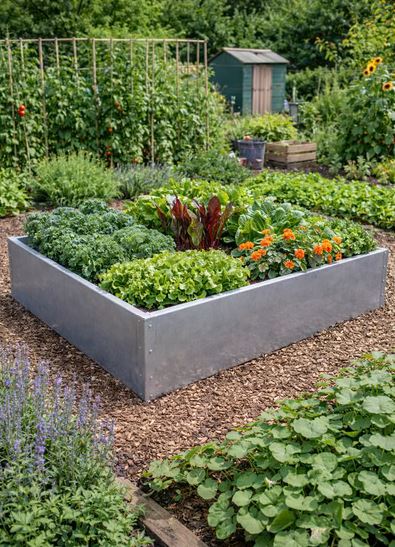
Project 2: Raised Veggie Beds
Raised beds are perfect if your soil is poor. You control the soil mix, and they’re easier on your back. Timber, corrugated iron and concrete sleepers all work well.
Aim for a bed about 1.2 metres wide so you can reach the middle. Fill it with quality veggie mix and compost. Then plant herbs, tomatoes, lettuce and beans in season. Nothing beats a homegrown tomato.
Project 3: Mulching Your Garden
Mulching is the easiest win in Sydney landscaping. A 75 mm layer keeps moisture in, stops weeds and protects roots from heat. As it breaks down, it also feeds the soil.
Choose organic mulch like pine bark, sugarcane or lucerne hay. Keep it a few centimetres away from plant stems to avoid rot. In bushfire-prone areas, check local advice, because some mulches burn more readily than others.
Project 4: Paver Path
A path adds structure and makes your garden easy to use. Pavers are a great DIY option because you can lay them one at a time.
Here’s the basic process:
- Mark the path and dig out about 100 to 150 mm.
- Add compacted crushed rock as a base.
- Spread a layer of sand and screed it flat.
- Lay the pavers with a slight fall for drainage.
- Sweep fine sand into the gaps.
Take your time with the base. It’s the secret to a path that stays level.
Project 5: Drip Irrigation
Water is precious in Australia. Drip irrigation delivers water right to plant roots, so little is wasted. It’s cheaper to run than sprinklers and much better for your plants.
Kits from hardware stores are simple to assemble. Connect a timer to your tap, run the main line, then add drippers where you need them. Cover the lines with mulch to protect them from the sun.
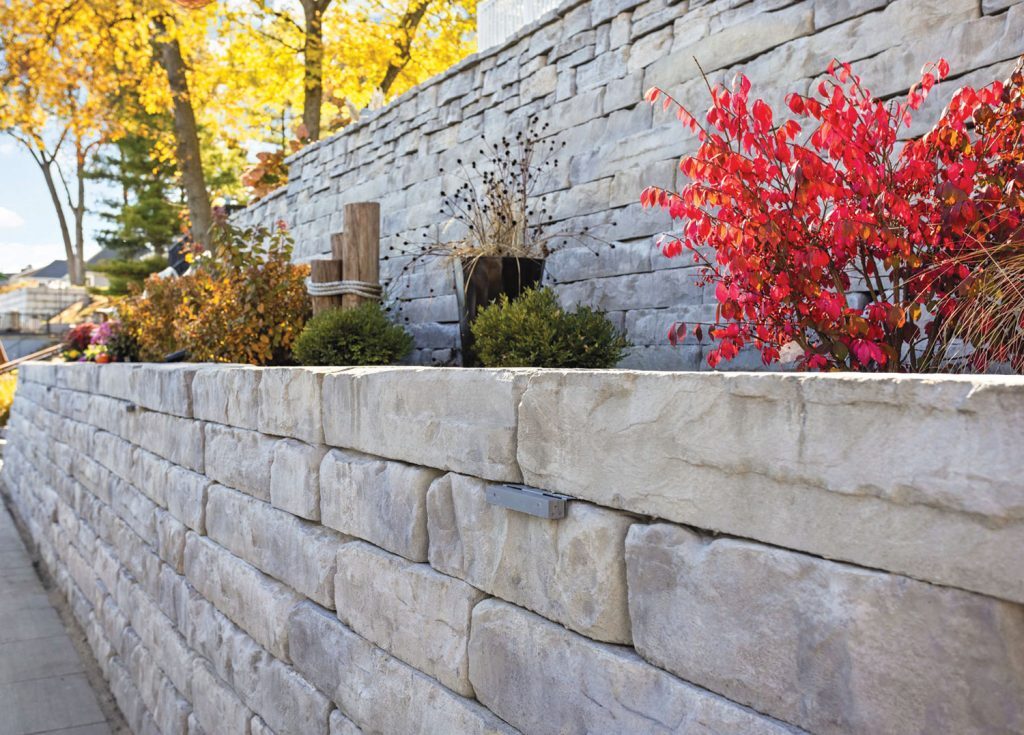
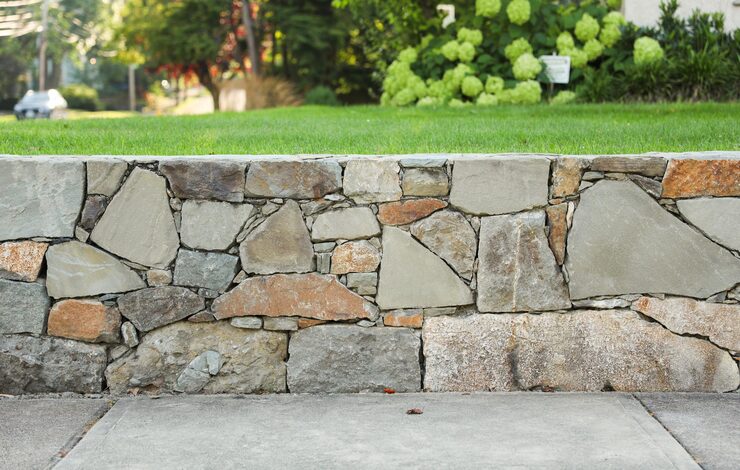
Project 6: Low Retaining Wall
A low wall can turn a sloping yard into flat, usable garden terraces. Stackable blocks and treated pine sleepers are popular DIY choices.
However, keep walls low. Taller walls carry serious loads and often need engineering and council approval. Always include drainage behind the wall, such as gravel and agricultural pipe. Otherwise, water pressure can push it over.
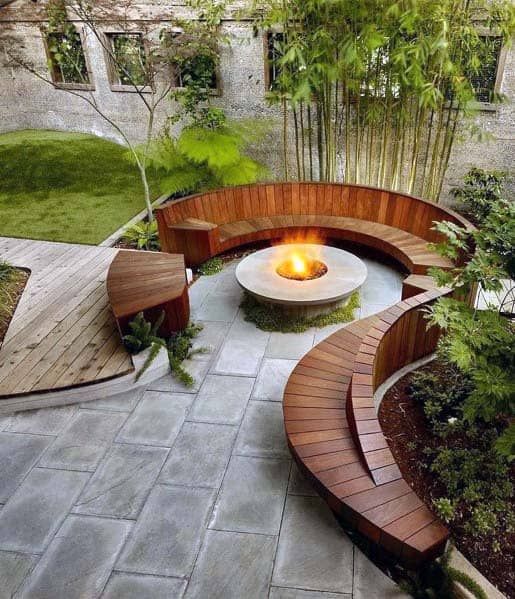
Project 7: Fire Pit Area
Few things beat a fire pit on a cool evening. Choose a flat spot well away from fences, trees and buildings. Build a base from compacted gravel, then add a ring of bricks or a ready-made steel bowl.
Check your local fire restrictions first. On total fire ban days, you can’t use it at all. Safety comes first, so keep a bucket of water or a hose nearby.
Project 8: Shade Sail or Pergola
Our summers are fierce, so shade is gold. A shade sail is the easiest option. You need strong posts set in concrete, quality fittings and a bit of tension. Angle it so rain runs off.
A pergola takes more effort but looks stunning, especially with a climber like jasmine or passionfruit. Plan the footings carefully, as wind loads can be significant.
Project 9: Lawn Alternatives and Groundcovers
Lawns are thirsty. If you’d like to cut your water use, consider groundcovers such as creeping boobialla, native violet or dichondra. They stay low and look lush.
Alternatively, try a mix of lawn and garden. Keep a small patch of turf for the kids and dog, and fill the rest with low-water plants. This approach gives you the best of both worlds.
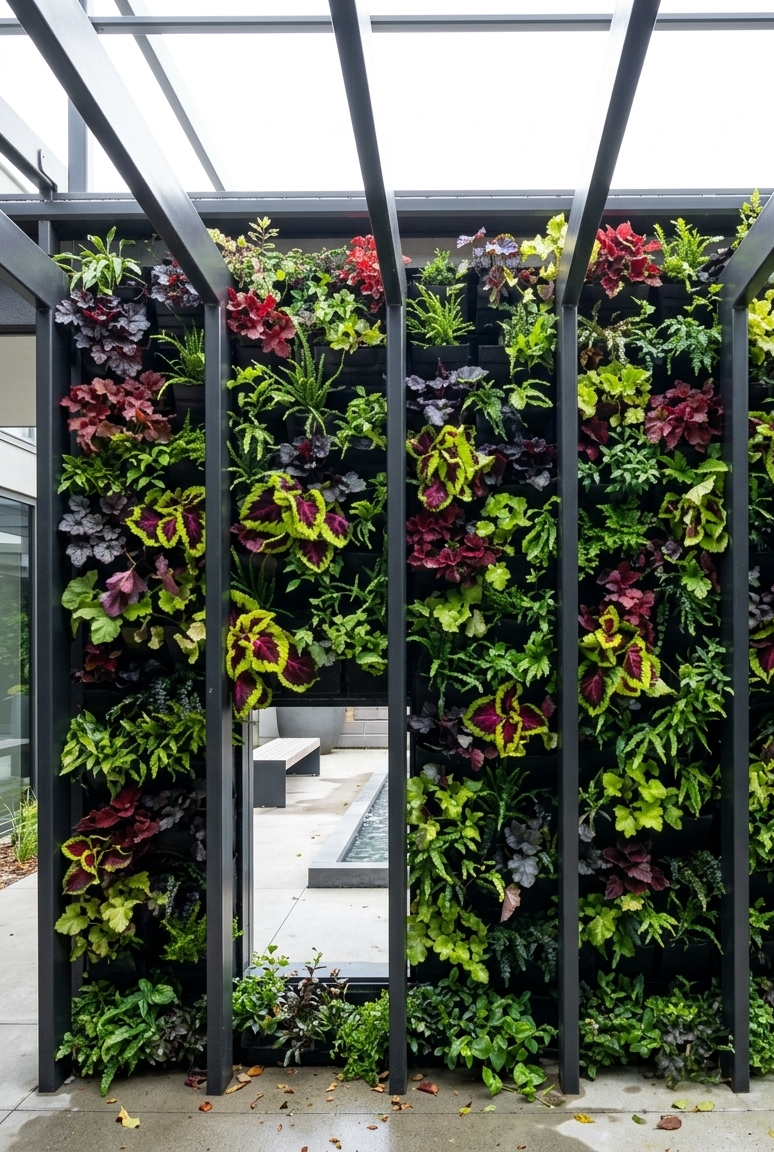
Project 10: Vertical Garden
Short on space? Go up. Vertical gardens work well on fences, balconies and courtyard walls. Use pocket planters, pallet frames or wall-mounted pots.
Choose plants that like your light conditions. Succulents suit sunny walls, while ferns and peace lilies suit shade. Add a simple drip line to keep watering easy.
Project 11: Dry Creek Bed
A dry creek bed solves drainage problems and looks great. It’s a shallow channel lined with river pebbles and large rocks, which guides stormwater away from your house.
Dig a gently curved trench, line it with landscape fabric and fill it with stones of different sizes. Plant tufty grasses along the edges for a natural finish.
Project 12: Compost Corner
Composting turns kitchen scraps and garden waste into “black gold.” Set up a bin or three-bay system in a quiet corner. Layer green waste (like veggie scraps) with brown waste (like dry leaves).
Turn it every week or two and keep it damp. In a few months, you’ll have free, rich compost for your beds.
Here are some creative and affordable DIY landscaping ideas to get you started:
1. Create a Native Garden with Australian Plants
One of the easiest and most eco-friendly DIY landscaping projects in Australia is designing a native garden. Australian native plants like kangaroo paw, bottlebrush, and grevillea are not only beautiful but also require less water and maintenance.
2. Build a Raised Garden Bed
Raised garden beds are perfect for growing vegetables, herbs, or flowers. They’re easy to construct using timber, bricks, or even recycled materials.
3. Install a DIY Pathway- DIY garden pathway
A well-designed pathway can add charm and functionality to your garden. Use materials like gravel, stepping stones, or pavers to create a walkway that complements your outdoor space.
4. Add a Vertical Garden – DIY garden projects for small-space landscaping
Short on space? A vertical garden is a fantastic solution for small yards or balconies. Use pallets, hanging pots, or wall-mounted planters to grow herbs, succulents, or trailing plants.
5. Create a Relaxing Outdoor Seating Area
Turn a neglected corner of your yard into a cozy retreat with a DIY seating area. Use pallets to build benches, add outdoor cushions, and incorporate a small fire pit or string lights for ambience.
6. Install a Rainwater Harvesting System
Australia’s unpredictable weather makes rainwater harvesting a smart addition to any garden. Use a simple barrel or tank to collect rainwater for irrigation.
7. Design a Kid-Friendly Play Area
If you have children, consider creating a play area with natural elements like sandpits, log stepping stones, or a small vegetable patch where they can learn to grow their own food.
8. Upcycle and Repurpose Materials
Get creative with recycled materials to save money and reduce waste. Old tyres can become planters, broken pots can be used for mosaic art, and wooden crates can be turned into shelving for potted plants.

When to Call the Experts at Sydney Landscaping Pty Ltd
While DIY landscaping projects in Australia are a great way to save money, some tasks may require professional expertise. If you’re dealing with complex designs, or large-scale projects, or need advice on soil quality and plant selection, Sydney Landscaping Pty Ltd is your go-to partner. With years of experience in creating stunning outdoor spaces, they can help you bring your vision to life.
Final Thoughts
DIY landscaping projects in Australia are not only cost-effective but also a rewarding way to enhance your outdoor space. Whether you’re planting a native garden, building a raised bed, or creating a cozy seating area, these projects can transform your yard into a beautiful and functional retreat. And remember, for those bigger projects or expert guidance, Sydney Landscaping Pty Ltd is just a call away.
Start your DIY journey today and enjoy the benefits of a personalized, budget-friendly landscape!
DIY Landscaping Projects in Australia: Budget-Friendly Ideas
A collection of eight creative and affordable DIY landscaping projects for Australian homeowners, including native gardens, raised beds, pathways, and more.

Add Steps:

Create a Native Garden
Design a garden using Australian native plants like kangaroo paw, bottlebrush, and grevillea. These plants require less water and maintenance, making them eco-friendly and budget-friendly.

Build a Raised Garden Bed
Construct a raised garden bed using timber, bricks, or recycled materials. Perfect for growing vegetables, herbs, or flowers.

Install a DIY Pathway
Create a garden walkway using gravel, stepping stones, or pavers to add charm and functionality to your outdoor space.

Add a Vertical Garden
Build a vertical garden using pallets, hanging pots, or wall-mounted planters to grow herbs, succulents, or trailing plants, ideal for small yards or balconies.

Create a Relaxing Outdoor Seating Area
Transform a neglected corner into a cozy retreat by building benches from pallets, adding outdoor cushions, and incorporating a fire pit or string lights.

Install a Rainwater Harvesting System
Set up a simple barrel or tank to collect rainwater for irrigating your garden, a smart addition for Australia’s unpredictable weather.


Essential Tools and Materials
| Tool or Material | Best Used For | Buy or Hire? |
|---|---|---|
| Spade and shovel | Digging beds and trenches | Buy |
| Wheelbarrow | Moving soil, mulch and pavers | Buy |
| Spirit level | Keeping paths and walls straight | Buy |
| Rake and hoe | Levelling soil and weeding | Buy |
| Plate compactor | Compacting paver bases | Hire |
| Mini excavator | Large digging jobs | Hire |
| Safety gear (gloves, glasses, boots) | Protecting yourself | Buy |
Don’t forget sun protection. A hat, sunscreen and plenty of water are musts. As the old saying goes, slip, slop, slap.
Best Seasons for Landscaping in Australia
Timing can make or break your plants. In most temperate areas, autumn and spring are the sweet spots. The soil is warm, the weather is mild, and rain is more likely. Plants establish their roots without battling extreme heat.
Summer planting is possible, but you’ll need to water more. Winter works for hard landscaping like paths and walls, as long as the ground isn’t waterlogged. In the tropical north, plan around the wet and dry seasons instead. Planting at the start of the wet season usually gives plants a strong start.
Common Mistakes to Avoid
Even keen DIYers trip up now and then. Luckily, most mistakes are easy to avoid:
- Skipping the plan. Sketch your design before buying anything.
- Ignoring drainage. Water pooling near the house can cause real damage.
- Choosing the wrong plants. Match plants to sun, soil and water conditions.
- Planting too close together. Check the mature size on the plant tag.
- Rushing the base for paving. A weak base leads to sunken, wobbly pavers.
- Forgetting maintenance. Even low-care gardens need some attention.
Take your time, ask questions at the nursery and learn as you go. Nobody gets it perfect the first go.