
In NSW, front fences are commonly permitted up to 1.2 metres high under complying development rules, though requirements can vary by council and site.
For a fence higher than this, you may need development approval, so check your local council’s rules before building.
Understanding the 2026 rules for front yard fence height in NSW is the essential first step in any fencing project. The right fence enhances curb appeal and privacy, but getting the height wrong can lead to disputes with neighbours, council orders to modify or remove your fence, and unexpected fines. This guide cuts through the complexity of state and local regulations to give you the clarity you need.
A front yard fence is much more than a property boundary. It provides security, enhances privacy, improves the appearance of your home, and contributes to the overall character of a neighbourhood. However, in New South Wales (NSW), homeowners cannot simply build any fence they like. Local councils regulate fence height, design, materials, and placement to ensure streets remain safe, attractive, and consistent with planning policies.
Understanding the latest NSW front yard fence height rules for 2026 is essential before starting any construction project. A fence that exceeds the permitted height or fails to comply with council regulations may require costly modifications or even removal.
This comprehensive guide explains everything homeowners need to know about front yard fencing in NSW, including standard height limits, council approval requirements, exemptions, common mistakes, and practical design tips.
Why does front yard fence height matter?
Front yard fence height directly affects street visibility, neighbourhood aesthetics, and driver sightlines at driveways and intersections. In NSW, exceeding council-permitted heights without approval can result in orders to modify or remove the structure.
The height of a front fence affects much more than privacy. Local councils regulate fencing to balance the interests of homeowners with public safety and neighbourhood appearance.
A properly designed fence can:
- Improve home security
- Increase property value
- Define property boundaries
- Enhance curb appeal
- Reduce noise
- Provide privacy
- Complement landscaping
- Improve first impressions
However, an excessively tall or poorly designed fence can create several issues, including:
- Reduced visibility for drivers
- Safety risks at intersections
- Poor neighbourhood aesthetics
- Streetscape inconsistency
- Planning regulation breaches
- Disputes with neighbours
For these reasons, NSW councils establish maximum height limits based on location, zoning, and property characteristics.
What is an overview of NSW Front Yard Fence Rules (2026)
NSW regulates front fence height, fence materials, and placement primarily through each council’s Local Environmental Plan (LEP) and the state’s exempt development codes. Most residential front fences must remain low and visually permeable to maintain street safety and neighbourhood character.
Although each local council has its own Development Control Plan (DCP), most councils follow similar principles.
Generally, a front fence should:
- Respect the existing streetscape
- Maintain adequate sight lines
- Avoid obstructing pedestrians
- Preserve neighbourhood character
- Meet local planning controls
- Comply with exempt development standards where applicable
The specific rules may vary depending on:
- Local council policies
- Residential zoning
- Heritage conservation areas
- Corner block locations
- Proximity to intersections
- Road classifications
- Existing property setbacks
Because of these differences, homeowners should always review their local council’s Development Control Plan before beginning construction.
What is Maximum Front Yard Fence Height in NSW?
Under standard exempt development provisions, front yard fences are generally capped at 1.2 metres for solid construction, though this can vary by council and zoning. Taller fences may be permitted if at least the upper portion is open, lattice, or picket-style to preserve sightlines.
One of the most common questions homeowners ask is:
“How high can a front fence be in NSW?”
While council rules vary, the commonly accepted standard is:
Up to 1.2 metres
A front fence up to approximately 1.2 metres above natural ground level is generally considered acceptable for many residential properties without requiring additional planning approval, provided other development standards are met.
Higher fences may be permitted where:
- The fence has open construction
- The property sits on a sloping site
- The property is located on a busy road
- Additional landscaping reduces visual impact
- Council grants planning approval
Some councils may allow fences approaching 1.5 metres if the design remains visually permeable rather than completely solid.
🔍 Check Your Front Fence Compliance
NSW Rules 2026 — Simple Yes/No Flowchart
How Councils Assess Front Fence Applications
Councils assess fence applications against LEP and Development Control Plan (DCP) criteria, focusing on height, materials, transparency, and streetscape compatibility. Corner blocks, heritage areas, and traffic sightline requirements often trigger additional scrutiny.
When assessing a fence proposal, councils consider several planning factors.
1. Streetscape Character
The fence should blend with neighbouring homes rather than dominate the street.
Councils often encourage:
- Decorative fencing
- Open picket fences
- Aluminium slat fencing
- Brick and steel combinations
- Landscaped front gardens
Large solid walls facing public roads are often discouraged. Frequently Asked Questions (FAQ) – Front Yard Fence Height in NSW
2. Safety and Visibility
Safety is one of the biggest reasons councils regulate fence height.
Officials examine:
- Driver visibility
- Pedestrian safety
- Corner intersections
- Driveway sight lines
- Traffic conditions
A fence that blocks visibility near driveways or intersections may require redesign regardless of its height.
3. Heritage Considerations
Properties located within heritage conservation areas often face additional requirements.
Councils may require:
- Traditional materials
- Heritage colours
- Decorative detailing
- Lower fence heights
- Matching neighbourhood character
Modern front yard designs that conflict with historic architecture may not receive approval.
4. Visual Permeability
Many councils encourage fences that allow visibility through the structure.
Examples include:
- Timber pickets
- Aluminium slats
- Wrought iron
- Decorative steel panels
These designs reduce the visual impact while maintaining property definition.
What are the common Front Fence Materials?
Common Sydney front fence materials include timber pickets, aluminium slat or tubular fencing, low masonry with metal infill, and glass or steel panels for a modern finish. Material choice affects both compliance with permeability requirements and overall street appeal.
Choosing the right material affects both compliance and appearance.
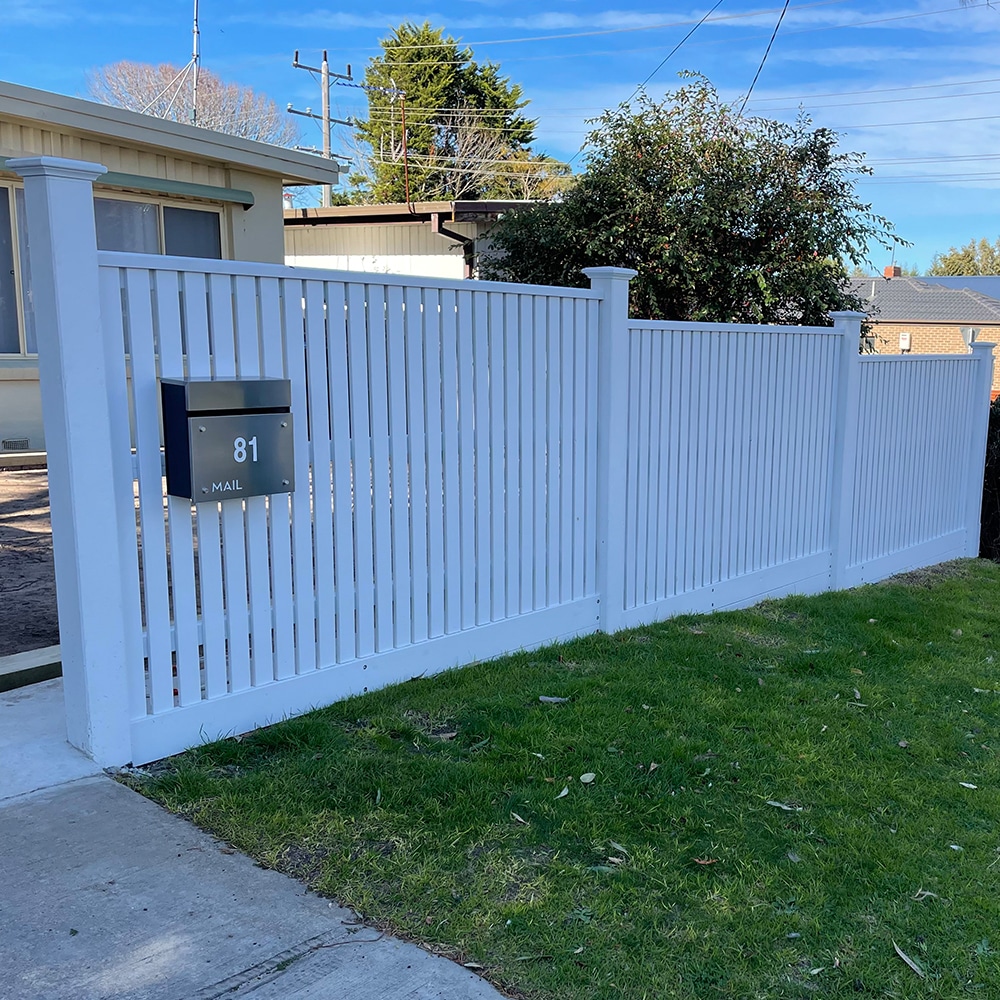
Timber Picket Fencing
A classic Australian favourite.
Advantages include:
- Traditional appearance
- High visual permeability
- Affordable installation
- Easy maintenance
- Suitable for heritage homes
Brick Fences
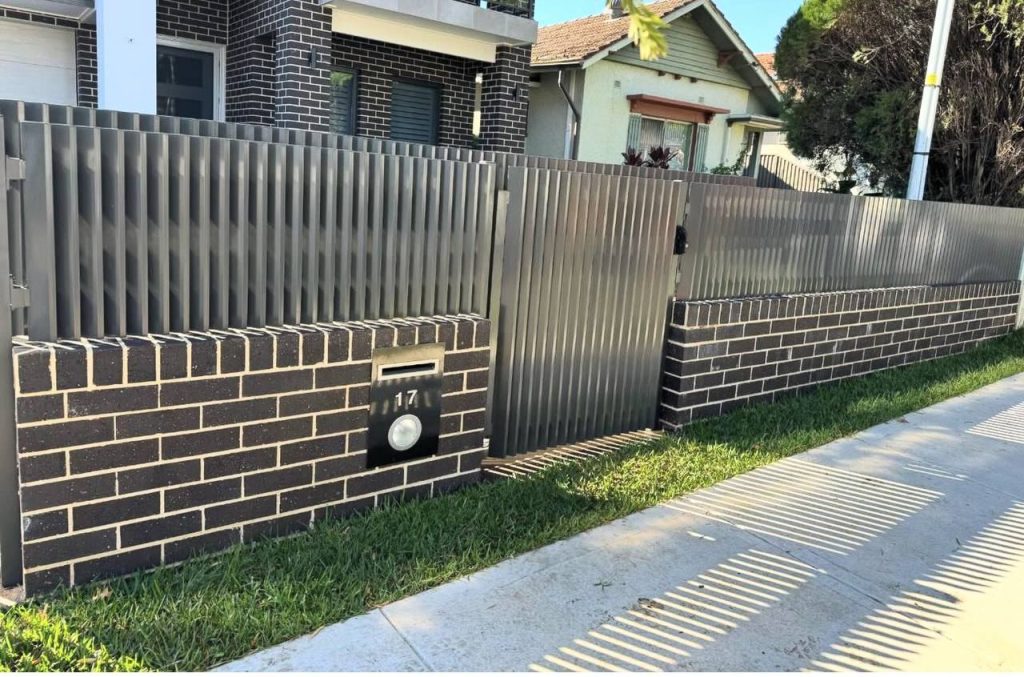
Brick fences provide:
- Excellent durability
- Strong security
- Premium appearance
- Long lifespan
- Low maintenance
However, tall solid brick walls may require council approval due to their visual impact.
Aluminium Slat Fencing
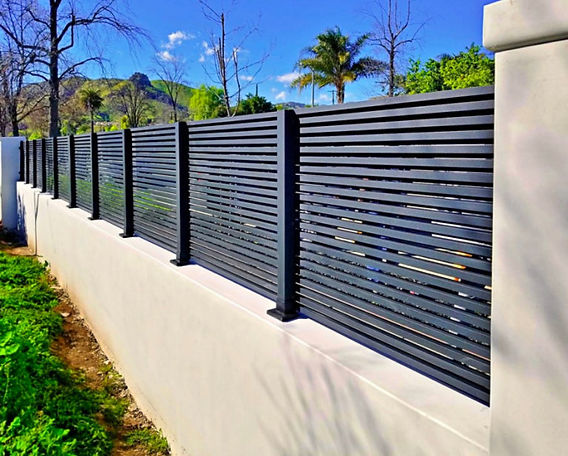
This modern option has become increasingly popular.
Benefits include:
- Contemporary design
- Rust resistance
- Minimal maintenance
- Good airflow
- Adjustable privacy
Many councils favour slatted designs because they maintain visibility.
Steel Decorative Fencing
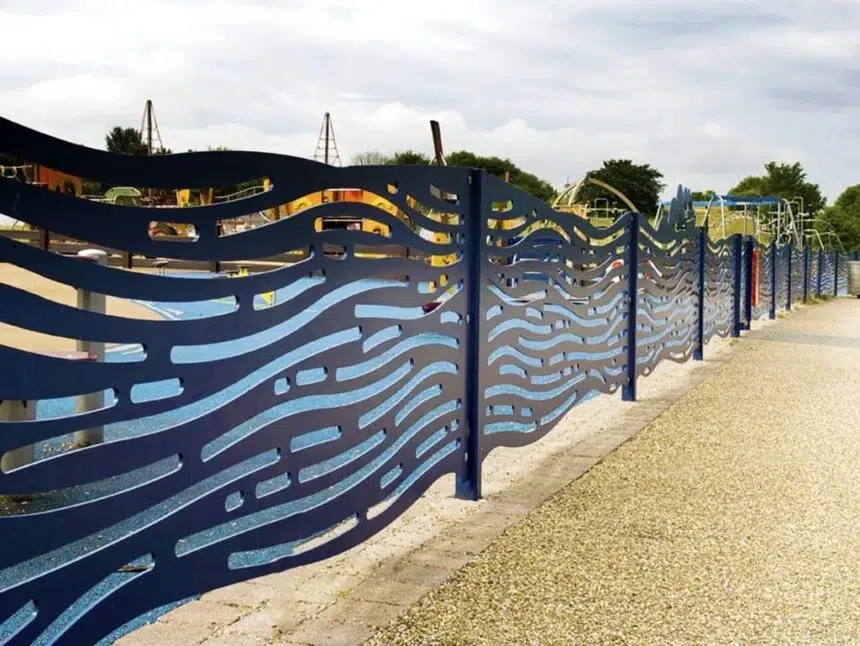
Decorative steel fencing offers:
- Strength
- Elegant appearance
- Long service life
- Excellent visibility
- Minimal obstruction
It is commonly used in suburban developments.
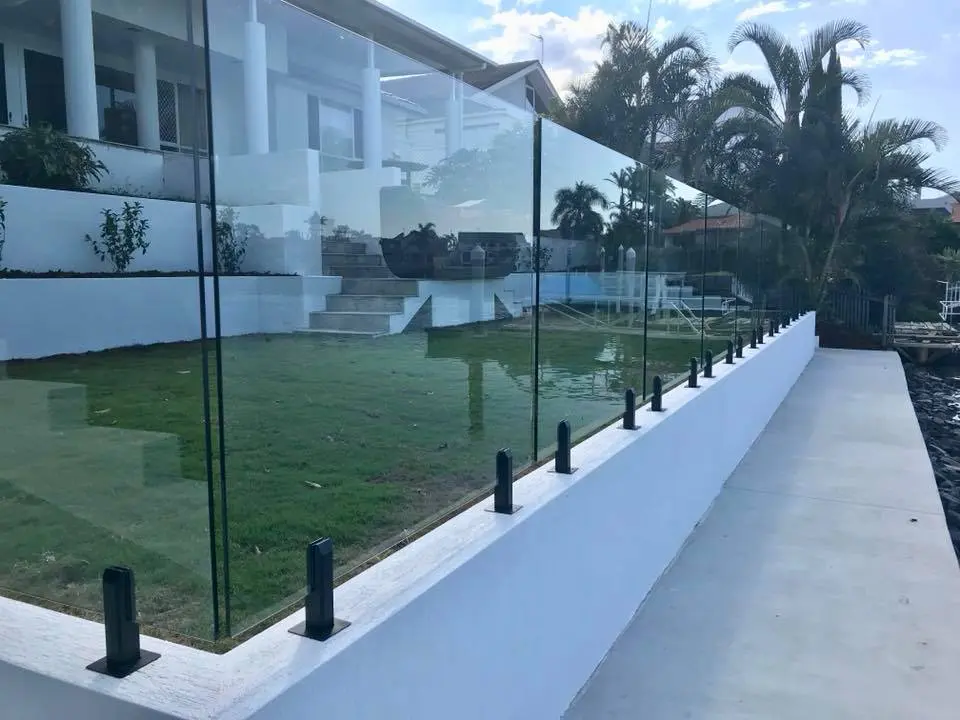
Glass Front Fencing
Glass fencing is less common but creates a premium appearance.
Advantages include:
- Maximum visibility
- Modern aesthetics
- Wind resistance
- Unobstructed landscaping
- Increased natural light
Because of cost, glass is usually reserved for luxury homes.
What are the Benefits of Following NSW Fence Regulations?
Compliant fencing avoids council enforcement action, fines, or forced remediation, while also protecting property resale value and neighbourhood relations. It ensures safety outcomes like clear sightlines are maintained for pedestrians and drivers.
Complying with council regulations provides numerous advantages beyond simply avoiding penalties.
Legal Compliance
Following planning controls reduces the likelihood of receiving notices requiring costly alterations.
Improved Property Value
A compliant, attractive fence enhances street appeal and makes a positive first impression on potential buyers.
Better Neighbour Relations
Building within approved limits helps minimise disputes about boundaries, visibility, and neighbourhood character.
Enhanced Safety
Appropriate fence height and design improve visibility for motorists, cyclists, and pedestrians, contributing to safer streets.
Do You Need Council Approval for a Front Yard Fence in NSW?
Many standard front fences qualify as exempt development and don’t require formal council approval, provided they meet height, material, and location criteria. Fences exceeding these thresholds or located in sensitive zones typically require a Development Application (DA).
Whether council approval is required depends on several factors, including the proposed fence height, design, location, and your local council’s planning controls. While many residential front fences can be built as exempt development, not every project qualifies.
You may not require development approval if your proposed fence:
- Meets the maximum height permitted by your local planning controls.
- Complies with the applicable Development Control Plan (DCP).
- Does not obstruct visibility for motorists or pedestrians.
- Is not located within a heritage conservation area.
- Does not affect public infrastructure or easements.
- Uses approved construction materials and methods.
However, approval is more likely to be required if:
- The fence exceeds the permitted height.
- The property is located on a corner block.
- The land is affected by bushfire, flood, or environmental planning controls.
- The property is listed as a heritage item or sits within a heritage conservation area.
- The proposed design significantly differs from surrounding properties.
- The fence is built close to major roads or intersections.
Because planning requirements vary between councils, always verify the applicable rules before purchasing materials or beginning construction.
What does exempt development mean in NSW?
Exempt development refers to low-impact building work, including certain fences, that can proceed without council approval or a construction certificate, provided strict pre-set criteria are met. If a fence falls outside these criteria, it automatically requires standard DA approval.
In NSW, some low-impact building work qualifies as exempt development, meaning you can proceed without obtaining formal development consent, provided all applicable standards are met.
For front fencing, exempt development generally requires compliance with:
- Height restrictions
- Setback requirements
- Building materials
- Safety standards
- Visibility requirements
- Local planning controls
Even when development consent is unnecessary, homeowners remain responsible for ensuring the fence complies with all relevant legislation.
Failure to meet exempt development standards may result in compliance action by the local council.
What are Local Council Variations Across NSW?
While the state exempt development code sets a baseline, individual Sydney councils can impose additional or stricter requirements through their own DCPs. This means a fence compliant in one council area may not automatically be compliant in a neighbouring LGA.
Although statewide planning legislation establishes broad requirements, every council adopts its own Development Control Plan (DCP). This means front fence regulations can differ significantly depending on where your property is located.
Examples include:
City of Sydney
The City of Sydney generally encourages low, visually permeable front fences that preserve the character of established neighbourhoods. Decorative steel, timber picket, and heritage-style fencing are commonly supported.
Northern Beaches Council
The Northern Beaches area often places strong emphasis on coastal character, open streetscapes, and landscaping. Large solid front walls may receive additional scrutiny.
Blacktown City Council
Blacktown typically applies detailed planning controls regarding fence height, materials, and visibility, particularly for newer residential developments.
Canterbury-Bankstown Council
This council frequently considers:
- Streetscape compatibility
- Neighbourhood appearance
- Corner block visibility
- Traffic safety
- Landscaping integration
Parramatta Council
Parramatta encourages fencing that complements modern residential design while maintaining clear sight lines and attractive street presentation.
What are Corner Block Fence Rules?
Corner blocks are typically subject to stricter height and transparency rules to preserve sightlines at intersections for both vehicles and pedestrians. Councils often require truncated or reduced-height fencing near the corner splay zone.
Corner properties are subject to additional planning considerations because they face two streets and present greater visibility challenges.
Councils commonly require:
- Reduced fence heights near intersections.
- Clear sight triangles for motorists.
- Open-style fencing close to driveways.
- Landscaping that does not obstruct visibility.
- Compliance with road authority requirements where applicable.
A fence that would be acceptable on a standard residential lot may require modifications on a corner block.
Which are Heritage Conservation Areas?
Heritage Conservation Areas are council-designated zones where development, including fencing, must align with the area’s historic architectural character. Fences in these zones often face stricter material, style, and height controls regardless of standard exempt development rules.
If your property is located within a heritage conservation area, additional planning controls usually apply.
Councils often seek to preserve the historic character of these neighbourhoods by regulating:
- Fence height
- Building materials
- Decorative features
- Colour schemes
- Architectural style
Traditional materials such as timber pickets, sandstone, brick, wrought iron, or heritage-inspired steel fencing are often preferred over contemporary solid walls.
Always confirm heritage requirements before commencing work.
What is a Step-by-Step Guide to Building a Compliant Front Fence?
The process generally involves checking council LEP/DCP requirements, confirming exempt development eligibility, selecting compliant materials and height, and engaging a licensed contractor for installation. Where exemption criteria aren’t met, a Development Application must be lodged and approved before construction begins. Following a structured process helps minimise delays and avoids unnecessary expenses.
Step 1 – Identify Your Property Boundaries
Review your survey plan to confirm the exact boundary location before designing your fence.
Step 2 – Check Local Planning Controls
Consult your local council’s Development Control Plan (DCP), Local Environmental Plan (LEP), and any applicable state planning requirements.
Step 3 – Select an Appropriate Design
Choose a fence that suits:
- Your home’s architecture
- The surrounding streetscape
- Council planning objectives
- Privacy needs
- Safety requirements
Step 4 – Determine Whether Approval Is Required
If uncertain, speak with your local council or a qualified planning consultant before construction begins.
Step 5 – Prepare Supporting Documents
Where approval is necessary, you may need:
- Site plans
- Elevation drawings
- Material specifications
- Property survey
- Photographs
- Landscape plans
Step 6 – Lodge Your Application
Applications are typically submitted through your local council and assessed against planning controls and development standards.
Step 7 – Construct the Fence
Once approval is granted—or if the project qualifies as exempt development—construction can proceed using approved materials and dimensions.
What are the Common Mistakes Homeowners Should Avoid?
Common mistakes include building without checking exempt development criteria, exceeding height limits with solid materials, and ignoring corner block or heritage overlay restrictions. Failing to check underground services or boundary lines before construction can also lead to costly disputes or rework.
Many compliance issues arise because property owners overlook important planning requirements.
Building Too High
Exceeding the permitted height is among the most common reasons councils issue compliance notices.
Ignoring Visibility Requirements
A fence that blocks visibility near driveways or intersections can create safety hazards and may require modification.
Assuming Every Council Has the Same Rules
Planning controls vary considerably between NSW councils. Never rely solely on advice from friends or neighbouring property owners.
Choosing the Wrong Materials
Some neighbourhoods, particularly heritage areas, restrict the use of modern materials or oversized solid walls.
Not Confirming Property Boundaries
Constructing a fence on the wrong side of a boundary can result in expensive disputes and legal complications.
Starting Construction Before Approval
Beginning work before obtaining any required approvals may result in fines, stop-work orders, or demolition requirements.
Penalties for Non-Compliance
Building a non-compliant front fence can lead to several consequences.
Possible enforcement actions include:
- Council compliance notices
- Orders to reduce fence height
- Removal of unauthorised structures
- Financial penalties
- Delays in property transactions
- Additional planning application costs
Ignoring council directions can increase enforcement action and prolong disputes.
Tips for Designing an Attractive and Compliant Front Fence
Balance compliance with street appeal by choosing materials and colours that complement the home’s façade while meeting permeability and height requirements. Incorporating semi-transparent elements like pickets or slats helps satisfy sightline rules without compromising visual privacy.
An attractive fence should enhance both your home and the surrounding neighbourhood.
Consider the following design principles:
- Match fencing materials with your home’s architectural style.
- Use landscaping to soften the appearance of solid fencing.
- Select durable, weather-resistant materials.
- Balance privacy with visibility.
- Ensure gates align with driveway access.
- Maintain consistent colours throughout the property.
- Include lighting where appropriate.
- Plan for long-term maintenance.
A well-designed front fence can significantly improve street appeal while remaining fully compliant with planning regulations.
Frequently Asked Questions
Ready for a Beautiful, Compliant Fence in Sydney?
Navigating fence height rules can be complex, but you don’t have to do it alone. The team at Sydney Landscaping has over a decade of experience building fences that meet both council regulations and our clients’ visions for style and privacy.
Contact us today for a knowledgeable consultation. We can help you:
- Decipher your local council’s specific rules.
- Design a fence that complements your home’s architecture.
- Handle the entire process from planning to construction with our licensed and insured team.