
A beautifully designed fire pit can transform your outdoor space into a cozy, inviting gathering spot for friends and family. Whether you’re looking for a warm place to enjoy cool evenings or a stylish focal point for your backyard, fire pit landscaping is the key to achieving both functionality and aesthetic appeal.
2026 Fire Pit Trends: What’s Hot in Outdoor Living
Fire pit landscaping continues to evolve, and 2026 brings fresh ideas that blend style, sustainability, and smart technology. Whether you’re planning a new build or refreshing an existing gathering spot, these trends will keep your outdoor space ahead of the curve.
1. Dual‑Fuel Fire Pits (Wood + Gas)
Why choose between the crackle of a wood fire and the convenience of gas? Dual‑fuel designs let you switch based on your mood or local fire restrictions. Use gas for quick, smokeless warmth on a weeknight, then swap in a wood insert for that authentic campfire experience on weekends. Expect to see more pits with hidden gas rings beneath removable wood grates.
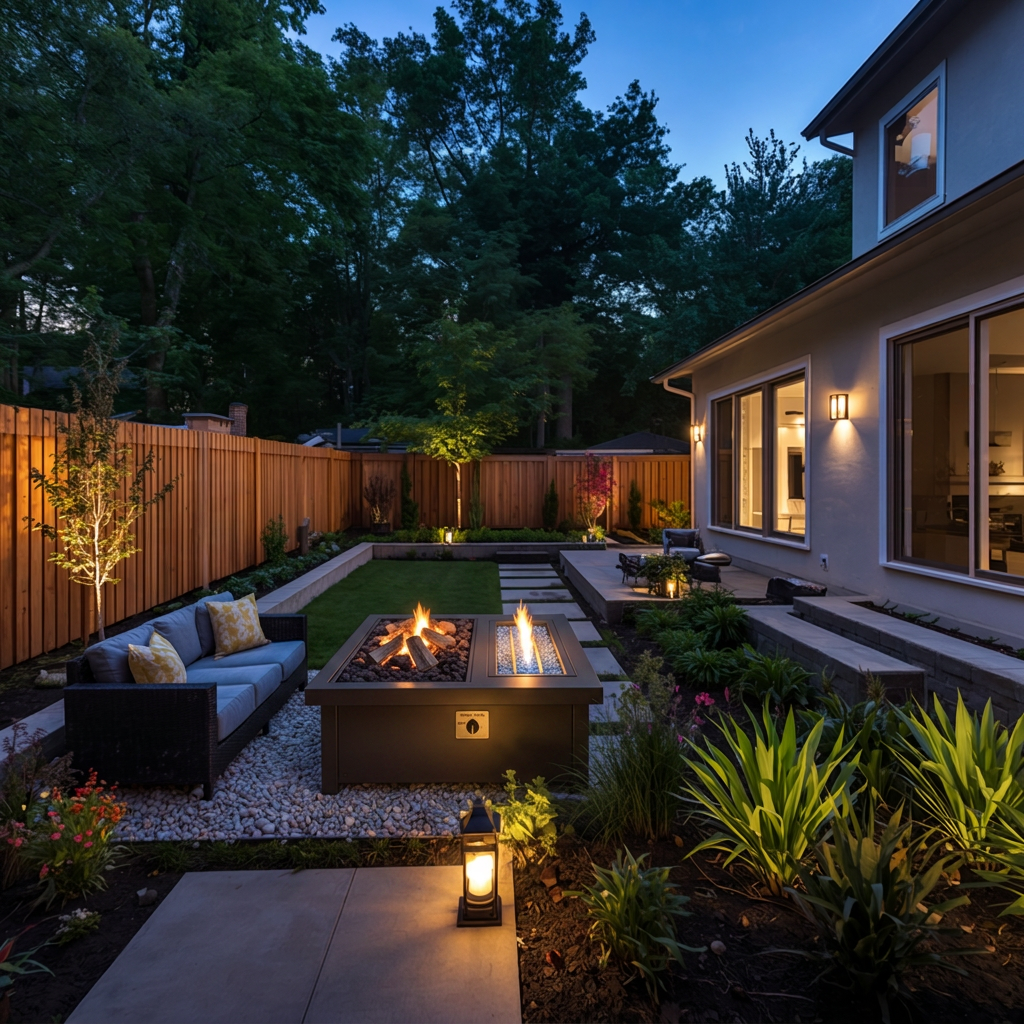
2. Integrated Heat‑Deflecting Seating
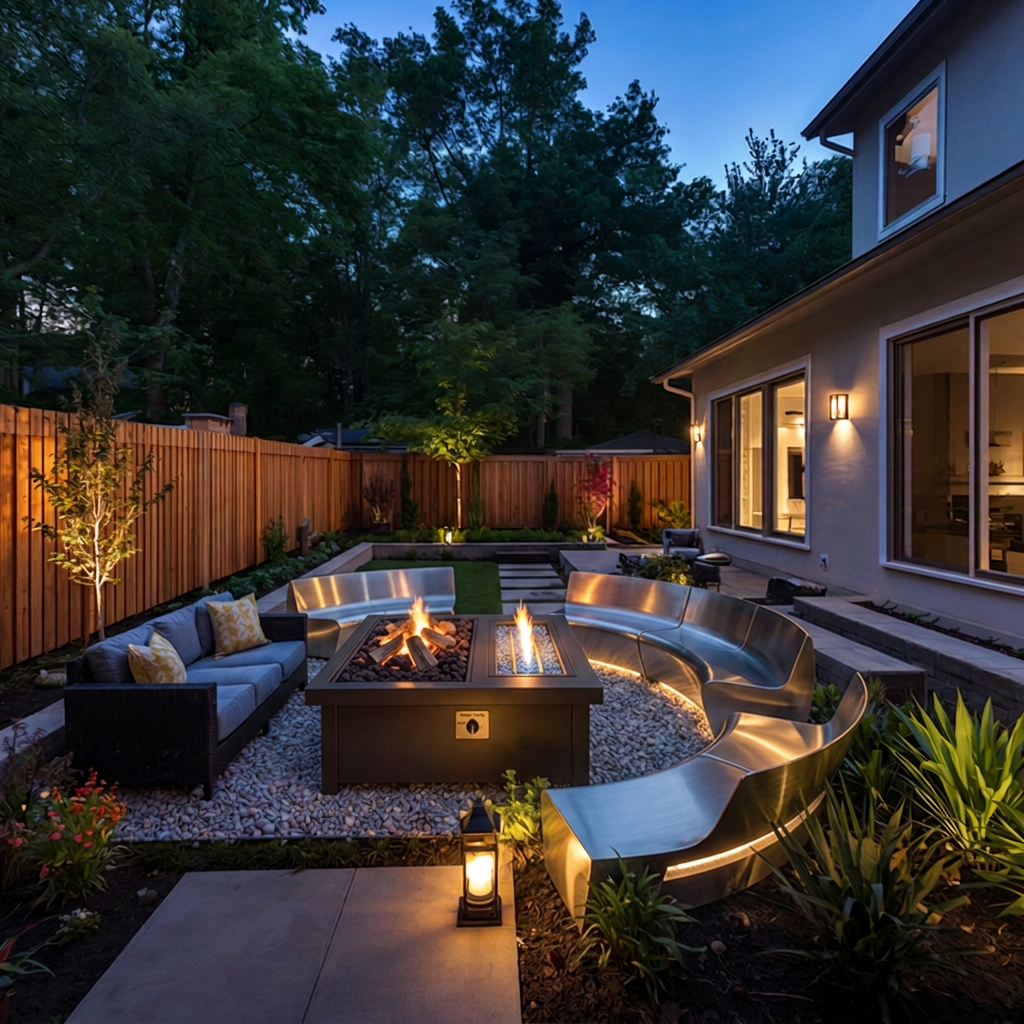
Fixed benches are being re‑engineered with air gaps and heat‑shield materials so you can sit closer without scorching. Look for powder‑coated steel frames paired with stone or concrete tops that stay cool to the touch. Some designs even incorporate angled side panels that reflect warmth outward into the seating zone, perfect for Sydney’s cooler months.
3. Recycled & Low‑Carbon Materials
Sustainability is no longer a niche request. In 2026, fire pits are being built from crushed concrete aggregate, recycled brick, and low‑carbon cast concrete. Even lava rocks are being replaced by industrial by‑products like slag or recycled glass aggregates that retain heat just as well. Clients are asking for pits that look good and have a verified lower environmental footprint.
4. The “Reverse Bowl” Smoke Reduction Design
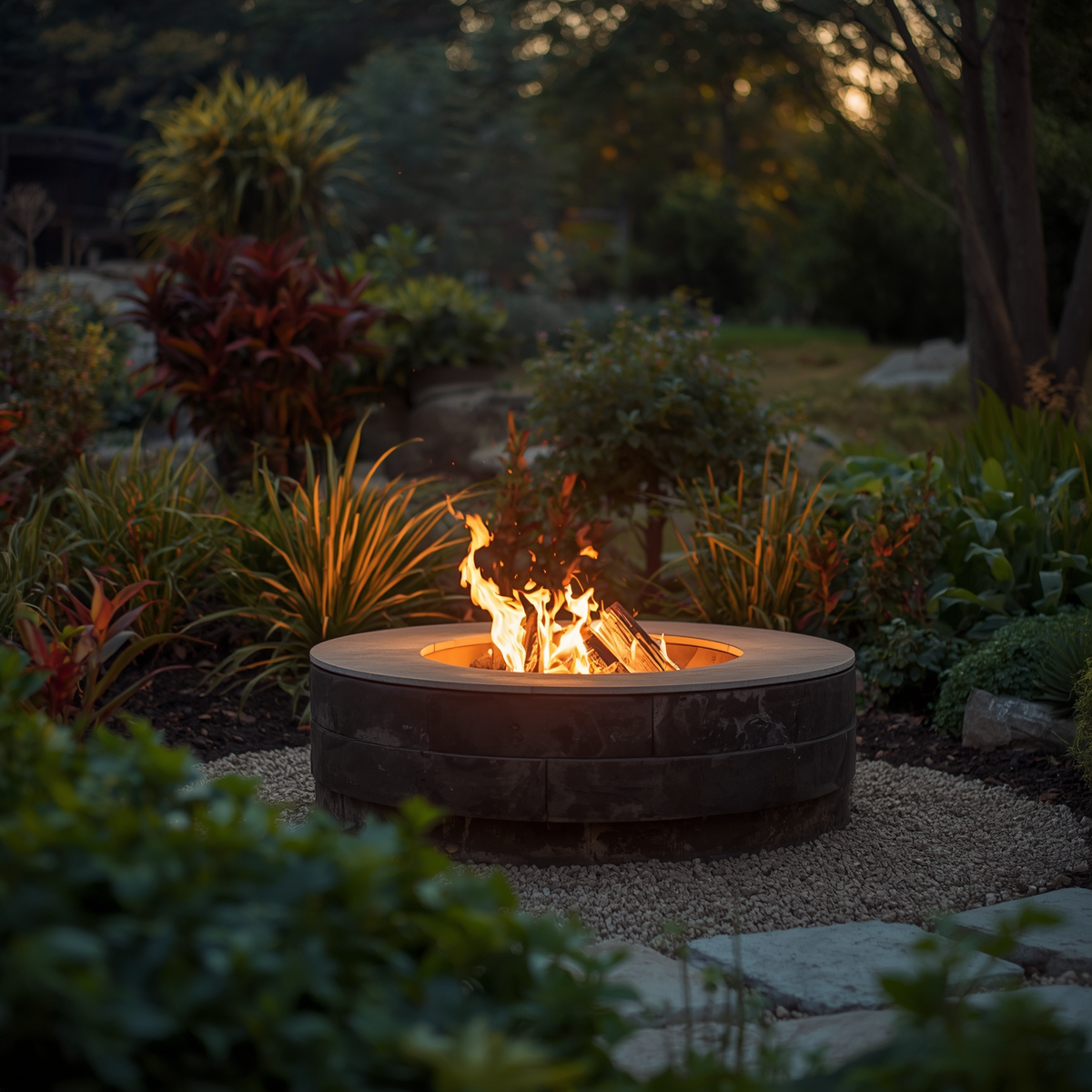
Traditional fire pits send smoke straight up, often into your guests’ faces. New reverse‑bowl or double‑wall designs create a secondary air intake that re‑burns smoke particles before they escape. The result: up to 80% less smoke without any fan or electricity. These pits still burn real wood, but you’ll leave the gathering spot smelling like fresh air, not a campfire.
5. Smart Fire Pit Controls
Yes, even fire pits are getting smarter. Budget‑friendly Bluetooth and Wi‑Fi modules now allow you to:
-
Adjust the gas flame height from your phone
-
Set automatic shut‑off timers (great for late‑night safety)
-
Receive maintenance reminders (ash clean‑out, gas line checks)
For wood burners, smart temperature probes embedded in the base can alert you when the fire is cool enough to be covered or left unattended.
6. Multi‑Level Fire Pit Landscaping
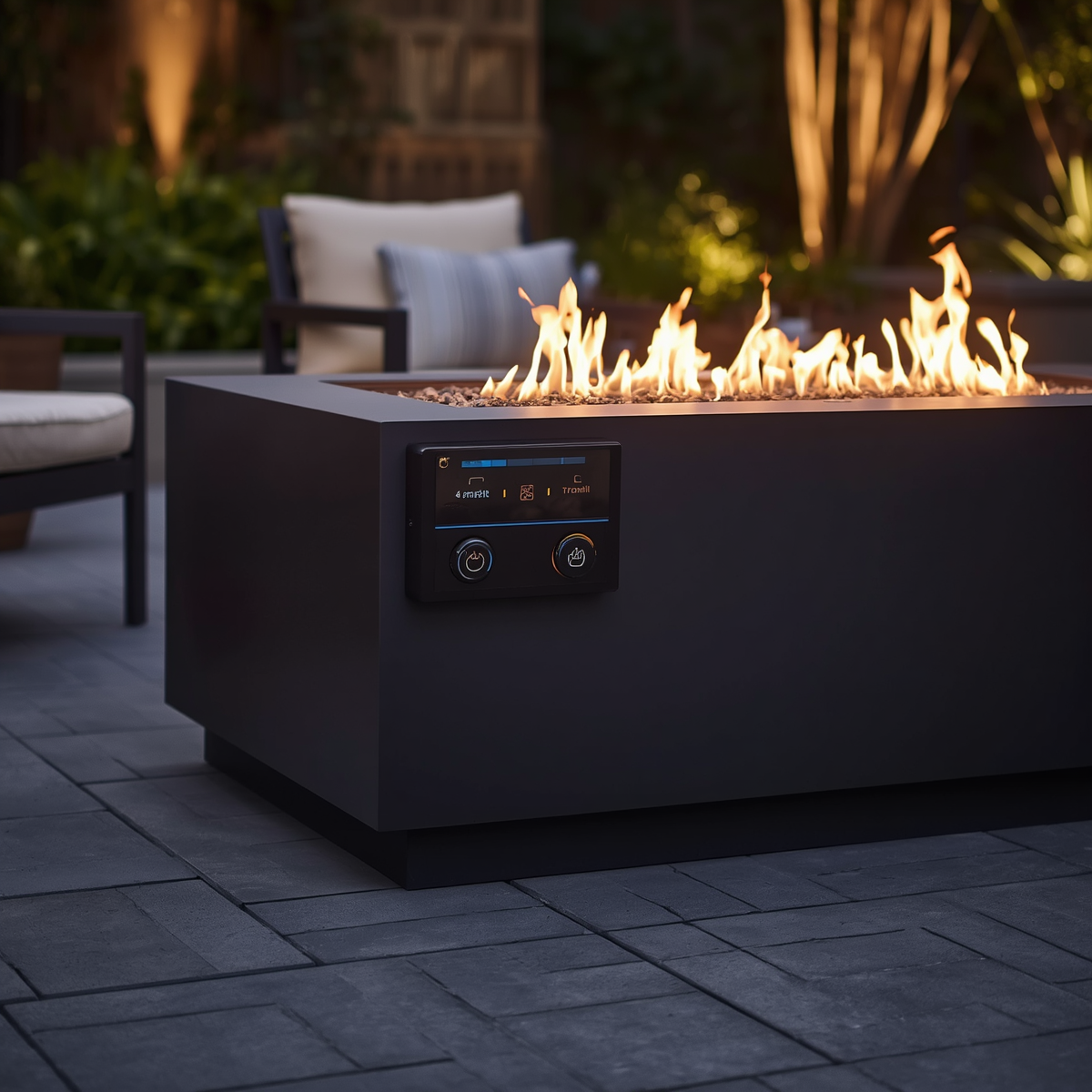
Instead of a single pit on flat ground, 2026 favours stepped or sunken fire pit zones. A lowered conversation pit (one or two steps down) creates a sheltered, intimate atmosphere. Conversely, a raised plinth with a recessed fire bowl turns the fire into a sculptural centrepiece visible from inside the house. Both approaches reduce wind interference, keeping your flame steady.
7. Low‑Water Surround Planting
Fire pit areas are moving away from thirsty lawns and towards gravel, decomposed granite, and drought‑tolerant perennials. Think silver foliage (Dusty Miller, Lamb’s Ears) and low‑growing sedums that don’t mind reflected heat. This trend saves water, reduces maintenance, and creates a clean, modern transition from the hardscape fire zone to the rest of the garden.
Why Fire Pit Landscaping Matters
Fire pit landscaping is more than just placing a pit in your yard. It involves thoughtful planning to create a space that complements your outdoor environment while providing safety and comfort. With the right fire pit design, you can elevate the charm of your backyard and make it a year-round gathering place.
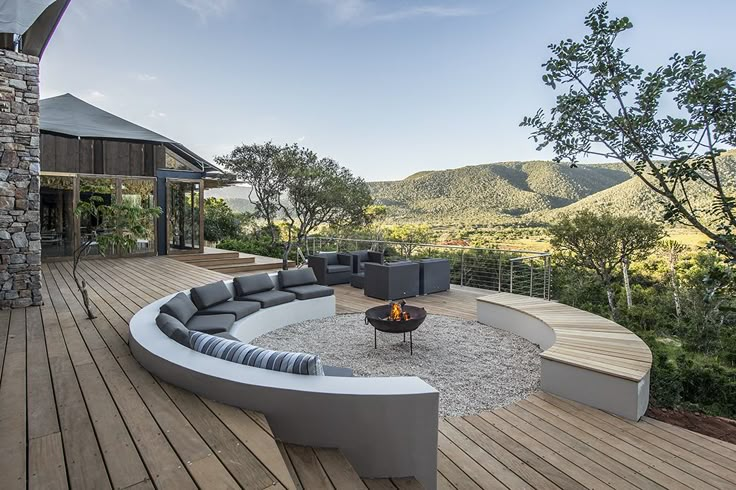
Fire Pit Seating Area Ideas
Choosing the right seating arrangement is crucial for maximizing comfort and usability. Here are some fire pit seating area ideas to inspire you:
- Built-in Stone Benches: Durable and weather-resistant, they provide a rustic look and permanent seating.
- Adirondack Chairs: Classic and comfortable, perfect for a casual vibe.
- Circular Seating: Create an intimate atmosphere with seating that wraps around the fire pit.
- Movable Furniture: Flexibility to rearrange as needed for different gatherings.
Outdoor Fire Pit Ideas for Every Space
From expansive gardens to compact patios, there are plenty of outdoor fire pit ideas to suit your space:
- Modern Minimalist: Sleek, concrete designs with clean lines for contemporary spaces.
- Rustic Retreat: Use natural stones and wood accents to create a cozy, cabin-like feel.
- Small Backyard Fire Pit Ideas Landscaping: For limited spaces, consider portable fire pits or vertical landscaping to save space without compromising style.
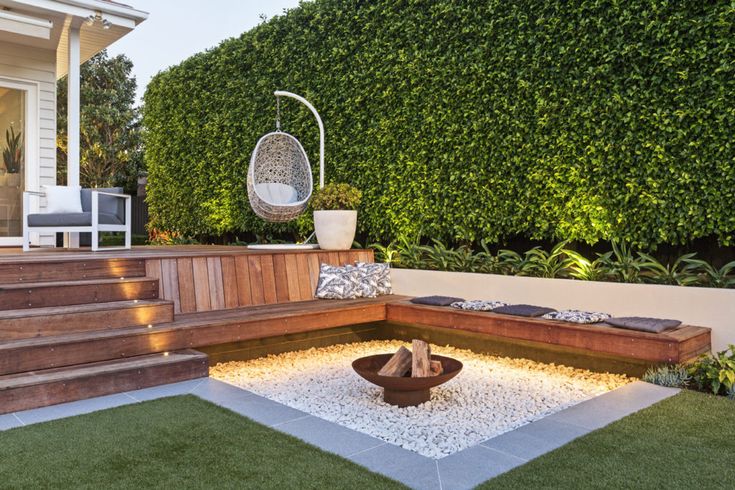
Best Materials for Fire Pit Landscaping
When designing your fire pit area, selecting the right materials is essential for both aesthetics and safety.
What Is the Best Thing to Put Under a Fire Pit?
The best base for a fire pit is a heat-resistant material like:
- Paver Stones: Durable and visually appealing.
- Fire-Resistant Bricks: Offer excellent protection against heat.
- Gravel: Affordable, easy to install, and provides good drainage.
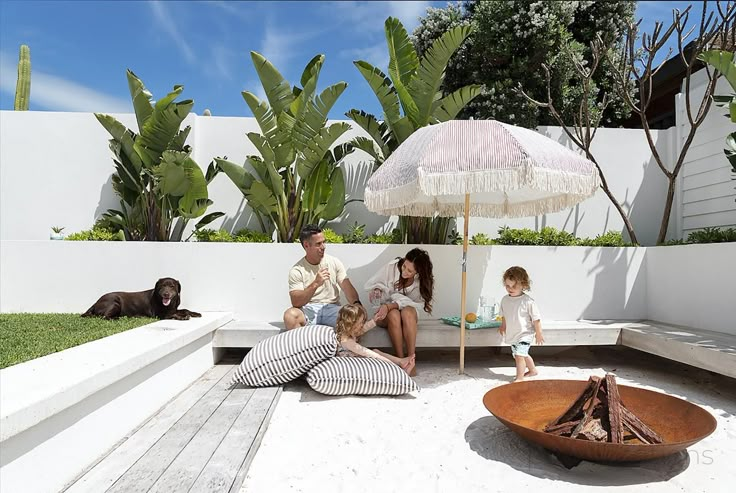
What Is the Best Landscape Rock for a Fire Pit?
The idea rocks for fire pit landscaping include:
- Lava Rocks: Heat-resistant and lightweight.
- Crushed Granite: Durable with a natural look.
- River Rocks: Smooth and attractive, though they must be used cautiously as they can retain moisture and crack under high heat.
Pros and Cons of Having a Fire Pit
While fire pits offer numerous benefits, it’s important to consider potential drawbacks.
What Are the Disadvantages of a Fire Pit?
- Maintenance: Regular cleaning is needed to prevent ash buildup.
- Safety Risks: Open flames can be hazardous if not properly managed.
- Smoke: Wood-burning pits can produce smoke, which might be bothersome in small or enclosed spaces.
Do Fire Pits Give Out Much Heat?
Yes, fire pits can provide substantial warmth, especially wood-burning models. The heat output depends on the size of the pit, the type of fuel used, and the design. Gas fire pits tend to produce less heat than wood-burning ones but offer cleaner burning with minimal smoke.
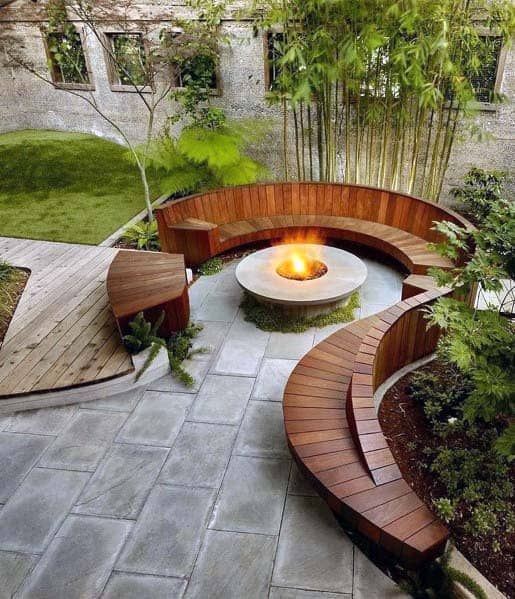
Wood Fire Pit Landscaping Tips
For those who prefer the traditional charm of a wood-burning fire pit, here are some tips:
- Use fire-resistant materials around the pit.
- Incorporate storage areas for firewood.
- Ensure proper ventilation to control smoke direction.
Fire Pit Landscaping Ideas: Create the Perfect Outdoor Gathering Space
A well-designed fire pit can completely transform your backyard into a warm and welcoming retreat. Whether you’re entertaining guests, spending quality time with family, or simply relaxing after a long day, a thoughtfully landscaped fire pit creates an inviting focal point that can be enjoyed throughout the year.
Modern fire pit landscaping is about more than placing a fire bowl in the middle of your yard. It combines practical design, comfortable seating, safe materials, and attractive planting to create an outdoor space that complements your home while adding value to your property.
2026 Fire Pit Landscaping Trends
Outdoor living continues to evolve, and fire pits remain one of the most sought-after landscape features. Here are the biggest trends shaping backyard fire pit ideas in 2026.
Dual-Fuel Fire Pits
Dual-fuel fire pits allow homeowners to enjoy both gas and wood-burning options. Gas offers convenience and low maintenance, while wood delivers the traditional crackling fire experience. This flexibility is especially useful during changing weather conditions or local fire restrictions.
Sustainable Materials
Environmentally conscious landscaping is becoming increasingly popular. Fire pits built with recycled concrete, reclaimed bricks, and low-carbon materials reduce environmental impact without sacrificing style. Recycled glass and heat-resistant aggregates also provide attractive alternatives to traditional lava rocks.
Smoke-Reducing Fire Pit Designs
Modern double-wall and reverse-bowl fire pits improve airflow, creating cleaner combustion that significantly reduces smoke. These designs make outdoor entertaining more enjoyable while requiring less maintenance.
Smart Fire Pit Technology
Smart outdoor living has reached fire pits. Many gas models now feature Bluetooth or Wi-Fi controls, allowing homeowners to adjust flame height, set timers, and monitor maintenance using their smartphones.
Multi-Level Outdoor Living
Sunken seating areas and raised fire pit platforms create visual interest while improving comfort. These designs also help shield flames from wind, making the fire pit more practical throughout the year.
Drought-Friendly Landscaping
Australian homeowners are replacing thirsty lawns with gravel, decorative stone, decomposed granite, and drought-tolerant plants. These low-maintenance landscapes provide a clean, modern appearance while improving fire safety.
Why Fire Pit Landscaping Matters
A fire pit becomes much more enjoyable when it’s integrated into the overall landscape design. Proper planning improves safety, enhances comfort, and creates a seamless transition between entertaining areas and the rest of your garden.
Well-designed fire pit landscaping offers several benefits:
- Creates a natural gathering place for family and friends.
- Extends the use of outdoor spaces during cooler months.
- Improves the visual appeal of your backyard.
- Adds value to your home.
- Provides a functional focal point for entertaining.
Whether you have a spacious backyard or a compact courtyard, thoughtful landscaping can maximise your available space.
Fire Pit Seating Area Ideas
Comfortable seating is essential for creating a welcoming outdoor environment. Choose seating that complements your home’s style while providing enough space for guests to relax safely around the fire.
Built-In Stone Benches
Stone benches offer durability and timeless appeal. They require minimal maintenance and can be customised to match existing retaining walls or paving.
Adirondack Chairs
These classic chairs provide exceptional comfort and are easy to rearrange when entertaining different-sized groups.
Circular Seating
Arranging seating in a circle encourages conversation while ensuring everyone enjoys the warmth of the fire equally.
Flexible Outdoor Furniture
Portable lounge chairs, benches, or modular outdoor furniture allow you to adapt the layout for different occasions.
Backyard Fire Pit Landscaping Ideas
There are countless ways to personalise your outdoor fire pit area.
Modern Minimalist
Concrete fire pits paired with large-format pavers, clean lines, and neutral colours create a contemporary outdoor space.
Rustic Garden Retreat
Natural stone, timber seating, and native Australian plants produce a relaxed atmosphere that blends beautifully with the landscape.
Small Backyard Fire Pit Ideas
Limited outdoor space doesn’t mean sacrificing comfort. Compact fire bowls, built-in seating, vertical gardens, and multi-functional furniture help maximise smaller backyards while maintaining an open feel.
Choosing the Best Materials
The right landscaping materials improve both safety and appearance.
What Is the Best Thing to Put Under a Fire Pit?
Every fire pit requires a stable, heat-resistant foundation. Suitable base materials include:
- Concrete pavers
- Fire-rated bricks
- Crushed gravel
- Compacted decomposed granite
These materials provide excellent drainage while protecting surrounding surfaces from heat damage.
Best Landscape Rocks for Fire Pit Areas
Decorative stone enhances the appearance of your fire pit while helping manage heat.
Popular choices include:
- Lava rock
- Crushed granite
- Basalt
- Decorative gravel
Avoid using moisture-retaining rocks that may crack or explode when exposed to high temperatures.
Fire Pit Landscaping Safety Tips
Safety should always be a priority when designing your outdoor fire pit.
Consider these recommendations:
- Position the fire pit well away from buildings and overhanging trees.
- Keep combustible materials clear of the fire area.
- Install the pit on a non-combustible surface.
- Maintain adequate ventilation.
- Keep a bucket of water, sand, or fire extinguisher nearby.
- Follow your local council regulations regarding outdoor fires.
Thoughtful planning helps minimise risks while creating a more enjoyable outdoor experience.
Pros and Cons of Fire Pits
Before installing a fire pit, it’s important to understand both the advantages and limitations.
Benefits
- Provides warmth during cooler evenings.
- Creates a relaxing outdoor atmosphere.
- Increases entertainment opportunities.
- Enhances backyard aesthetics.
- May improve property value.
Drawbacks
- Wood-burning fire pits require regular cleaning.
- Smoke may affect nearby seating areas.
- Open flames require constant supervision.
- Local fire restrictions may limit usage during high-risk periods.
Selecting the right fire pit design can minimise many of these challenges.
Wood Fire Pit Landscaping Tips
Wood-burning fire pits remain a popular choice because they create a traditional outdoor experience.
For the best results:
- Surround the pit with fire-resistant materials.
- Store firewood in a dry, accessible location.
- Use seasoned hardwood to reduce smoke.
- Design seating to avoid prevailing winds.
- Include pathways for easy access.
Combining these practical features with attractive landscaping creates a functional outdoor entertaining space.
Are Fire Pits Legal in Sydney?
Yes, fire pits are generally permitted in Sydney, but they must comply with local council regulations and NSW fire safety requirements. Smoke must not create a nuisance for neighbours, and fire pits should never be used during Total Fire Bans unless specifically permitted. Before installing a permanent fire pit, it’s wise to check with your local council regarding any restrictions that apply to your property.
How Much Does It Cost to Put a Fire Pit in Your Backyard?
The cost varies depending on size, materials, and installation.
Typical price ranges include:
- Portable fire pits: $150–$800
- DIY built-in fire pits: $500–$2,000
- Professionally landscaped fire pit areas: $3,000–$10,000+
Additional expenses may include paving, seating, lighting, drainage, and landscaping.
Can a Fire Pit Be Placed on Grass?
Placing a fire pit directly on grass is not recommended. Heat can scorch the lawn and increase fire risk. Instead, install your fire pit on pavers, gravel, concrete, or fire-resistant bricks to provide a safe and stable base.
Can I Have a Fire Pit Under a Patio?
Generally, fire pits should not be placed beneath covered patios or enclosed structures unless they are specifically designed for that environment and have adequate ventilation. Open flames beneath combustible roofing materials create unnecessary safety risks.
What Rocks Not to Use for a Fire Pit?
Avoid using rocks that contain trapped moisture, including river rocks, limestone, sandstone, and other porous stones. These materials can crack or explode when exposed to intense heat. Fire-rated lava rock, basalt, and crushed granite remain the safest options.
How Many Landscape Blocks Do I Need for a Fire Pit?
The number of landscape blocks depends on the size and height of your fire pit. A standard circular fire pit measuring around 900–1,000 mm in diameter typically requires between 30 and 45 retaining wall blocks arranged over two or three courses. Always follow the manufacturer’s recommendations or your landscape design specifications.
Final Thoughts
A professionally designed fire pit landscaping project creates a stylish and practical outdoor living space that can be enjoyed throughout every season. From selecting the right materials and seating to incorporating drought-tolerant plants and modern fire pit designs, careful planning ensures your backyard remains safe, comfortable, and visually appealing.
Whether you’re creating a compact courtyard retreat or a spacious entertaining area, investing in quality fire pit landscaping allows you to enjoy more time outdoors while adding lasting value to your home.
Final Thoughts
Creating the perfect gathering spot with fire pit landscaping involves more than just aesthetics. It’s about designing a space that’s safe, functional, and welcoming. By considering your seating arrangements, materials, and fire pit design, you can transform your backyard into a cozy retreat for every season.