
Introduction: The Evolving Sydney Landscape
As we move through 2026, the Sydney landscape design guide 2026 represents more than just gardening—it’s a sophisticated fusion of art, environmental science, and technology. Sydney homeowners are reimagining their outdoor spaces as extensions of their living areas, ecological sanctuaries, and climate-resilient retreats. With increasing urbanisation and climate consciousness, this year’s approach to landscaping combines innovative design principles with practical solutions for the unique Australian environment.
This comprehensive guide explores the latest trends, materials, and considerations shaping Sydney’s landscape design scene, providing you with the knowledge to create an outdoor space that’s both beautiful and future-proof.
Section 1: The 2026 Sydney Landscape Philosophy
Biophilic Design Takes Centre Stage
In 2025, Sydney landscape architects are embracing biophilic design principles more deeply than ever. This approach goes beyond simply adding plants—it creates a seamless connection between indoor and outdoor living, incorporating natural materials, water features, and habitat creation. Expect to see more native garden design Sydney projects that specifically attract local birds and pollinators, turning gardens into living ecosystems rather than static displays.

Climate-Responsive Design
With Sydney experiencing more intense weather patterns, climate-adaptive landscaping has become essential. Designers are implementing strategies for heat mitigation through strategic tree placement, creating cool zones with water features, and selecting plants that can withstand both drought and intense rainfall. This forward-thinking approach is particularly evident in residential landscaping Sydney projects, where homeowners seek both beauty and resilience.
The Multi-Functional Outdoor Room
The concept of the “outdoor room” has evolved dramatically. In 2025, these spaces are fully integrated with smart home technology, complete with weather-responsive shading systems, outdoor kitchens with integrated appliances, and entertainment zones with built-in audiovisual systems. This trend reflects Sydney’s enviable climate and the desire to maximise living space.
The Regenerative Garden Mandate
Moving beyond mere sustainability, the 2026 Sydney landscape philosophy embraces a regenerative mandate. This means your garden should actively improve its environment—enhancing local soil health, recharging groundwater, and increasing biodiversity rather than simply reducing harm. Designers are now specifying plants and materials that build ecological capital over time, such as deep-rooted native perennials that sequester carbon and prevent erosion, and living mulches that enrich the soil. A truly modern Sydney garden no longer just “sustains”; it heals, grows, and gives back to its immediate ecosystem.
Section 2: Key Trends Shaping Sydney Gardens in 2025
1. Native-First Planting Schemes
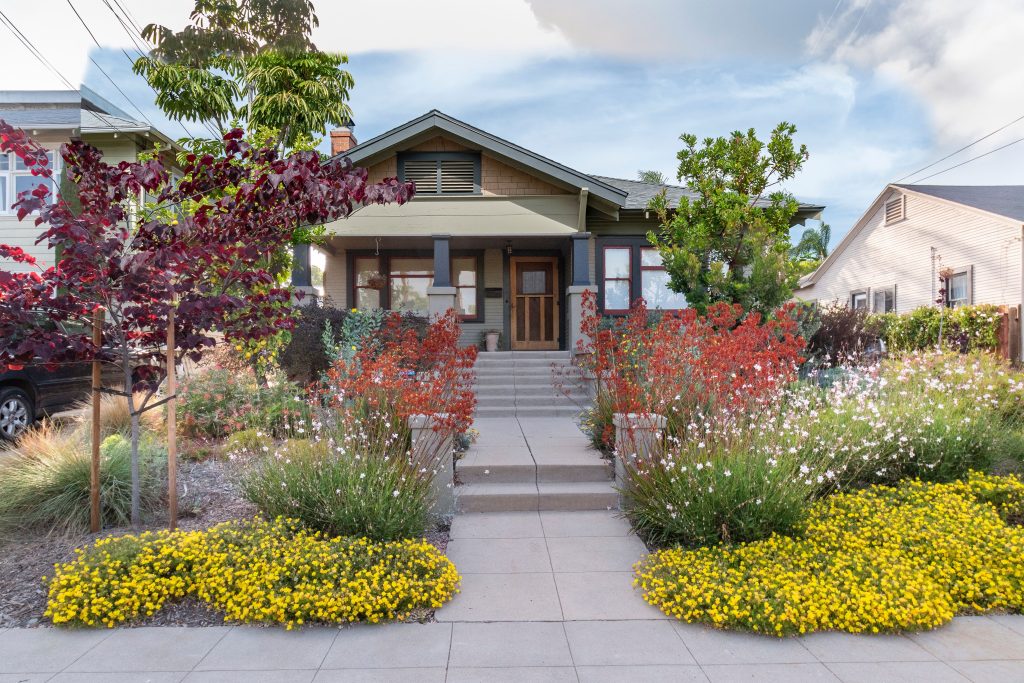
The movement toward Australian native landscaping has matured beyond token gestures. Leading designers are creating sophisticated palettes using exclusively native plants, demonstrating their incredible diversity and beauty. Expect to see creative uses of:
- Mass plantings of Lomandra for structural elegance
- Flowering displays of Grevilleas and Callistemons
- Textural contrasts using native grasses and groundcovers
2. Sustainable Water Management
Water-sensitive urban design (WSUD) principles are now standard in Sydney landscape architecture. Key features include:
- Rain gardens that filter and absorb stormwater
- Permeable paving solutions that reduce runoff
- Smart irrigation systems that respond to weather forecasts
- Decorative rainwater tanks integrated into design features
3. Edible Landscaping Integration
The line between ornamental and productive gardens has completely blurred. Sydney homeowners are incorporating fruit trees Sydney, vegetable gardens, and herb spirals into their landscape designs. Espaliered citrus trees now function as living fences, while raised vegetable beds are designed with aesthetic materials that complement the overall design.
4. Lighting as a Design Element
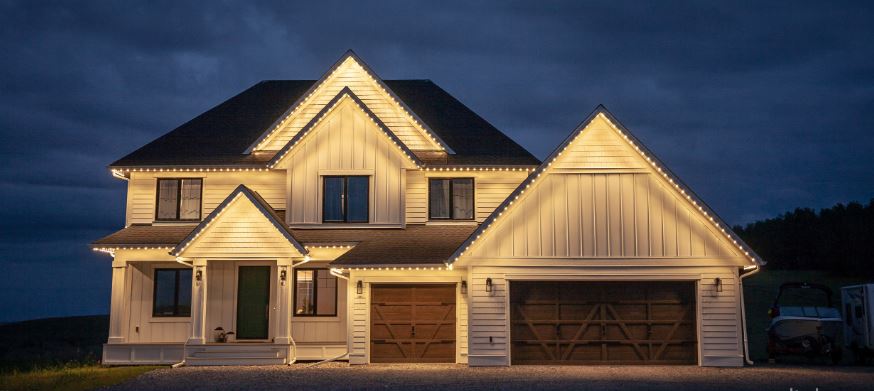
Advancements in solar and LED technology have transformed garden lighting Sydney from functional afterthought to an integral design component. Expect to see:
- Subtle pathway lighting that enhances safety without light pollution
- Feature lighting for specimen trees and water elements
- Programmable lighting systems that change with seasons and occasions
5. Natural Swimming Pools and Wildlife Ponds
Chlorine-free natural swimming pools Sydney are gaining popularity, combining recreation with ecological benefits. Similarly, wildlife ponds designed to support local frog and insect populations are becoming common features, even in small urban gardens.
Section 3: Structural Elements: Building for the Future
Smart Retaining Walls
Retaining wall companies in Sydney are innovating with materials and designs that serve multiple purposes. Custom retaining walls in 2025 aren’t just functional—they incorporate seating, lighting, and planting pockets. Popular materials include:
- Recycled composite materials with excellent durability
- Natural stone with digital patterning for consistency
- Gabion walls filled with recycled materials
Advanced Turf Solutions
Turf laying Sydney services now offer sophisticated solutions beyond traditional lawns:
- Drought-tolerant turf varieties specifically bred for Sydney’s climate
- Hybrid systems combining turf with synthetic elements for high-wear areas
- Low-maintenance lawn alternatives like native groundcovers
Innovative Paving and Surfaces
Materials technology has revolutionised hardscaping:
- Permeable pavers Sydney that manage stormwater while providing stable surfaces
- Cool-pavement technologies that reduce heat absorption
- Patterned concrete that mimics natural materials at lower cost
Section 4: The Design Process for 2025
Phase 1: Site Analysis and Visioning
Contemporary Sydney landscape designers begin with a comprehensive analysis:
- Soil testing Sydney for composition and contamination
- Sun and shade mapping throughout the year
- Existing vegetation assessment and preservation planning
- Microclimate identification for optimal plant placement
Phase 2: Conceptual Design
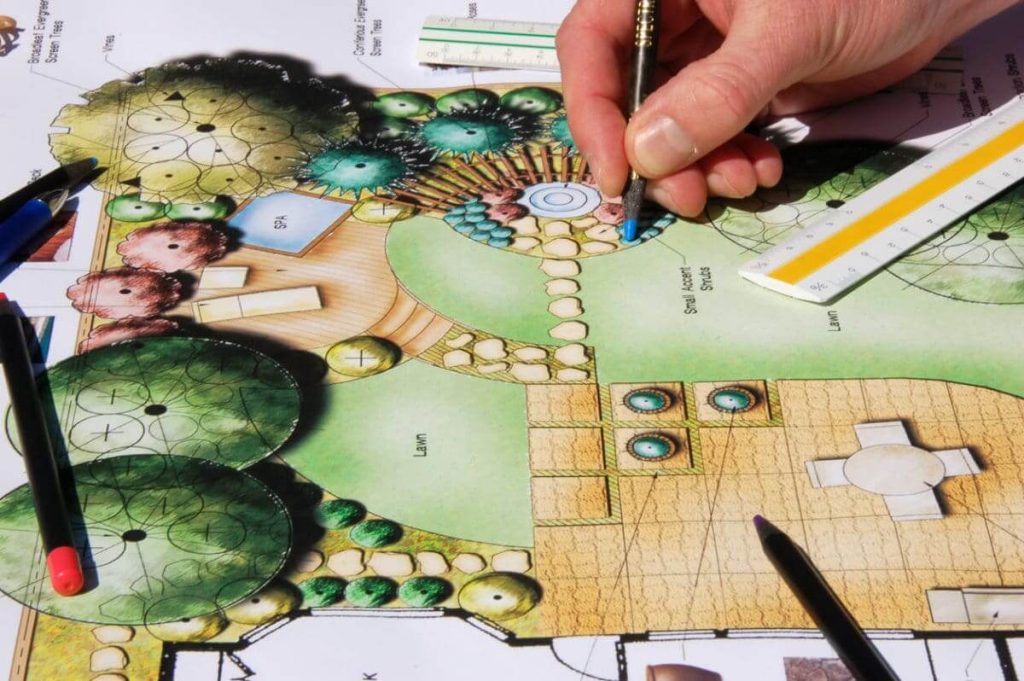
Using advanced visualisation tools, designers create 3D models that allow clients to “walk through” their proposed garden. Virtual reality experiences are becoming more common, particularly for high-end residential landscaping Sydney projects.
Phase 3: Material Selection
The 2025 palette emphasises:
- Locally sourced materials to reduce transport emissions
- Recycled and upcycled elements
- Natural materials that age gracefully
Phase 4: Implementation with Technology
Landscape construction Sydney firms now utilise:
- Robotic total stations for precise layout
- GPS-guided machinery for minimal site disruption
- Drone monitoring of progress and quality control
Phase 5: Smart Maintenance Integration
Designs now include maintenance considerations from the outset:
- Irrigation systems with soil moisture sensors
- Access pathways for maintenance equipment
- Plant choices that match desired maintenance levels
Section 5: Special Considerations for Sydney in 2025
Bushfire-Resilient Landscaping
For properties in interface zones, bushfire resistant landscaping Sydney principles are increasingly important:
- Strategic placement of deciduous trees as radiant heat screens
- Use of fire-resistant plant species in key zones
- Creation of defendable space without sacrificing aesthetics
Coastal Garden Adaptations
Coastal landscaping Sydney must address:
- Salt-tolerant plant selections
- Windbreak design that doesn’t block views
- Erosion control using vegetation rather than hard structures
Small Space Innovations
For urban properties, small garden design Sydney focuses on:
- Vertical gardens with integrated irrigation
- Multi-functional furniture and features
- Illusion techniques that make spaces feel larger
Managing the Urban Heat Island Effect
With Sydney suburbs experiencing more frequent heatwaves, tackling the Urban Heat Island (UHI) effect is a critical 2026 consideration. Dark pavements, roofing, and sparse planting can make local temperatures up to 7°C higher than nearby bushland zones. Effective landscape design now strategically deploys “cool corridors”, shaded pathways using deciduous trees like Fraxinus griffithii or reflective ground covers to direct airflow. Furthermore, replacing non-porous, heat-absorbing surfaces with permeable, light-coloured gravel or specialised cool pavers can dramatically lower ambient ground temperatures around your home, reducing air-conditioning loads and creating genuinely livable summer microclimates.
Section 6: Sustainability and Ecology in Practice
Carbon-Positive Landscaping
Forward-thinking designers are calculating and offsetting the carbon footprint of their projects, with some aiming for carbon-positive outcomes through:
- Maximizing planting areas
- Using locally sourced materials
- Incorporating soil regeneration techniques
Biodiversity Net Gain
Many councils now encourage or require biodiversity positive landscaping, which means designs must enhance local ecology through:
- Creating habitat corridors
- Using provenance-native plants
- Including specific features for target species
Circular Economy Principles
The concept of waste is being redesigned in landscape projects:
- On-site material recycling
- Design for disassembly and reuse
- Composting systems integrated into garden designs
Section 7: Technology Integration
The Smart Garden Ecosystem
Smart garden technology Sydney in 2025 includes:
- Irrigation systems that respond to weather forecasts
- Soil sensors that monitor health and nutrient levels
- Robotic mowers and maintenance equipment
- App-controlled lighting, water features, and entertainment systems
Design Software Advancements
Landscape design software now incorporates:
- AI-powered plant selection based on site conditions
- Augmented reality for visualising designs in situ
- Climate modelling to predict plant performance
Section 8: Working with Professionals
Choosing the Right Team
When selecting professionals for Landscape Design in Sydney 2025, consider:
- Qualified landscape architects Sydney with sustainability credentials
- Specialists in custom garden design Sydney who understand local conditions
- Landscaping contractors Sydney with proven experience in innovative techniques
Understanding Costs and Value
Investment in professional landscaping typically ranges from $150-$450 per square meter, with returns including:
- Increased property value (often 5-15%)
- Reduced energy costs through strategic planting
- Lower water bills through efficient design
- Decreased maintenance requirements over time
Section 9: Regulatory Considerations
Council Requirements in 2025
Recent changes to regulations affect:
- Tree preservation and removal permissions
- Stormwater management requirements
- Biodiversity offset provisions in some areas
- Fencing regulations and neighbourhood considerations
Compliance and Certification
Voluntary programs like:
- Sustainable Sites Initiative (SITES) certification
- Waterwise garden accreditation
- Wildlife-friendly garden certification
Section 10: Future-Proofing Your Investment
Climate Adaptation Strategies
To ensure your garden thrives in the coming decades:
- Select plants with wide climate tolerance ranges
- Design for flexibility—spaces that can evolve
- Include infrastructure for potential future needs (outdoor workspaces, etc.)
Maintenance Evolution
Consider how maintenance will change:
- Automated systems for routine tasks
- Seasonal adjustment plans
- Long-term pruning and renewal schedules
Designing for Water Abundance, Not Just Scarcity
While drought preparedness remains vital, the 2026 landscape also accounts for Sydney’s new rainfall reality: intense downpours following dry spells. Future-proofing now means designing for water abundance—managing sudden deluges as a resource, not a flood risk.
This involves creating “dry creek beds” that double as decorative features and rain gardens positioned to capture roof runoff within 10 minutes of a storm. The goal is to slow, spread, and sink water on your property. By integrating these sponge-like elements, your garden will resist erosion, stay hydrated through dry periods, and prevent local stormwater pollution—turning a climate challenge into a landscape advantage.

Conclusion: Your Sydney Garden in 2025 and Beyond
The landscape of Landscape Design in Sydney 2025 represents an exciting convergence of aesthetics, technology, and ecology. Today’s gardens are measured not just by their beauty, but by their contribution to environmental health, their resilience to changing conditions, and their enhancement of daily life.
Whether you’re planning a modest courtyard refresh or a comprehensive property transformation, the principles outlined in this guide will help you create a space that’s not only stunning today but will continue to thrive and bring joy for years to come. By embracing the trends of native planting, smart technology, sustainable practices, and multifunctional design, your Sydney garden can become a personal sanctuary that also contributes positively to our urban ecosystem.
The most successful Sydney gardens 2025 will be those that recognize our interconnectedness with the natural world while celebrating the unique opportunity we have in Sydney to live in harmony with our spectacular environment. Your landscape is more than a project—it’s a living legacy that reflects our time’s values and vision for a sustainable future.