
Introduction: Why Sydney Homes Need Retaining Walls
Sydney’s landscape is as diverse as its people—coastal cliffs, rolling hills in the North Shore, steep slopes in the Blue Mountains foothills, and gently undulating land in the Western Suburbs. This varied topography, combined with the city’s significant rainfall and unique soil compositions, makes retaining walls Sydney not just a landscaping feature but a critical structural necessity for thousands of homeowners. Whether you’re battling soil erosion in Bondi, creating a level backyard for a pool in Castle Hill, or preventing a landslide on a bush block in the Northern Beaches, a properly designed and constructed retaining wall protects your property, adds functional space, and enhances aesthetic appeal.
Retaining walls Sydney guide
This comprehensive guide serves as your definitive resource for everything related to retaining walls in the Sydney context. We will delve into council regulations, material choices best suited for our climate, a transparent breakdown of retaining walls Sydney cost, and how to choose between a Bunnings retaining wall DIY project and hiring professional retaining wall contractors Sydney. From understanding the role of retaining wall specialists near me to sourcing retaining wall supplies Sydney, this article equips you with the knowledge to make informed decisions for your home.

Chapter 1: Understanding Retaining Wall Basics and Sydney’s Unique Challenges
A retaining wall is a structure designed to restrain soil to unnatural slopes. In simpler terms, it holds back dirt. In Sydney, these structures contend with specific local factors:
- Soil Types: Sydney features a mix of sandstone bedrock (especially in the North Shore and Eastern Suburbs), clay soils (prevalent in the West), and sandy soils (coastal areas). Each has different drainage and load-bearing properties, influencing wall design.
- Weather Patterns: Heavy, sudden downpours are common. A wall must incorporate excellent drainage (weep holes and ag-lines) to prevent water pressure (hydrostatic pressure) from building up behind it and causing failure.
- Council Regulations (DA Approval): This is paramount. Most Sydney councils require Development Application (DA) approval for any retaining wall over 1 metre in height. Some councils, like those in heritage zones or sensitive bushland areas, have stricter rules. Engaging retaining wall specialists familiar with your local council’s codes is crucial to avoid fines and ensure safety.
Chapter 2: Types of Retaining Walls: Choosing the Right One for Your Sydney Property
The choice of wall depends on height, soil conditions, budget, and desired aesthetics. Here are the most common types used in Sydney:
1. Gravity Walls
Rely on their own mass to hold back the soil. Ideal for shorter walls (up to ~1m). Common materials include retaining wall blocks (interlocking concrete units), large natural stone, or timber sleepers.
2. Cantilevered Walls
Made from reinforced concrete or masonry and use a lever arm principle for stability. They are common for taller walls (1m-6m) in engineering applications and are a core type of concrete retaining walls Sydney.
3. Sheet Piled Walls
Used in tight spaces or very soft soils, often for basement constructions or coastal erosion control. Less common for standard residential projects.
4. Anchored Walls
Use cables or rods anchored into the soil or rock behind the wall for additional support. Used for the tallest or most challenging sites.
5. Segmental Retaining Walls (SRWs)
The most popular choice for modern Sydney homes. These use interlocking retaining wall blocks that are dry-stacked (no mortar) and often include a built-in batter (slight backward lean) for stability. They are versatile, aesthetically pleasing, and DIY-friendly for low walls.
Chapter 3: Deep Dive: Materials for Sydney Retaining Walls
Retaining Wall Supplies Sydney are plentiful, but choosing the right material is key.
Concrete Retaining Walls Sydney: The Durable Workhorse
- Pros: Ultimate in strength and durability, perfect for tall walls, can be formed into curves, low maintenance, excellent for modern architectural styles.
- Cons: Higher upfront cost, requires professional retaining wall constructions teams, can look industrial if not finished well (options include off-form, painted, or rendered).
- Best For: Tall walls (over 1.5m), steep blocks, projects where longevity is the top priority.
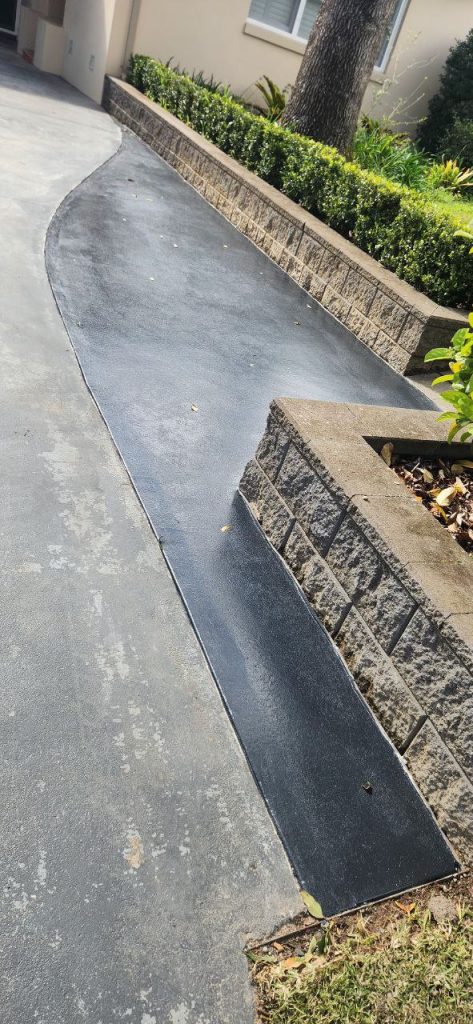
Interlocking Concrete Retaining Wall Blocks: The Versatile Favorite
- Pros: Huge variety of colours, textures (stone, slate, timber-look), and sizes. Easier to install than poured concrete, good DIY potential for short walls. The core component of most Bunnings and specialist landscape supplier kits.
- Cons: Can be heavy to handle, require a perfectly compacted base, and may have height limitations without professional engineering.
- Best For: Garden beds, terraced landscapes, pool surrounds, and walls up to 1.5m with proper base preparation.
Natural Stone: The Premium Classic
- Pros: Stunning, natural aesthetic that blends beautifully, especially with Sydney’s bushland and heritage homes. Extremely durable.
- Cons: Very high retaining walls Sydney cost due to material and skilled labour, installation is slow and requires a master stonemason.
- Best For: Heritage properties, high-end landscape designs, feature walls in prominent locations.
Timber Sleepers: The Traditional Choice
- Pros: Warm, natural look, lower initial material cost, easy to work with.
- Cons: Susceptible to rot, termite damage, and warping over time, even with treated timber. Shorter lifespan (10-15 years) compared to concrete or stone.
- Best For: Low garden beds, rustic designs, or as a temporary solution. Pressure-treated hardwood is a must.
Gabion Baskets: The Modern Industrial
- Pros: Excellent drainage, unique industrial/rustic aesthetic, can be filled with various stones, often doesn’t require a deep footing.
- Cons: Can look out of place in traditional gardens, the wire baskets may corrode over decades.
- Best For: Contemporary designs, commercial projects, areas with very high drainage needs.
Chapter 4: Retaining Walls Sydney Cost: A Transparent 2024 Breakdown
The retaining walls Sydney cost is highly variable. Here’s a detailed guide to help you budget. Prices are per square metre (m²) of wall face, fully installed by professionals unless stated.
| Material Type | Approx. Cost per m² (Installed) | Key Cost Factors & Notes |
|---|---|---|
| Timber Sleepers | $250 – $400 | Height, timber grade (treated pine vs. hardwood). Lowest upfront cost but higher lifetime cost. |
| Basic Concrete Blocks | $350 – $550 | Block type, wall height, site access. The most common choice for mid-range projects. |
| Premium Decorative Blocks | $500 – $800 | Brand and style of block (e.g., Eurostone, Adbri). Aesthetic upgrade. |
| Poured Concrete | $600 – $1,200+ | Wall height, reinforcement needs, finish (painted, rendered). Cost escalates with height. |
| Natural Stone (Sandstone) | $800 – $1,500+ | Stone quality, sourcing, mason’s skill. The premium, timeless option. |
| Gabion Walls | $400 – $700 | Basket gauge, type of fill stone (local quarry stone is cheaper). |
Additional Cost Factors:
- Engineering & Council Fees: $1,500 – $4,000+ for plans, soil tests, and DA application.
- Drainage: Essential. Includes ag-pipes, gravel, and weep holes. Can add $50-$100/m.
- Demolition & Site Access: Removing an old wall or dealing with difficult access (rear yards) adds significant cost.
- Height: Walls over 1m require more complex engineering and construction, increasing the price non-linearly.
The DIY Route: Retaining Wall Bunnings Project Cost
A retaining wall Bunnings project for a small garden bed (under 1m) using their interlocking block systems can cost $100 – $300 per square metre for materials only. This is attractive but remember: Bunnings provides supplies, not engineering. This path is only recommended for non-structural, low-height garden walls where failure poses no risk to property or persons. You must still invest in a proper compacted gravel base and drainage.
Chapter 5: The Construction Process: What to Expect from Retaining Wall Constructions
Professional retaining wall constructions follow a rigorous process to ensure safety and longevity:
- Site Assessment & Design: A retaining wall specialist assesses the soil, slope, and loads. An engineer designs the wall, specifying dimensions, reinforcement, and drainage.
- Council Approval: The engineered plans are submitted for a DA if required.
- Excavation: Digging the trench for the wall’s foundation (footing).
- Footing Installation: Pouring a reinforced concrete footing. This is the most critical step—the wall is only as strong as its base.
- Drainage System: Installing perforated ag-pipe at the base, backfilling with drainage gravel.
- Wall Construction: Laying blocks, stones, or pouring concrete. Includes installing geogrid reinforcement for taller segmental walls.
- Backfilling & Compaction: Carefully backfilling behind the wall with drainage material and compacting in layers to prevent settlement.
- Capping & Finishing: Adding capping stones for a finished look and to protect the wall.
- Final Drainage & Landscaping: Connecting drainage to the stormwater system and reinstating or adding new landscaping.
Chapter 6: Finding the Right Professionals: Retaining Wall Contractors Sydney & Specialists
Choosing the right pro is the single most important decision. Search for “retaining wall specialists near me” but go beyond the search results.
How to Vet Retaining Wall Contractors Sydney:
- Check Licences: Ensure they hold a valid NSW Contractor Licence for Structural Landscaping.
- Ask for References & Portfolios: See examples of completed work, especially projects similar to yours.
- Insurance is Non-Negotiable: They must have Public Liability Insurance ($10-20 million).
- Engineer Involvement: Reputable contractors always work with a structural engineer for walls over a certain height. Be wary of those who say it’s not needed.
- Detailed Written Quote: It should break down labour, materials, drainage, engineering, and council fees. Avoid suspiciously low quotes.
- Specialisation: Look for companies that specialise in retaining wall constructions, not just general landscaping.
Chapter 7: Maintenance and Troubleshooting Your Sydney Retaining Wall
Even the best wall needs attention. Annual checks after heavy rain are advised.
- Common Signs of Failure: Bulging or leaning, cracks in concrete/mortar, rotting timber, blocked weep holes, soil erosion at the base.
- Maintenance Tasks: Clear weep holes, ensure garden beds atop walls don’t trap water, recoat timber if needed, monitor for movement.
- When to Call a Specialist: Any sign of movement or failure. Early intervention by a retaining wall specialist can prevent a costly collapse.
Conclusion: Building a Foundation for Your Sydney Landscape
A retaining wall is a significant investment in your Sydney property. It demands respect for the forces of nature—soil, water, and gravity—and a commitment to proper planning and construction. By understanding the retaining walls Sydney cost spectrum, the strengths of different materials like concrete retaining walls Sydney or versatile retaining wall blocks, and the critical importance of professional retaining wall constructions, you are empowered to proceed with confidence.
Whether you source basic retaining wall supplies Sydney for a small DIY project or engage top-tier retaining wall contractors Sydney for a major structural solution, the principles remain the same: sound engineering, excellent drainage, and quality materials. Use this guide as your roadmap to a retaining wall that is not only functional and safe but also a beautiful and enduring addition to your Sydney home for decades to come.
Ready to start your project? Your first step is a consultation with qualified retaining wall specialists near me in Sydney Landscaping Pty Ltd to assess your site and turn your challenging slope into your property’s greatest asset.