
Understanding the 2026 rules for front yard fence height in NSW is the essential first step in any fencing project. The right fence enhances curb appeal and privacy, but getting the height wrong can lead to disputes with neighbours, council orders to modify or remove your fence, and unexpected fines. This guide cuts through the complexity of state and local regulations to give you the clarity you need.

*** You May Also Like This >>>What is the Cheapest Fencing Option in Australia?
The Core Rule: The NSW 1.2-Metre Standard
Across most of New South Wales, the maximum allowable height for a front fence is 1.2 metres (1200mm).
This standard is established by the NSW State Environmental Planning Policy (Exempt and Complying Development Codes) 2008. The purpose of this rule is to:
Maintain Streetscape Character: Prevent overly imposing walls and keep front gardens open.
Ensure Safety: Provide adequate visibility for drivers at intersections and pedestrians at driveways.
Promote Neighbourliness: Balance privacy with the communal look and feel of a street.
– How Height is Measured: Crucially, fence height is measured from the highest natural ground level adjacent to the fence. On a sloping block, this can mean the fence’s effective height varies. A professional assessment is often needed for sloping sites.
When enhancing your home’s curb appeal and privacy, understanding the rules for front yard fence height in NSW is the critical first step. Getting it wrong can lead to costly disputes with neighbours or even orders from your local council to modify or remove the structure.
| Regulation Aspect | Standard Requirement | Notes / Exceptions |
|---|---|---|
| Front Fence Max. Height | 1.2 metres (1200mm) above ground level | Based on SEPPP (Exempt and Complying Development Codes) 2008 |
| Side/Rear Fence Max. Height | Up to 1.8 metres in height | For timber or Colorbond fences behind the building line |
| Corner Block Fences | 0.9 metres within 9 metres of the corner | Must have 20% transparency above 400mm |
| Heritage/Conservation Areas | Council rules override state standards | Always check with the local council before building |
| Exempt Development | No council approval required when complying with state standards | Up to 1.2m front / 1.8m side and rear boundaries |
Front yard fence height in NSW
Navigating NSW Regulations: A Guide to Front Yard Fence Height in NSW
Thinking about installing a new front fence or replacing an old one in Sydney? It’s one of the quickest ways to boost your home’s curb appeal and add a layer of privacy. But before you pick up a post-hole digger, there’s a crucial first step: understanding the rules.
Getting your fence height wrong can lead to costly fines or being forced to tear it down. To save you the headache, here’s a clear, straightforward guide to front yard fence height in NSW and the key regulations you need to know. (NSW government planning portal )
The Golden Rule: The 1.2m Standard Height Limit
In most cases across New South Wales, the maximum height for a front fence is 1.2 metres (approximately 1200mm or 4 feet).
This rule, typically enforced under the NSW State Environmental Planning Policy (Exempt and Complying Development Codes) 2008, is designed to maintain streetscape character, ensure visibility for drivers and pedestrians, and keep front gardens feeling open and welcoming.
*** You May Also Like This >>>What is the Cheapest Fencing Option in Australia?
Why Compliance Saves You More Than Just a Fine
Sticking to the legal front fence height in NSW isn’t only about avoiding council notices – it directly affects your property’s value and saleability. When you eventually sell, a buyer’s bank valuation or building inspection will flag any non‑compliant structure. Worse, a title search may reveal an unapproved fence NSW, forcing you to retrofit or remove it just before settlement. By building to the NSW fence height regulations from the start, you protect your investment and keep your home attractive to future buyers. For a corner block fence, an approved 900mm height in the sightline zone also lowers your liability risk if a driver’s view is ever obstructed.
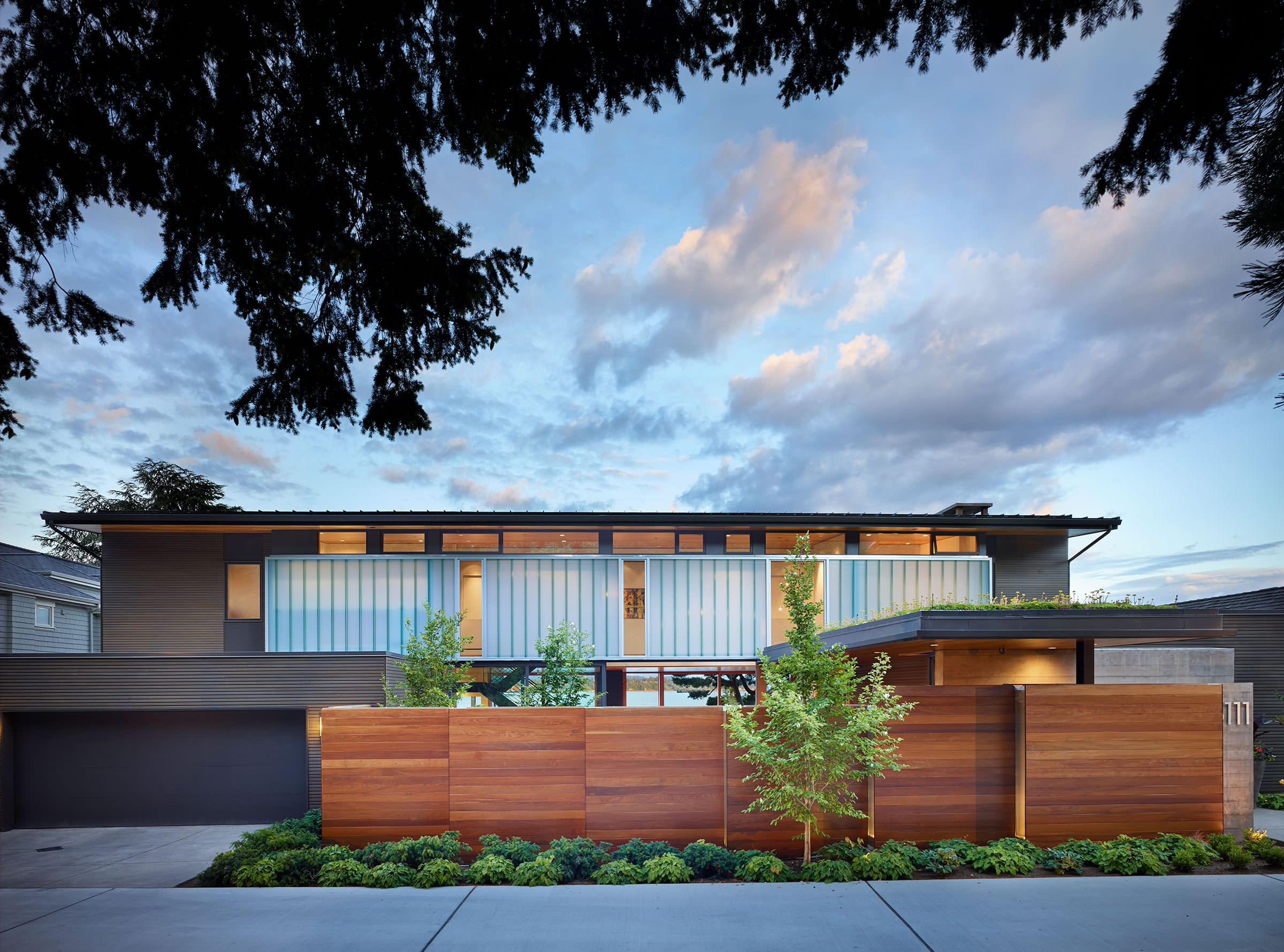
Legal Fence Height Between Neighbours NSW
For side and rear boundaries, the standard legal fence height between neighbours NSW is 1.8 metres (1800mm).
Key Exceptions to the Standard Height Rule
While 1.2m is the baseline, several common scenarios require different rules. Ignoring these exceptions is where most homeowners run into trouble.
1. The Corner Block Exception (Sight Line Safety)
If your property is on a corner, traffic safety becomes the primary concern. Special “sight line” rules apply to prevent fences from blocking drivers’ views of each other.
The Rule: Typically, the fence within 9 metres of the property corner (measured along both street frontages) must be reduced to a maximum of 900mm (0.9m).
Our Pro Tip: The remaining sections of your front fence can usually still be built to the standard 1.2m. A clear site plan is vital for this calculation.
2. Heritage & Character Conservation Areas
If your home is in a designated heritage conservation area or is itself a listed heritage item, local council rules almost always override the state standards.
What to Expect: Your local council’s Development Control Plan (DCP) may strictly dictate not only height but also the materials, colours, style (e.g., picket, sandstone, wrought iron), and transparency of your fence to preserve historical character
Essential Step: Always check with your local council first before making any plans in these areas.
Using a Complying Development Certificate (CDC) for Certainty
If you want total peace of mind without a full Development Application, ask a private certifier about a CDC for front fence NSW. A CDC is a fast, straightforward approval pathway – typically issued within 20 days – provided your fence meets all state and local exempt development fencing standards. This includes verified height, setback, and material rules. Once you have a CDC, the council cannot retrospectively challenge your fence, even if neighbour complaints arise. For standard front boundary fence materials like timber, Colorbond steel, or aluminium slats, this is often the smartest route.
3. Local Council Development Control Plans (DCPs)
This is the most critical factor for any project. Your local council’s DCP provides the specific, legally enforceable rules for your suburb and can introduce variations. A rule that applies in Blacktown may differ in the Northern Beaches.
Sydney Council Fence Height Rules: A Local Comparison
Because council rules vary so significantly, here is a snapshot of key considerations across major Sydney councils.
| Council Area | Standard Front Fence Max Height | Key Local Considerations & Notes |
|---|---|---|
| Northern Beaches Council | 1.2m | Strict emphasis on preserving “streetscape character.” Materials like timber, stone, and brick are often encouraged over solid concrete in some zones. |
| City of Sydney | 1.2m | Heritage overlays are extremely common. Proposals often require detailed documentation to show the fence complements the existing building’s era and style. |
| Inner West Council | 1.2m | Similar strong heritage focus. “Front fence style” is a major part of the streetscape policy. Semi-transparent designs (e.g., slatted timber) are frequently encouraged. |
| Hills Shire Council | 1.2m | Has specific rules for “front building lines” and fencing in new release areas. Regulations can be very subdivision-specific. |
| Parramatta City Council | 1.2m | Detailed controls in the Parramatta Development Control Plan (DCP) 2023. Some character areas mandate particular materials or prohibit solid masonry walls. |
| Blacktown City Council | 1.2m | Clear guidelines for corner blocks and sight lines. Provides useful standard drawings for compliant fence construction. |
⚠️ Important: This table is a general guide. You must consult your council’s current online DCP or contact them directly for your property’s specific rules, as overlays and precinct plans can create unique requirements.
The overarching fence height regulations NSW are designed to be consistent but allow for local variation. Key factors that influence the rules include:
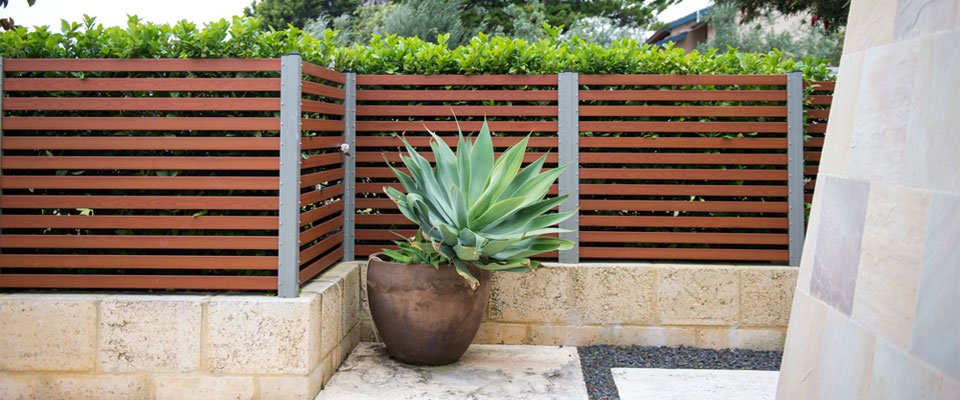
What About Side and Rear Fences?
For context, it’s helpful to know that regulations are often more lenient for boundaries that aren’t facing the street:
Side Boundary Fences (not facing the street): Can often be built up to 1.8 metres under complying development rules.
Rear Boundary Fences: Similarly, they can usually be built to 1.8 metres.
NSW government planning portal
This is why you’ll see much taller fences in backyards, providing more privacy for pools and outdoor living areas.
A fence design that is perfectly legal in one Sydney council area might be prohibited in the next.
Beyond Height: Other Critical Fencing Regulations
A compliant fence isn’t just about height. These factors are equally important for approval and neighbourly relations.
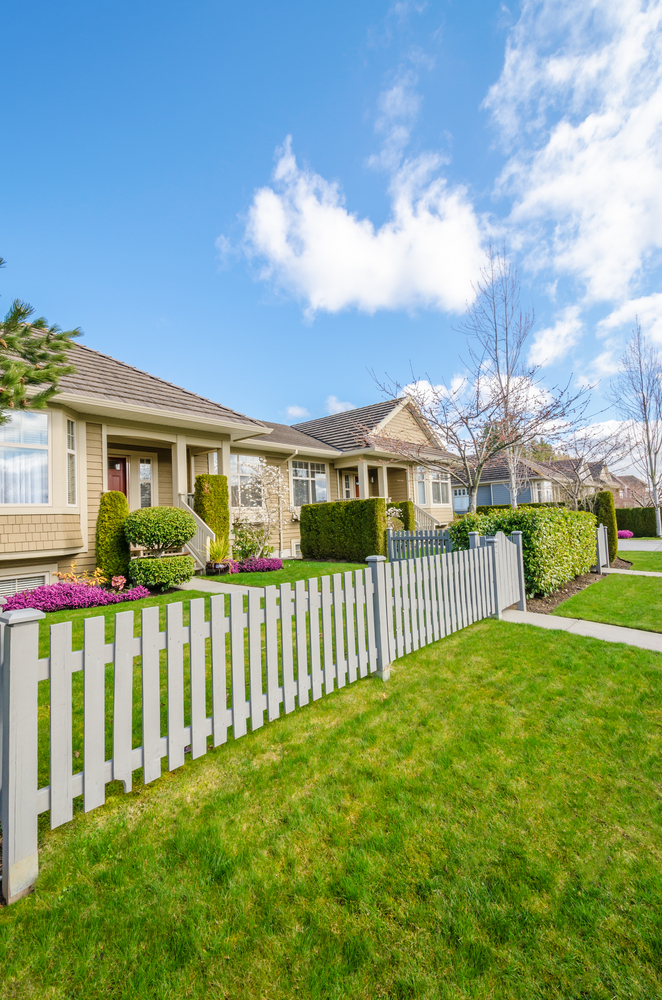
Fence Materials and Design: A solid 1.2m brick wall has a very different visual impact than a 1.2m transparent picket fence. Many councils encourage “semi-transparent” designs (e.g., timber slats, tubular metal, palisade) to maintain light and a friendly streetscape.
The Neighbour Factor: For a front fence, you are generally not legally required to get your neighbour’s agreement (unlike side/rear boundaries). However, it is always good practice to inform them of your plans. A courteous conversation can prevent future disputes and maintain a positive relationship.
Side and Rear Boundary Fences: For context, NSW regulations are more lenient for non-street boundaries. Side and rear boundary fences can typically be built up to 1.8 metres under complying development rules, offering more privacy for backyards and pools.
Measuring on a Slope: The “Highest Natural Ground” Rule
One of the most misunderstood parts of fence height measurement NSW is how it applies to sloping front yards. The regulation is clear: height is measured from the highest natural ground level directly beside the fence, not from the lowest point. On a steep block, this means part of your fence may be legally capped at 1.2m, while the lower side appears much taller. To avoid an over‑height front fence, you have two options: terrace the fence in stepped sections, or install a sloping block fence with a compliant stepped top rail.
A retaining wall fence combination (where a low retaining wall sits behind the fence line) must also be measured separately – stacking them can accidentally exceed height limits.
NSW government planning portal
Driveway Visibility & Pedestrian Sight Lines
Beyond corner blocks, any front fence located near your driveway fence setback must preserve unobstructed views for reversing cars and approaching pedestrians. Many councils require a transparent section (e.g., louvres, pickets, or glass panels) within 1.5m of the driveway edge. This is especially critical if your property sits near a school, bus stop, or roundabout. Ignoring pedestrian safety fencing rules can lead to an on‑the‑spot order to modify your new fence within 28 days.
Your Step-by-Step Action Plan
To ensure your fencing project is smooth and compliant, follow this process:
Start with the 1.2m Baseline: Use this as your initial reference point.
Identify Your Property’s Exceptions: Is it a corner block? In a heritage area?
Research Your Local Council DCP: Search for “[Your Council Name] Development Control Plan fencing.” Find the specific chapter (often titled “Landscaping” or “General Controls”).
Sketch a Plan: Draw your proposed fence location, length, and height, noting any slope or corner conditions.
Seek Pre-Approval Advice (If Unsure): If the rules seem complex, you can:
Contact Your Council: Call or email their planning department with your address and a brief description of your proposal.
Consult a Private Certifier: They can provide formal advice and issue a Complying Development Certificate (CDC) if your fence meets all standards.
Build with Confidence: Once you have clarity, proceed with your build, keeping all plans and approvals on file.
When in doubt, the safest path is to contact your local council or consult with a private certifier. A small amount of time and money spent on due diligence can save you from a major headache down the track.
🔍 Check Your Front Fence Compliance
NSW Rules 2026 — Simple Yes/No Flowchart
The Bottom Line on Front Yard Fence Height in NSW
To ensure your front fence regulations NSW project goes smoothly, always start with the 1.2m rule in mind. Then, ask yourself:
Is my property on a corner?
Is it in a heritage or character conservation area?
What does my local council’s specific DCP say?
NSW government planning portal
Planning a fence upgrade in Sydney? The team at Sydney Landscaping is familiar with local council regulations and can help you design and build a beautiful, compliant front fence that enhances your home. Contact us for a knowledgeable consultation!
Frequently Asked Questions (FAQ) – Front Yard Fence Height in NSW
Ready for a Beautiful, Compliant Fence in Sydney?
Navigating fence height rules can be complex, but you don’t have to do it alone. The team at Sydney Landscaping has over a decade of experience building fences that meet both council regulations and our clients’ visions for style and privacy.
Contact us today for a knowledgeable consultation. We can help you:
- Decipher your local council’s specific rules.
- Design a fence that complements your home’s architecture.
- Handle the entire process from planning to construction with our licensed and insured team.