
In this comprehensive 2026 Budget Guide, you’ll discover the most inexpensive retaining wall ideas for Australian homes, learn how to choose the right materials, understand the costs involved, and explore practical ways to save money without compromising on quality.
Retaining walls are one of the smartest investments Australian homeowners can make to improve both the functionality and appearance of their outdoor spaces. Whether you’re dealing with a sloped backyard, preventing soil erosion, or creating beautiful garden terraces, a retaining wall offers practical and aesthetic benefits. The good news is that building one doesn’t have to cost a fortune.
You don’t need a huge budget to stop erosion, flatten a slope, or create garden beds. For example, our guide to DIY retaining wall installation shows step-by-step how to save on labour. This guide covers five smart, low-cost materials, from timber sleepers to gabion baskets, plus the exact 2026 prices you can expect in Sydney and across Australia.
The key to keeping costs down is choosing the right system for your DIY skill level. Treated pine sleepers remain the cheapest upfront option, while interlocking concrete blocks offer an easy, mortar-free stack. For something truly unique, recycled gabion fill or dry-stack stone can cost next to nothing if you source locally. But remember: even the most inexpensive retaining wall ideas will fail without proper drainage and base prep. Skip those steps, and you’ll pay more for repairs later.
Retaining wall costs in NSW 202
If you’re planning a landscaping project this year, this guide will help you make informed decisions while staying within your budget.
What Is the Cheapest Retaining Wall Material?
For many low retaining walls, treated pine sleepers are among the most economical materials. They are relatively lightweight, easy to transport, straightforward to install, and widely available throughout Australia.
Concrete masonry blocks can also provide excellent value, particularly where longevity and low maintenance are important. Although the initial material cost may be higher than basic timber, concrete products can offer a longer service life and greater resistance to moisture and termites.
Other affordable options include:
- Treated pine sleepers
- Recycled timber sleepers where suitable
- Concrete besser blocks
- Interlocking retaining wall blocks
- Corrugated steel retaining systems
- Gabion baskets filled with suitable rock
- Natural stone sourced locally
- Reclaimed bricks and masonry
- Timber posts combined with sleepers
The cheapest option is not always the lowest-cost solution over the entire life of the wall. We should consider installation, drainage, maintenance, replacement, and expected lifespan rather than focusing exclusively on the purchase price.
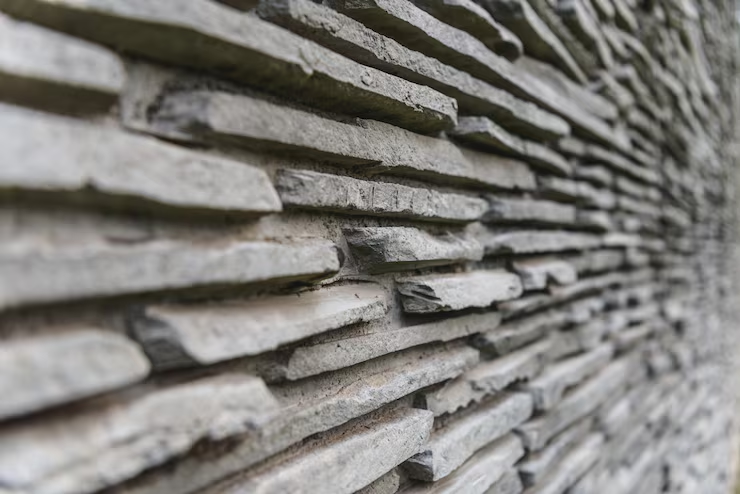
Why Retaining Walls Are Essential for Australian Properties
Australia’s diverse landscapes mean many homes are built on sloping blocks. Without proper support, soil movement can lead to erosion, drainage issues, and unstable foundations.
A well-designed retaining wall can:
- Prevent soil erosion
- Improve drainage
- Create usable outdoor space
- Increase property value
- Enhance landscape aesthetics
- Protect foundations and gardens
The key is selecting a cost-effective solution suited to your property’s needs.
You may also like this >>Besser block vs concrete retaining wall
How Much Does a Retaining Wall Cost in Australia in 2026?
Retaining wall prices vary depending on the material, height, accessibility, labour, and engineering requirements.
The overall cost of a retaining wall in Sydney in 2026 depends on a combination of engineering, material, and site-specific variables rather than a fixed rate per metre. Wall height is a primary cost driver, as structures exceeding the standard unengineered threshold typically require a structural engineer’s certification, council approval, and compliance with AS 4678 (Earth-Retaining Structures) to satisfy local government requirements.
Material selection, whether timber sleepers, reinforced concrete, segmental block, sandstone, or gabion systems, affects not only supply costs but also installation complexity, footing depth, and long-term maintenance liability. Sydney’s variable geology, including reactive clay soils in western suburbs and sandstone bedrock across much of the eastern and northern regions, often necessitates additional excavation, rock breaking, or specialised footing design, which can materially increase labour and equipment costs.
Adequate subsurface drainage, including ag-pipe installation and weep holes, is essential to prevent hydrostatic pressure build-up and is a non-negotiable component of compliant wall design. Site accessibility for machinery, proximity to boundaries or existing structures, and the need for shoring during excavation are additional factors that licensed contractors will assess during quoting. Given the technical variables involved, property owners are advised to obtain a site-specific assessment and itemised quote from a licensed retaining wall builder or structural engineer operating in the Sydney metropolitan area to ensure compliance with NSW building codes and long-term structural integrity.
While natural stone offers premium aesthetics, several affordable alternatives provide excellent durability at a fraction of the cost.
1. Treated Pine Sleepers: Australia’s Budget Favourite. One of the most popular inexpensive retaining wall ideas is using treated pine sleepers.
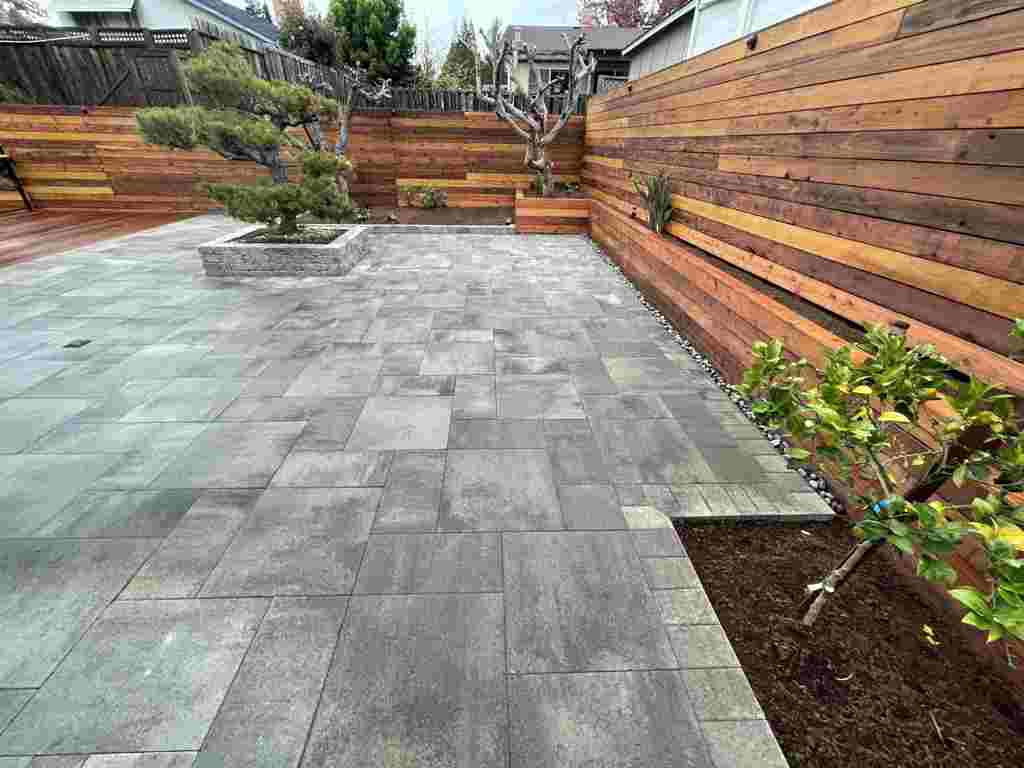
Benefits
- Low initial cost
- Easy installation
- Readily available across Australia
- Attractive natural appearance
- Great for gardens
Best For
- Garden edging
- Raised garden beds
- Small retaining walls under one metre
Considerations
Although treated pine is economical, it generally has a shorter lifespan than concrete sleepers. Regular maintenance helps extend its durability.
2. Concrete Sleepers Offer Long-Term Value
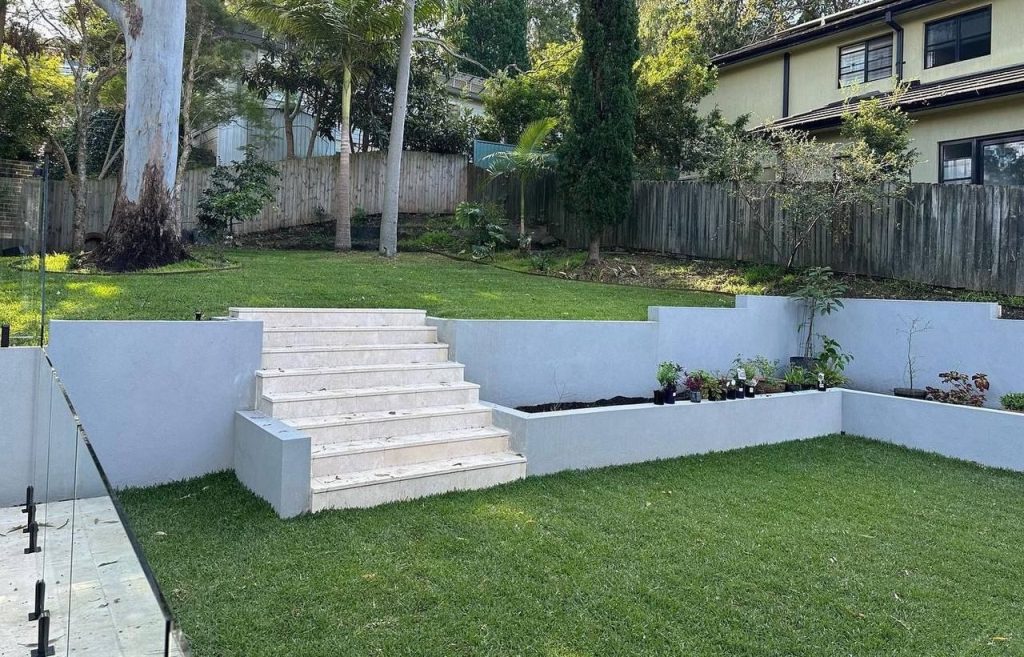
Although the upfront investment is higher, concrete sleepers often prove cheaper over the long run due to their exceptional lifespan.
You may also like this >> Best material for retaining wall
Advantages include:
- Minimal maintenance
- Resistant to termites
- Fire resistant
- Weather resistant
- Modern appearance
- Long service life
Many Australian homeowners now choose decorative concrete sleepers that mimic timber or natural stone while remaining budget-friendly over decades.
3. Gabion Walls: Stylish and Affordable

Gabion retaining walls use wire cages filled with rocks.
Their popularity continues to grow throughout Australia because they combine:
- Modern appearance
- Excellent drainage
- Strong structural performance
- Lower labour costs
- Eco-friendly construction
If you already have access to local rock or recycled stone, gabion walls become even more affordable.
4. Recycled Timber Sleepers
Using reclaimed timber is an environmentally friendly way to reduce costs.
Benefits include:
- Lower material costs
- Rustic appearance
- Sustainable landscaping
- Unique character
However, inspect reclaimed timber carefully to ensure it remains structurally sound.
5. Dry Stack Concrete Blocks

Dry stack retaining walls are among the easiest DIY-friendly options.
Since many systems interlock without mortar, homeowners can reduce labour costs significantly.
Ideal uses include:
- Garden terraces
- Raised flower beds
- Small retaining walls
Many Australian hardware stores sell modular systems specifically designed for homeowners.
6. Timber Log Retaining Walls

Timber logs provide a natural bushland aesthetic while remaining affordable.
Advantages include:
- Fast installation
- Natural appearance
- Lower material costs
- Excellent for curved walls
Pressure-treated logs perform better in Australia’s varying climates.
7. Railway Sleepers (Recycled)

Old railway sleepers have long been popular for landscaping.
Pros:
- Rustic appearance
- High strength
- Affordable when sourced locally
Be aware that some older railway sleepers may contain creosote treatments, making them unsuitable for vegetable gardens or children’s play areas.
8. Besser Block Retaining Walls
Concrete masonry blocks remain one of Australia’s most durable retaining wall options.
Benefits include:
- Exceptional strength
- Long lifespan
- Can be rendered or painted
- Suitable for higher walls
Although installation costs are higher, the reduced maintenance often offsets the investment.
9. Natural Rock Retaining Walls Using Local Stone
If local stone is readily available, natural rock walls can become surprisingly affordable.
Advantages include:
- Timeless beauty
- Excellent drainage
- Minimal maintenance
- Long-lasting durability
Using locally sourced stone significantly reduces transportation expenses.
10. Terraced Garden Walls
Instead of building one tall retaining wall, many Australian landscapers recommend constructing multiple shorter terraces.
Benefits include:
- Lower engineering requirements
- Reduced material costs
- Easier drainage
- Increased planting space
- Attractive landscape design
Terracing often creates a more visually appealing outdoor environment while reducing construction complexity.
DIY vs Professional Installation
Many homeowners wonder whether building their retaining wall themselves will save money.
DIY Advantages
- Lower labour costs
- Flexible schedule
- Personal satisfaction
- Suitable for small walls
Professional Advantages
- Correct drainage installation
- Proper engineering
- Better structural integrity
- Compliance with local regulations
- Warranty protection
For walls exceeding one metre or those supporting significant loads, professional installation is generally recommended.
Choosing the Right Material for Your Budget
Consider these factors before selecting materials:
Initial Cost
Timber generally costs less upfront than concrete or stone.
Lifespan
Concrete sleepers often last several decades with little maintenance.
Maintenance
Timber requires periodic inspection and treatment, while concrete and stone need very little upkeep.
Appearance
Choose a style that complements your home’s architecture and landscaping.
Climate
Australia’s diverse climates influence material performance. Coastal areas require corrosion-resistant materials, while bushfire-prone regions benefit from non-combustible options.
Ways to Reduce Retaining Wall Costs
Keeping costs under control doesn’t mean sacrificing quality.
Smart money-saving strategies include:
Build During Off-Peak Seasons
Some contractors offer better pricing during quieter months.
Source Local Materials
Reducing transport costs can significantly lower your total budget.
Reuse Existing Materials
Recycled sleepers, bricks, or rocks can create attractive retaining walls at minimal expense.
Simplify the Design
Straight walls are generally cheaper than curved or complex layouts.
Compare Multiple Quotes
Obtaining several quotes helps ensure competitive pricing and highlights differences in materials, workmanship, and warranties.
Complete Site Preparation Yourself
Removing vegetation or clearing the work area before contractors arrive can reduce labour costs.
Drainage Is Critical
Even the most affordable retaining wall can fail without proper drainage.
Essential drainage components include:
- Gravel backfill
- Agricultural drainage pipe
- Geotextile fabric
- Adequate weep holes where required
Good drainage reduces hydrostatic pressure and significantly extends the wall’s lifespan.
Australian Council Regulations
Building regulations vary between states and local councils.
Depending on the wall’s height, location, and purpose, you may require:
- Building approval
- Engineering certification
- Property boundary compliance
- Stormwater management considerations
Always check local requirements before beginning construction to avoid unexpected delays or penalties.
Landscaping Ideas to Complement Your Retaining Wall
A retaining wall can become a standout landscape feature rather than simply a structural necessity.
Popular additions include:
Native Australian plants for low-maintenance greenery.
- Decorative gravel or river stones to improve drainage and visual appeal.
- Integrated garden beds for flowers, herbs, or shrubs.
- Outdoor lighting to enhance safety and ambience.
- Built-in seating for entertaining or relaxing.
- Timber decking or paved pathways that connect different garden levels.
These enhancements can elevate the overall design while adding value to your property.
Common Mistakes to Avoid
Avoiding these common pitfalls can save you money and future repairs:
- Ignoring drainage requirements.
- Choosing materials based only on upfront cost.
- Building without checking council regulations.
- Underestimating excavation needs.
- Failing to account for soil type and slope.
- Skipping professional advice for larger or load-bearing walls.
A little planning goes a long way toward ensuring your retaining wall remains safe, durable, and attractive for years to come.
Cost Calculator (inexpensive cheap retaining wall ideas)
💰 Retaining Wall Cost Estimator 2026
Estimate your wall cost in seconds
Frequently Asked Questions (FAQ)
Conclusion
Choosing the right inexpensive retaining wall ideas for your Australian home doesn’t mean compromising on quality or style. By understanding the strengths, costs, and maintenance requirements of different materials, you can create a retaining wall that fits both your landscape and your budget.
From treated pine sleepers and recycled timber to gabion walls, dry stack blocks, and concrete sleepers, there are affordable solutions for almost every property. Pair your chosen material with proper drainage, thoughtful design, and compliance with local regulations, and you’ll enjoy a durable retaining wall that enhances your outdoor space for years to come.
Whether you’re transforming a sloping backyard into functional terraces or simply protecting your garden from erosion, investing in a well-planned retaining wall is a practical upgrade that delivers lasting value. With careful planning and smart budgeting, 2026 is an excellent time to create an attractive, stable, and cost-effective landscape that complements your Australian home.