
The best materials for retaining walls in Sydney depend on factors like soil type, wall height, budget, and design preferences. When it comes to shaping your Sydney property, a retaining wall is more than just a structural necessity; it’s a major landscape feature. Choosing the right materials isn’t just about holding back soil; it’s about creating a beautiful, durable, and valuable addition to your home that can withstand our unique coastal climate.
The Sydney Landscaper’s Guide to the Best Materials for Retaining Walls
At Sydney Landscaping, we know that the best choice depends on your site’s specific needs, your budget, and your desired aesthetic. To help you navigate your options, we’ve put together this expert guide to the best materials for retaining walls in Sydney.
1. Timber Sleepers: The Classic Aussie Look
Best for: A rustic, natural aesthetic that blends seamlessly with bushland settings.
-
Appeal: Timber sleepers in Sydney (especially hardwood like Spotted Gum or Treated Pine) offer a warm, organic look that feels timelessly Australian.
-
Durability: Hardwood sleepers are incredibly robust and resistant to rot and termites. Treated pine is a more affordable option but requires proper treatment for ground contact.
-
Considerations: Timber requires more maintenance than stone or concrete. It may need re-staining or sealing over time and has a shorter lifespan than masonry options.
-
Our Sydney Tip: For a truly authentic look, use recycled railway sleepers. Just ensure they are safe (free of old creosote) and properly installed.
2. Concrete Blocks (Besser Blocks) & Masonry Units: The Modern Workhorse
Best for: High walls, modern architectural designs, and superior strength.
-
Appeal: Don’t think of the plain grey blocks of the past! Modern concrete blocks come in a vast array of colours, textures, and interlocking styles that mimic natural stone or rendered finishes.
-
Durability: Unbeatable. Concrete is strong, non-porous, and impervious to pests and fire. It’s built to last a lifetime.
-
Considerations: Generally requires a professional installer for the foundation and construction. The initial cost can be higher than timber, but its longevity offers great value.
-
Our Sydney Tip: Interlocking concrete blocks are a fantastic DIY-friendly option for shorter walls, as they don’t always require mortar.
Ideal for: Retaining walls over 1 metre tall where strength is critical.
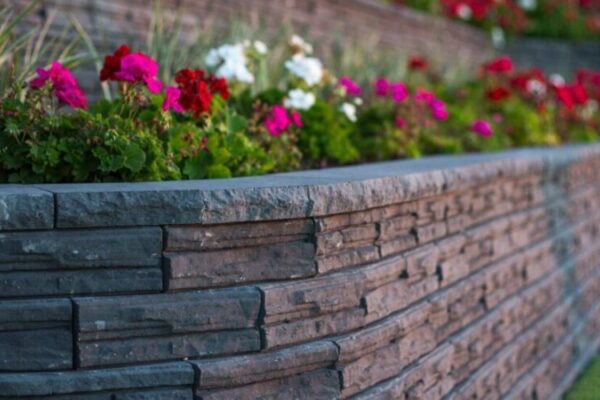
3. Natural Stone: Unmatched Beauty and Character
Best for: Creating a stunning, high-end feature that looks like it’s always been part of the landscape.
-
Appeal: From the rugged texture of local sandstone to sleek granite or bluestone, a natural stone retaining wall offers a unique, luxurious look that no other material can replicate.
-
Durability: Exceptionally long-lasting and strong. A well-built stone wall can last for centuries.
-
Considerations: This is typically the most expensive option due to the cost of materials and the high skill level required for installation. It can be built with mortar (for a solid wall) or as a dry-stack wall (which allows for drainage).
-
Our Sydney Tip: Using Sydney sandstone connects your property to the region’s heritage and provides a beautiful, warm colour that complements our native flora.

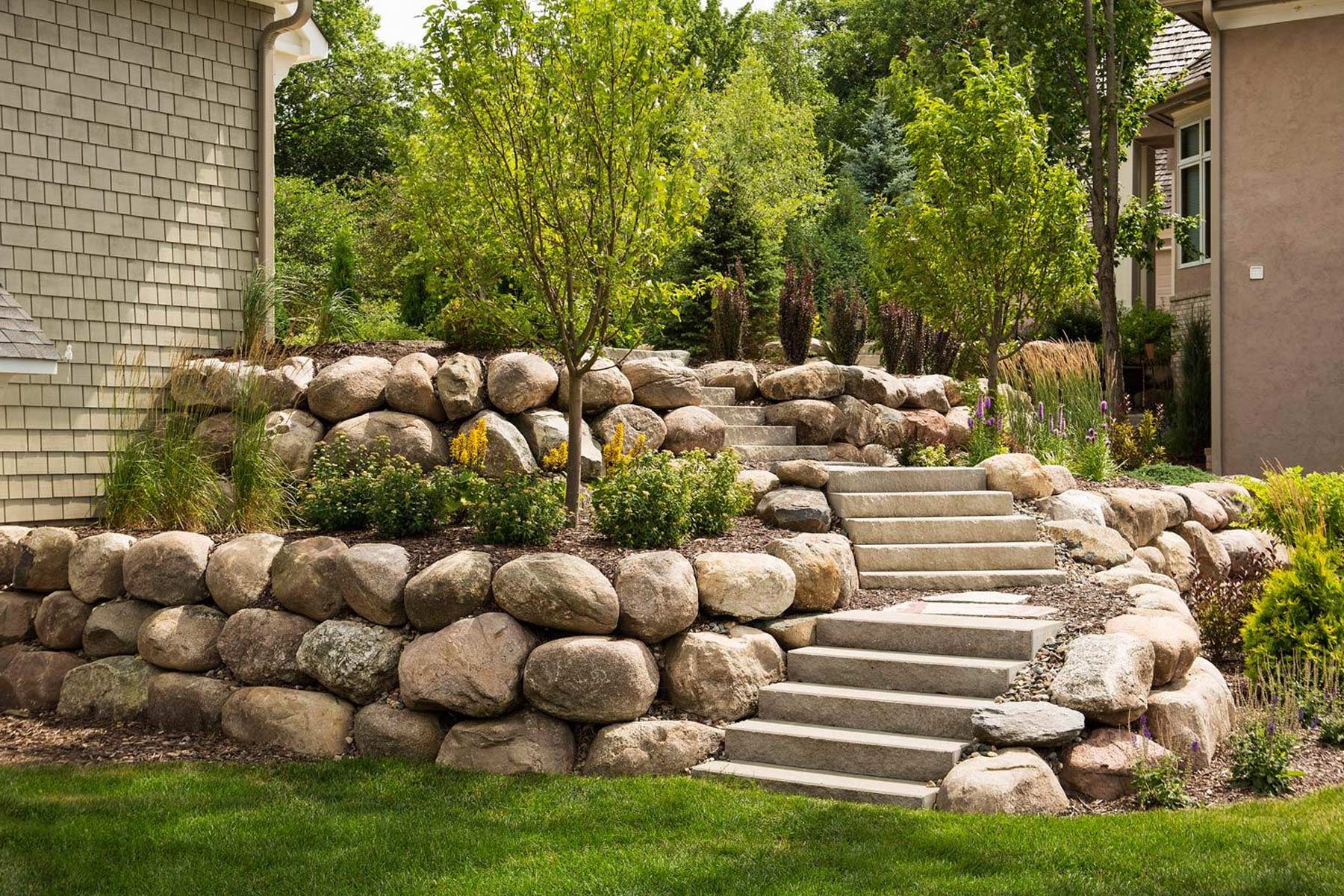
4. Retaining Wall Rocks (Gabion Baskets): The Industrial Chic Option
Best for: A contemporary, textured look and excellent drainage.
-
Appeal: Gabion walls are wire mesh cages filled with stones, rocks, or even recycled materials like broken tiles or bricks. They create a visually interesting, permeable barrier that is both structural and sculptural.
-
Durability: The galvanised steel baskets are highly durable, and the stone fill is, of course, maintenance-free. They are exceptionally good at handling water pressure from behind the wall.
-
Considerations: The choice of fill material is crucial to the final look. Requires careful construction to ensure the baskets are securely anchored.
-
Our Sydney Tip: Use a local, colourful crushed rock like blue metal or basalt to fill your gabions for a truly unique and modern feature.
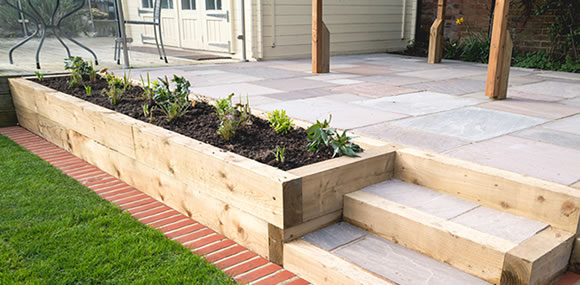
5. Brick: The Traditional and Timeless Choice
Best for: Matching existing home architecture and creating a formal, neat appearance.
-
Appeal: Brick retaining wall in Sydney offers a clean, classic look that works beautifully with traditional Sydney homes like Federation or Victorian styles.
-
Durability: When installed correctly with proper footings and drainage, brick is a very durable and long-lasting material.
-
Considerations: Brickwork is a skilled trade, making it less suitable for DIY. It requires a solid concrete foundation and can be more labour-intensive than some block systems.
The Foundation of It All: Proper Drainage
No matter which of these best materials for retaining walls in Sydney you choose, one factor is non-negotiable: drainage. Sydney’s heavy downpours mean that water pressure (hydrostatic pressure) is the number one cause of retaining wall failure. Every well-built wall must include:
-
Aggregate Backfill: A layer of crushed rock or gravel behind the wall.
-
Perforated Drainage Pipes: Installed at the base to channel water away.
-
Weep Holes: Outlets that allow water to escape from the face of the wall.
Ready to Build Your Sydney Retaining Wall?
Choosing the right material is the first step toward a successful project. The next is partnering with an experienced team that understands local soil conditions and council regulations.
Contact Sydney Landscaping today for a consultation! We’ll help you select the perfect material for your needs, budget, and style, ensuring your new retaining wall is not only functional but a beautiful legacy in your garden.
How to Choose the Best Materials for Retaining Walls in Sydney
Consider these factors when selecting materials:
✅ Wall Height – Taller walls need stronger materials like concrete or stone.
✅ Soil Type – Clay soils require better drainage solutions (e.g., gabion walls).
✅ Budget – Timber is cheaper; natural stone is premium.
✅ Aesthetics – Match your home’s style (modern, rustic, classic).
✅ Maintenance – Concrete and stone last longer than timber.
✅ Council Regulations – Some materials need engineering approval in Sydney.
Final Verdict: What’s the Best Material for Your Retaining Wall?
- Best Budget Option: Treated timber sleepers.
- Best for Durability: Concrete blocks or natural stone.
- Best for Modern Landscapes: Gabion walls or modular blocks.
- Best for High-End Homes: Sandstone or granite.
Choosing the best materials for retaining walls in Sydney ensures long-term stability and enhances your property’s value. If unsure, consult a professional retaining wall builder in Sydney for expert advice.
📞 Call Now: 1300003090 | 🌐 Visit: www.sydneylandscaping.au
Quick Comparison Table
Here’s a handy summary to help you compare at a glance.
| Material | Strength | Lifespan | Cost Level | DIY-Friendly? | Best Use |
|---|---|---|---|---|---|
| Sandstone | High | 50+ years | Medium to high | Low walls only | Feature and heritage walls |
| Concrete sleepers | Very high | 50+ years | Medium to high | No | Tall, heavily loaded walls |
| Treated timber | Low to medium | 10 to 25 years | Low | Yes | Low garden walls |
| Concrete or besser block | High | 50+ years | Medium | Segmental only | Medium-height walls |
| Gabions | Medium to high | 30+ years | Medium to high | Low walls only | Wet sites, modern gardens |
| Steel | Medium to high | 30+ years | High | Sometimes | Slim, contemporary walls |
Please treat lifespans and costs as rough guides. Actual results depend on site conditions, build quality and maintenance.
Council Rules and Engineering in NSW
Before you build, check the rules. In NSW, retaining wall requirements depend on height, location and site conditions. Low walls are often exempt from approval, but taller walls or those near boundaries, waterways or easements may need council consent or a complying development certificate. The NSW Planning Portal is a good starting point for current guidelines.
As a general rule, walls over roughly one metre usually need engineer-designed plans. Walls supporting a driveway, pool or neighbouring property almost always do. Local councils vary, so always confirm with yours first.
Also, call Dial Before You Dig before any excavation. It’s a free national service that shows where underground gas, power, water and telecommunication lines run. Hitting a service line is dangerous and costly, so never skip this step.
Finally, talk to your neighbours if the wall sits on or near a boundary. A friendly chat now can prevent disputes later.
Common Mistakes to Avoid
Even well-meaning DIYers trip up on retaining walls. Luckily, most mistakes are preventable:
- Skipping drainage. Water pressure is the top cause of wall failure.
- Using untreated timber. It rots fast in Sydney’s damp soil.
- Building too tall without engineering. Height multiplies risk.
- Weak footings. A wall is only as strong as its base.
- Ignoring the soil. Clay and sand behave very differently.
- Forgetting the lean. Walls should tilt slightly back into the slope for stability.
- Overlooking approvals. Unapproved walls can be costly to fix or remove.
Take your time with the planning. It’s far cheaper than a rebuild.