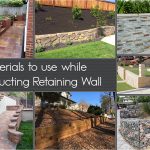
Looking for inexpensive retaining wall ideas that actually work for Australian backyards? You don’t need a huge budget to stop erosion, flatten a slope, or create garden beds. For example, our guide to DIY retaining wall installation shows step-by-step how to save on labour. This guide covers five smart, low-cost materials, from timber sleepers to gabion baskets, plus the exact 2026 prices you can expect in Sydney and across Australia.
The key to keeping costs down is choosing the right system for your DIY skill level. Treated pine sleepers remain the cheapest upfront option, while interlocking concrete blocks offer an easy, mortar-free stack. For something truly unique, recycled gabion fill or dry-stack stone can cost next to nothing if you source locally. But remember: even the most inexpensive retaining wall ideas will fail without proper drainage and base prep. Skip those steps, and you’ll pay more for repairs later.
Retaining wall costs in NSW 2026
2026 Pricing Table for Inexpensive Retaining Walls (Sydney & NSW)
The table below shows estimated material costs per square metre (m²) of wall face, based on DIY installation (no labour). Prices are current as of May 2026 and include GST.
| Material Option | 2026 Cost per m² (DIY) | Typical Lifespan | Best For |
|---|---|---|---|
| Treated Pine Sleepers (H4/H5) | 85–140 | 15–20 years | Low garden edges, rustic looks |
| Interlocking Concrete Blocks | 110–180 | 30+ years | First-time DIYers, straight walls |
| Dry-Stack Stone | 30–80* | 20+ years | Low walls (under 0.6m), cottage gardens |
| Gabion Baskets (wire + rock) | 120–220 | 40+ years | Modern/industrial, tall walls (1m+) |
| Recycled Bricks / Pavers | 40–100 | 25+ years | Eclectic, heritage-style projects |
*Dry-stack stone cost assumes you source fieldstone for free or very cheaply on your property. If buying decorative rock, add $50–100/m².
Important 2026 cost notes:
Treated pine prices have risen ~8% since 2024 due to transport costs, but it remains the most inexpensive retaining wall idea overall.
Gabion baskets are now cheaper than concrete blocks for walls over 1.2m tall because they use less structural steel.
Always add $30–50/m² for drainage gravel and perforated pipe – this is mandatory for walls over 60cm high.
This guide will explore a variety of Inexpensive Retaining Wall Ideas that are both functional and attractive, helping you reclaim your landscape for gardens, patios, and play areas.
5 Mistakes That Make Retaining Walls More Expensive
Even with the best inexpensive retaining wall ideas, small missteps can quickly turn a budget project into a money pit. Avoid these five common errors to keep your wall affordable, safe, and long‑lasting.
1. Skipping Drainage to Save a Few Dollars
It’s tempting to omit the perforated pipe and gravel backfill, especially for a low wall. But without proper drainage, water pressure builds up behind the wall, causing cracks, bulging, or total collapse. Fixing a failed wall costs many times more than installing drainage from the start. Always include at least 150mm of clean aggregate and a drain pipe for walls over two feet tall.
2. Ignoring Local Permit Rules (The 600mm Trap)
Many Sydney homeowners assume any small retaining wall is fine without a permit. While walls under 600mm often don’t need engineering, going even a few centimetres taller can trigger a full development application, with fees, soil tests, and possible redesigns. Measure twice. If you need more height, build two lower stepped walls instead of one tall wall. This simple trick avoids permit costs and keeps the project truly inexpensive.
3. Choosing the Wrong Timber Treatment
Recycled or cheap timber sleepers seem like a steal – until they rot or get eaten by termites within two years. Untreated or poorly treated timber in ground contact fails fast. Only use H4 or H5 treated pine for retaining walls. Paying slightly more upfront for the right treatment saves you from rebuilding the entire wall (and paying disposal fees) much sooner than you’d expect.
| Material | Cost/m² | Lifespan | DIY-friendly | Best for |
|---|---|---|---|---|
| Timber sleepers | $200–300 | 10–15 yrs | ✅ Yes | Small gardens |
| Concrete blocks | $300–500 | 30+ yrs | ❌ No | High walls |
| Gabion | $250–400 | 50+ yrs | ✅ Yes | Modern design |
| Stone | $400–700 | 50+ yrs | ❌ No | Premium look |
4. Over‑Ordering (Or Under‑Ordering) Materials
Buying too much block or gravel wastes money on materials you can’t return easily. But under‑ordering is worse; you’ll pay extra for rushed delivery fees and might not find matching materials from the same production batch, leading to a patchy look. Measure your wall’s length, height, and width carefully, then add 5–10% for cuts and waste. Ask your supplier to confirm the quantity before you pay.
5. Getting Fancy With the First Course
The bottom row of blocks or sleepers is the most important. If it’s not level and firmly compacted into the ground, every row above will lean, shift, or sink. Many DIYers skip proper base preparation to save time, only to end up tearing down a crooked wall and redoing the foundation. Take an extra hour to compact a 100‑150mm deep base of road base or compactible gravel and level the first course perfectly. That hour prevents hundreds of dollars in rework.
Cheap Concrete Retaining Wall Cost Guide 2026
No matter which budget‑friendly material you choose, a concrete retaining wall is only as good as what’s behind it. Proper drainage gravel and backfill material are essential for relieving water pressure that can otherwise crack or bow your wall over time.
Don’t Skip the Basics: Drainage & Slope Stabilisation
For walls over two feet tall, include a perforated drain pipe and at least 150mm of clean aggregate. This not only prevents costly failure but also improves soil erosion control on your sloped block. If you’re tackling a stepped retaining wall (multiple shorter walls instead of one tall one), good drainage becomes even more critical—and stepping is itself a smart way to reduce material costs and permit complexity.
Planning & Permits: Low‑Cost Guards Against Big Expenses
One of the smartest, inexpensive retaining wall ideas is to check your local permit requirements before you buy a single block. Many councils in Sydney allow walls under 600mm (approx. two feet) without engineering certification, while taller walls often require a development application. Sticking to that lower height threshold is a proven way to keep your project truly low‑cost.
Similarly, prefabricated DIY retaining wall kits can save hours of cutting and measuring, and they often include capstones and alignment guides. To maximise curb appeal without inflating your budget, finish the wall with a row of capstone finishing, which adds a polished, professional look that also protects the top course from moisture. For a double benefit, plant trailing groundcovers or small shrubs along the base to soften the hardscape and aid slope stabilisation over the long term.
Fencing contractors Sydney cost
Budget-Savvy & Beautiful: Our Top Inexpensive Retaining Wall Ideas Updated April 2026
Let’s be frank: landscaping projects can feel daunting for your wallet. But if you need a retaining wall to level a slope, create a garden bed, or prevent erosion, you don’t have to break the bank. With some smart material choices and a bit of DIY spirit, you can build a functional and attractive wall on a budget.
At Sydney Landscaping, we believe great outdoor spaces are for everyone. That’s why we’ve compiled our favourite inexpensive retaining wall ideas that deliver maximum impact without the premium price tag.
Cheapest retaining wall options Australia
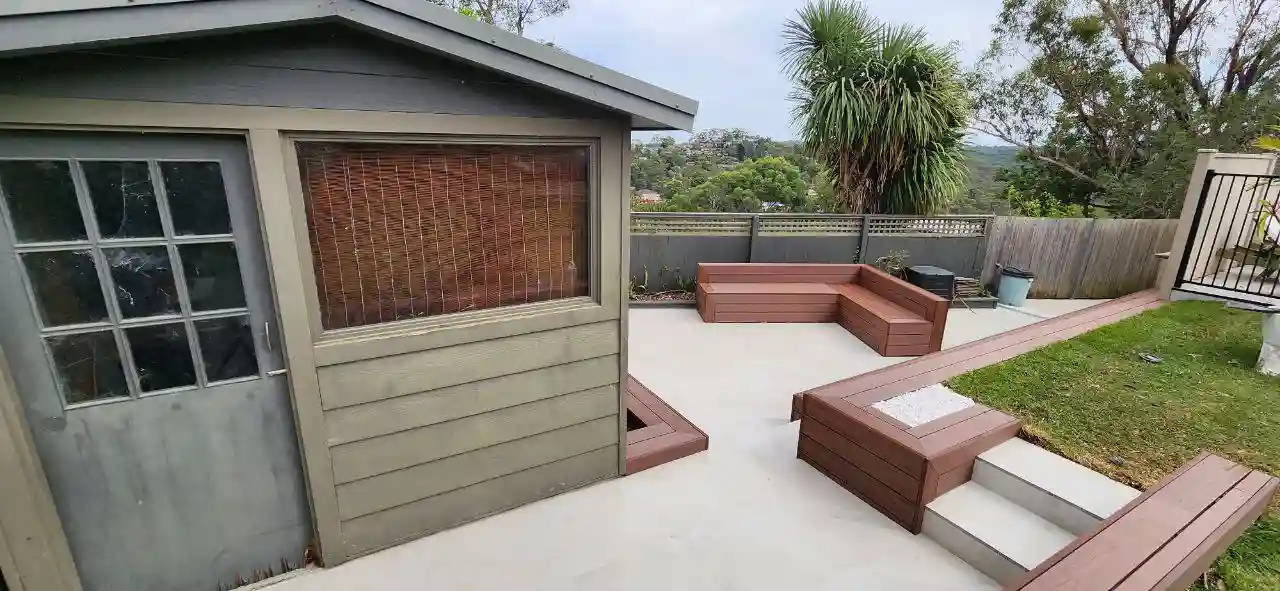
1. The Timeless Timber Sleeper Wall
A classic for a reason, timber sleepers are a go-to for affordable, rustic charm.
Why It’s Budget-Friendly: Treated pine sleepers are widely available and relatively low-cost. For an even cheaper (and more character-filled) option, seek out recycled railway sleepers from salvage yards.
The Look: Warm, natural, and perfectly suited to Australian gardens. It creates a clean, linear look that works for both modern and traditional settings.
Pro Tip: For a truly inexpensive retaining wall, opt for a “stacked” design secured with steel posts, rather than a more complex interlocking system. Just ensure any timber used is H4 or H5 treated for ground contact to resist rot and termites.
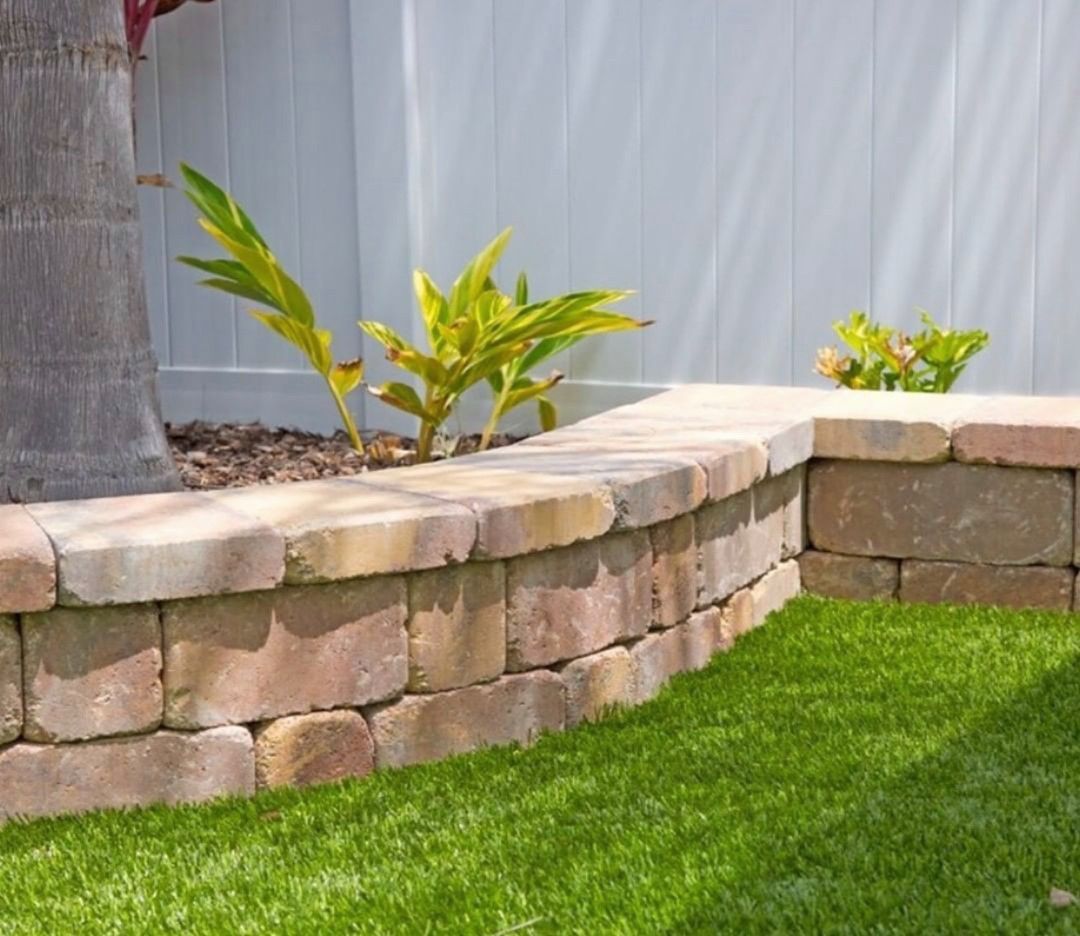
2. The Versatile Concrete Block System
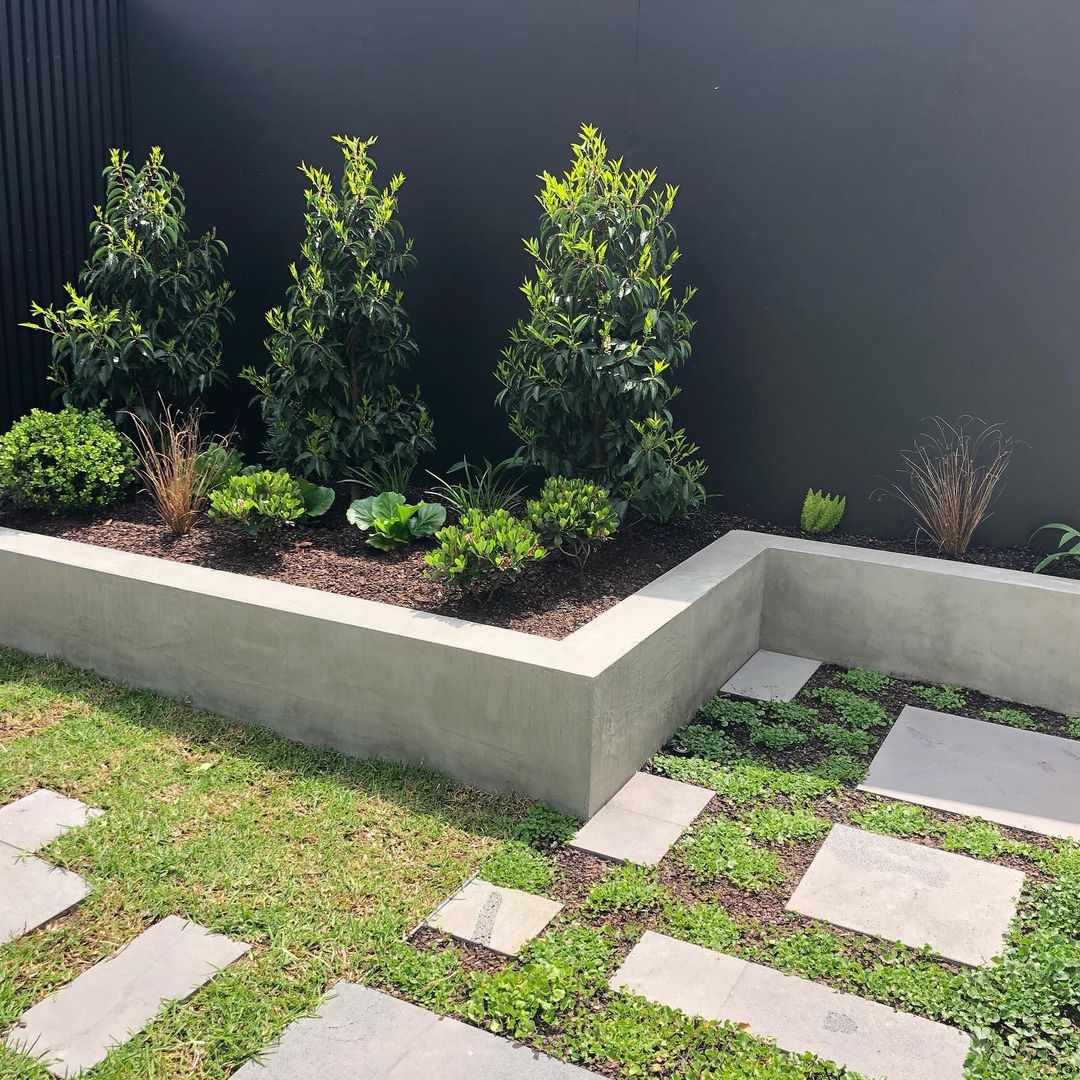
Forget the boring grey blocks of the past. Modern concrete blocks are a DIY dream.
Why It’s Budget-Friendly: Interlocking concrete blocks require no mortar, which saves significantly on labour and material costs. Their design makes them incredibly easy to stack correctly, reducing the chance of costly errors.
The Look: You can find blocks that mimic the texture of natural stone, ledgestone, or even sleek, modern renders. They offer a high-end look for a mid-range budget.
Pro Tip: This is one of the best inexpensive retaining wall ideas for the novice DIYer. The systems are engineered for simplicity and stability, making a professional-looking result very achievable.
3. The Rustic Dry-Stack Stone Wall
If you have a source of local stone, this method can be incredibly cost-effective and stunning.
Why It’s Budget-Friendly: The “dry-stack” method uses no mortar, eliminating that cost. If you have fieldstone on your property or can source it cheaply locally, the primary material cost can be very low.
The Look: An informal, old-world charm that looks like it’s been part of the landscape for generations. It’s perfect for cottage gardens and low garden edging.
Pro Tip: This is labour-intensive and best for shorter walls (under 2-3 feet). The key is selecting flat stones and carefully fitting them together like a puzzle for stability.
4. The Industrial-Chic Gabion Wall
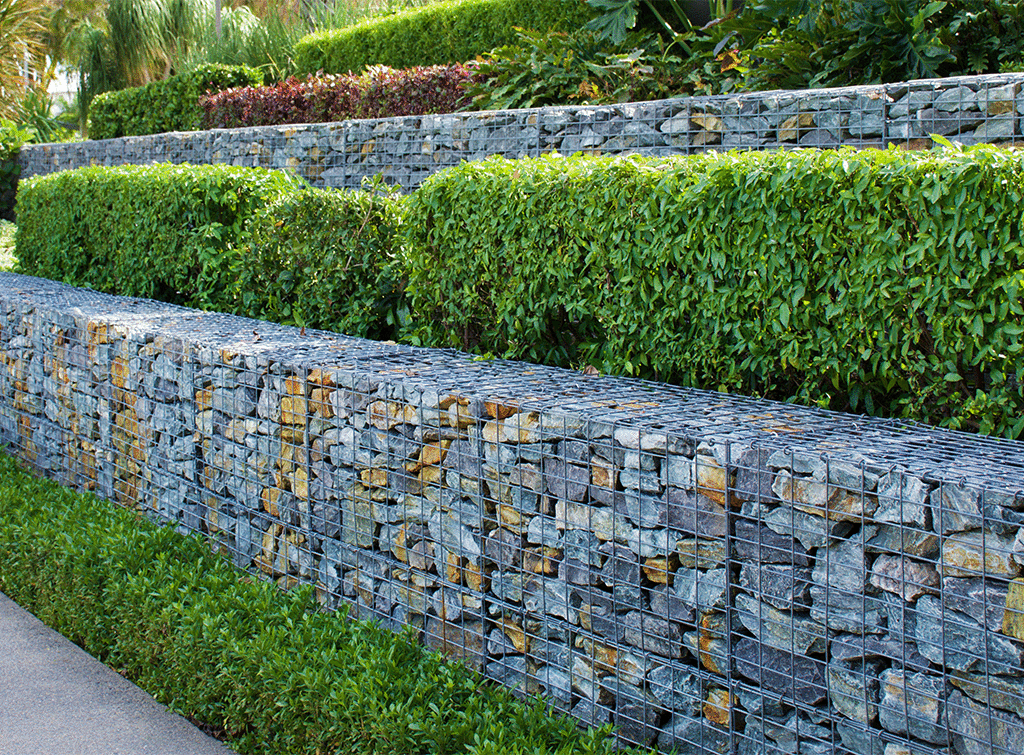
Gabion walls are wire cages filled with rock or other materials. They are structurally sound and surprisingly affordable.
Why It’s Budget-Friendly: The wire mesh cages are inexpensive. The real savings come from the fill material—you can use inexpensive quarry rock, recycled concrete, or even broken bricks.
The Look: Modern, textured, and industrial. It makes a bold design statement and works brilliantly in contemporary landscapes.
Pro Tip: For one of the most unique, inexpensive retaining wall ideas, use a mix of materials in your gabion baskets. Combining a base of cheap rubble with a veneer of more attractive stone on the visible face can save even more money.
Fencing contractors Sydney costs
5. The Creative Recycled Material Wall
Unleash your creativity and keep materials out of the landfill!
Why It’s Budget-Friendly: The core materials are often free or very cheap. Think discarded bricks, leftover concrete pavers, or even sturdy glass bottles.
The Look: Eclectic, personal, and full of character. A wall made of recycled red bricks has a lovely heritage feel, while a bottle wall creates a stunning stained-glass effect when the sun shines through.
Pro Tip: Consistency is key. While the materials are recycled, try to use items of a similar size and shape to make construction easier and the final product more stable.
Small retaining wall ideas
By choosing the right material for your skill level and budget, and following fundamental construction techniques, you can transform an unusable slope into a beautiful, functional asset. Your new retaining wall will not only solve a landscaping problem but also add significant character and value to your outdoor living space.
Cost Calculator (inexpensive cheap retaining wall ideas)
💰 Retaining Wall Cost Estimator 2026
Estimate your wall cost in seconds
Frequently Asked Questions (FAQ)
How to Build a Retaining Wall
So to get started, you will just need to drag-and-drop the How-to Schema block in the Gutenberg editor.
HowToStep
2. Choose your budget material
Select from inexpensive options: Timber sleeper (rustic, use recycled), Concrete block (DIY-friendly, no mortar), Dry-stack stone (cheapest if stone is local), Gabion (modern, fill with rubble), or Recycled material (eclectic, often free)